

Learning Center
for homeowners and architects.
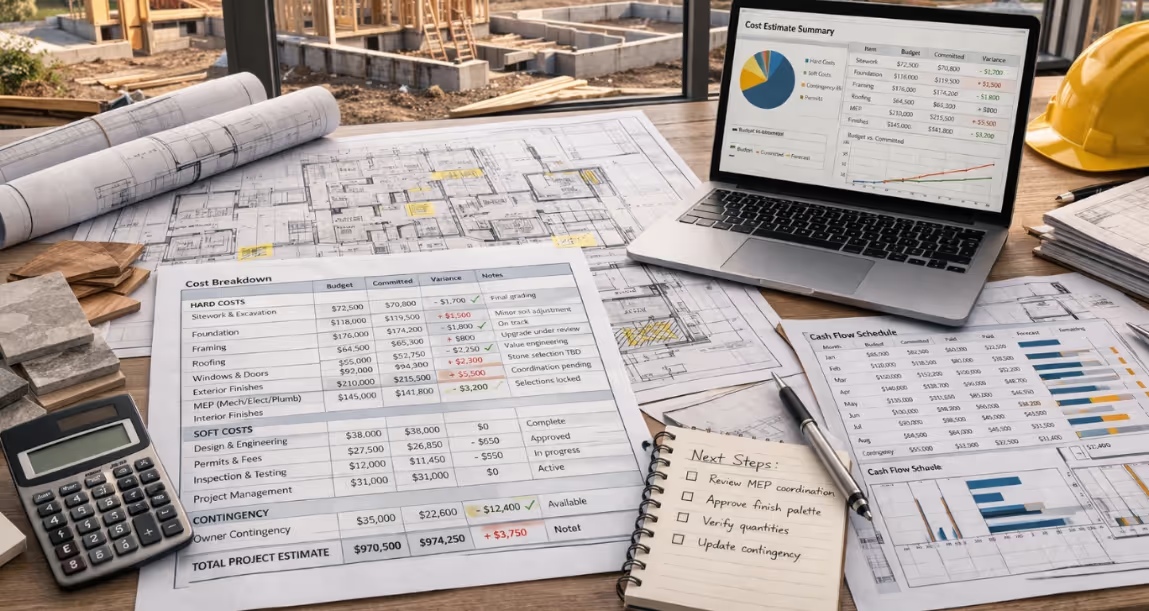
A Control Estimate is a detailed construction budget built from real subcontractor bids and defined scope. It replaces assumptions with actual pricing, creating a reliable foundation for managing cost throughout the project.
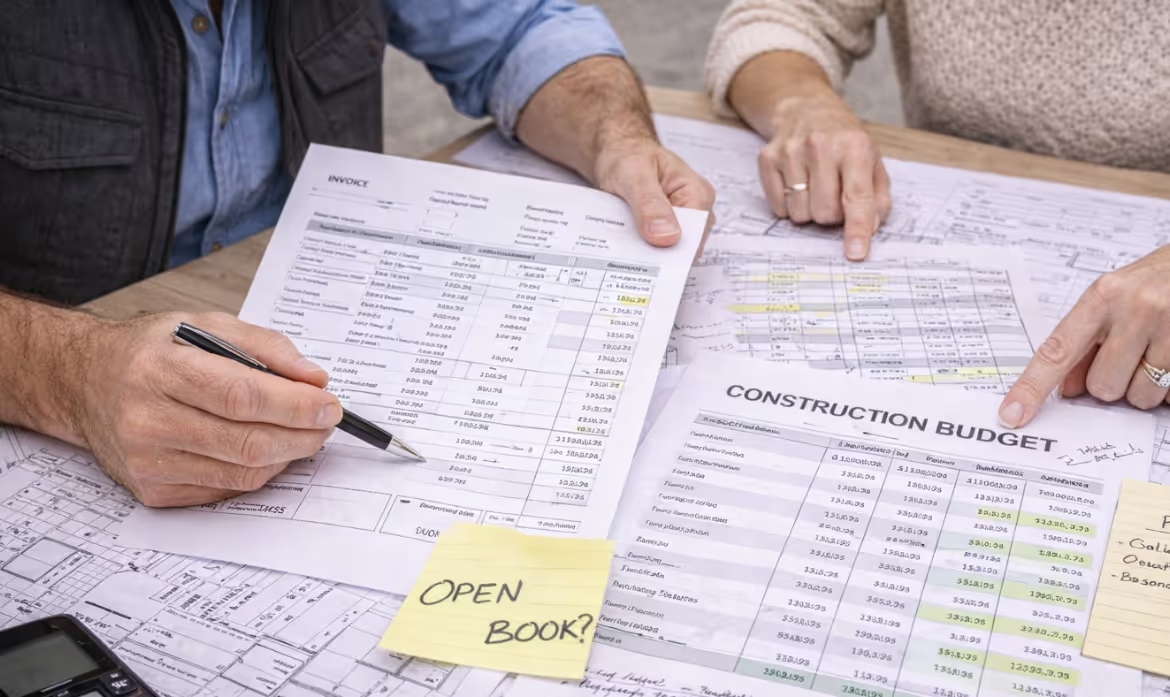
Initial price can be misleading in construction. Clarity and transparency provide a more accurate understanding of cost, helping homeowners make informed decisions and avoid unexpected budget increases.
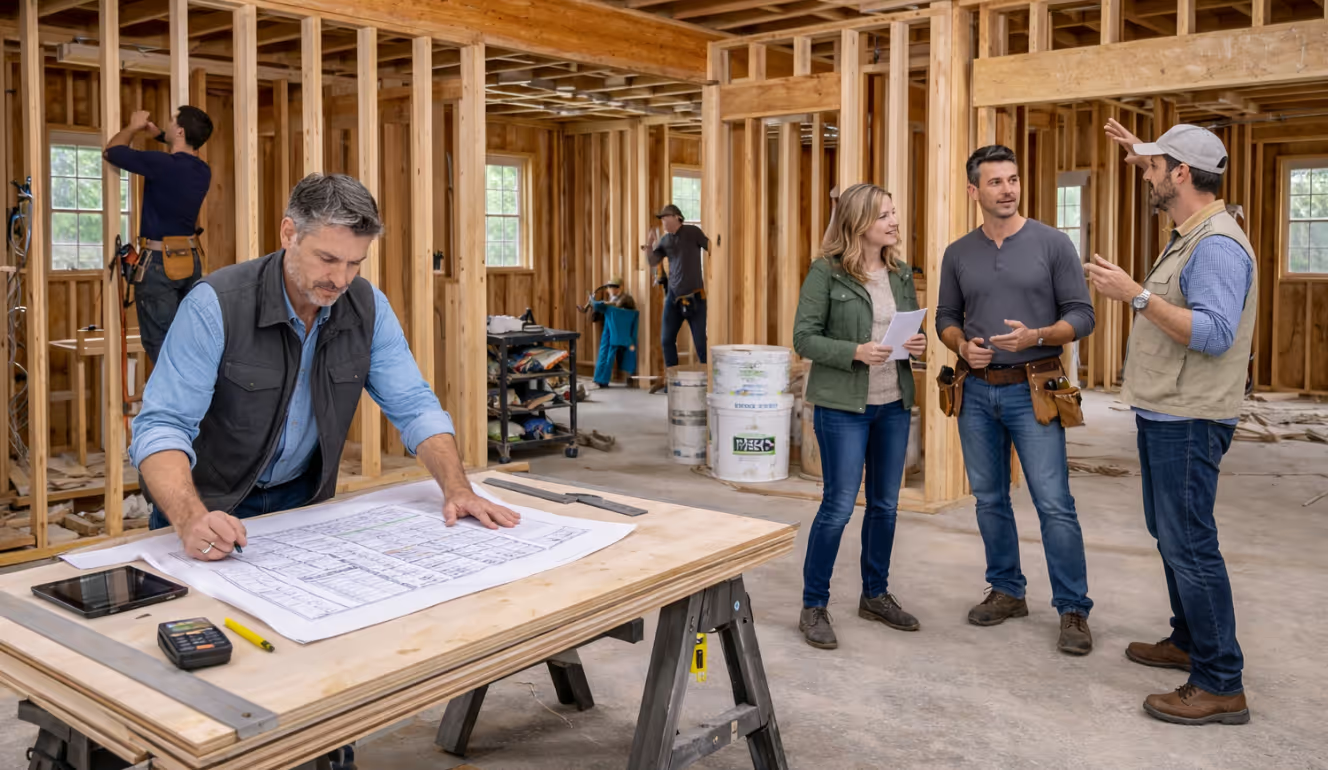
A well-managed construction project feels organized, transparent, and collaborative. The team communicates clearly, the site is orderly, and decisions are handled proactively, creating a more predictable and less stressful experience.

Choosing a builder starts with understanding your own priorities. The right fit depends on how you want to communicate, make decisions, and manage cost, not just the final price.
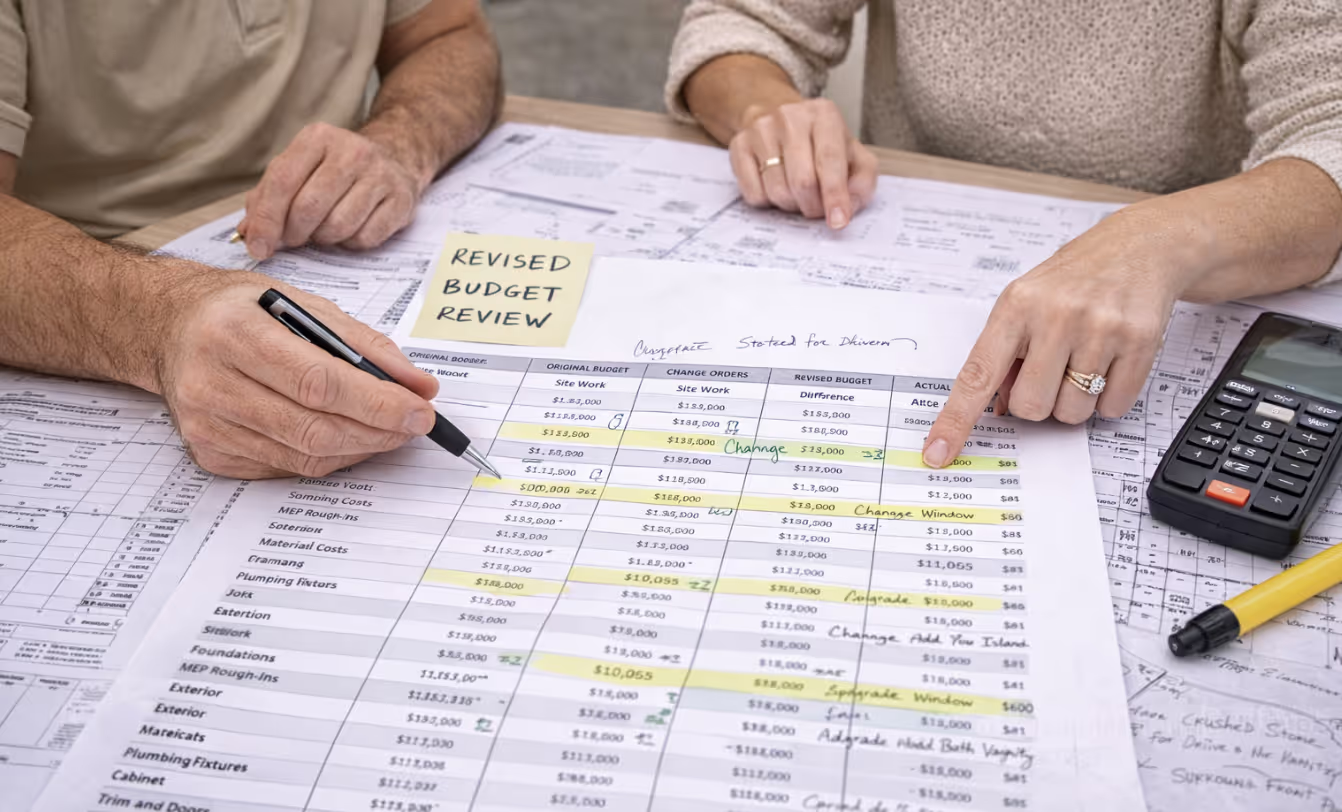
Complex construction projects require budget flexibility because costs evolve through hundreds of decisions. Small changes accumulate over time, making contingency planning essential for maintaining control.

Choosing between renovating and building new depends on tradeoffs between cost, flexibility, and complexity. New construction offers freedom but higher site costs, while renovations reuse existing infrastructure but introduce constraints and unknowns.
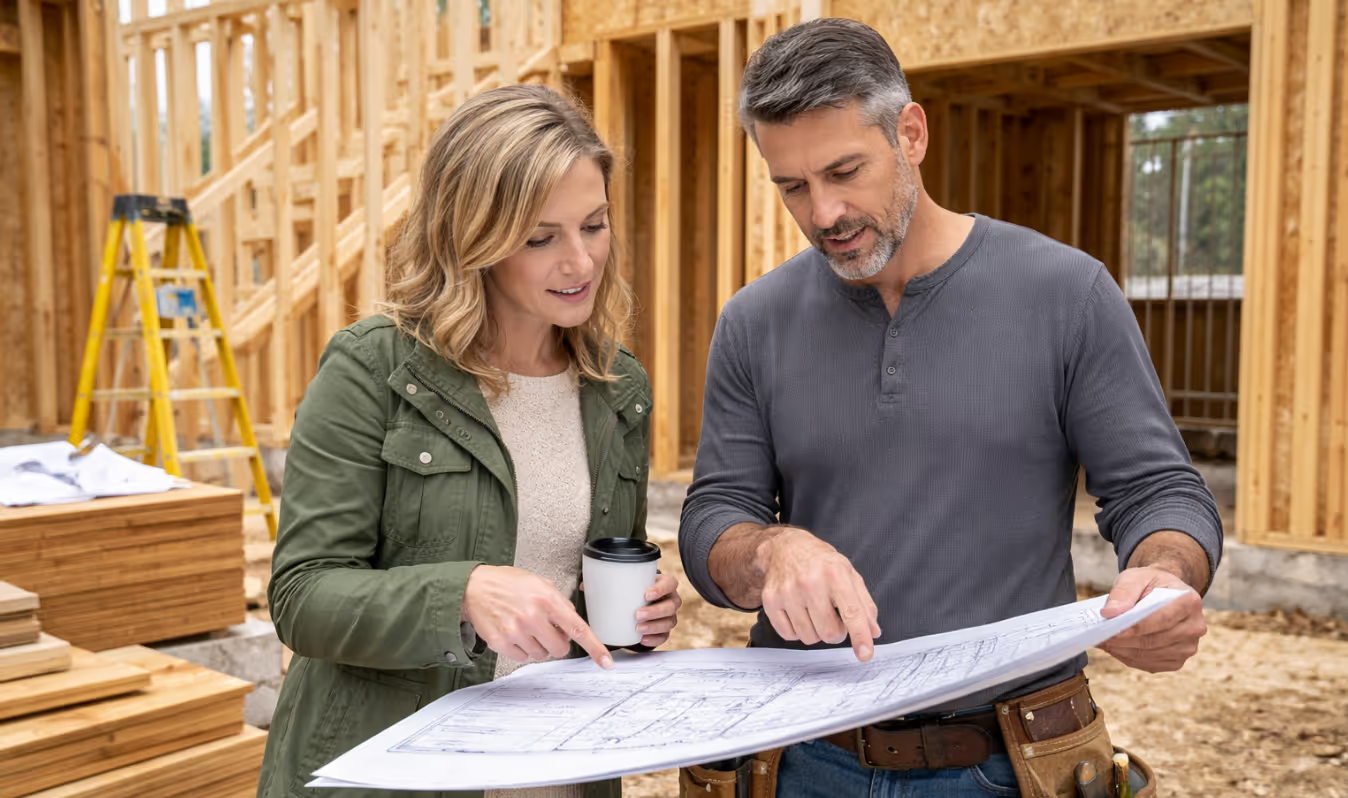
Homeowner involvement is a central part of a custom project. The more engaged you are, the more the final result reflects your priorities and the fewer surprises you will encounter during construction.
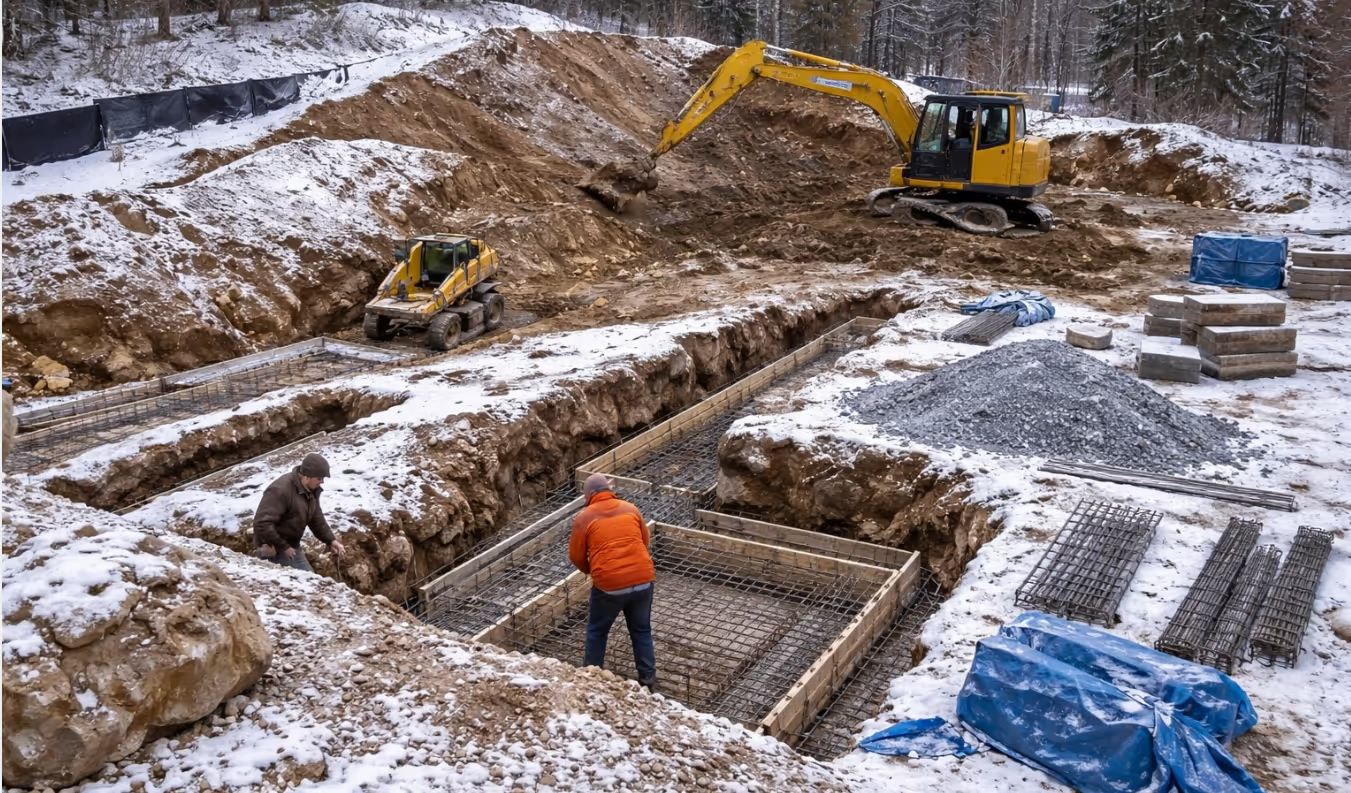
The right time to start a project is not determined by season. In the Philadelphia region, construction can begin year-round. The real factors are your readiness, your team, and how prepared your project is before starting.

Cost-plus construction works best for clients who value transparency, flexibility, and involvement. It is not ideal for those seeking fixed pricing or minimal engagement in the process.

Starting a custom home or renovation requires more than interest. It demands time, financial readiness, and the ability to make sustained decisions. This article helps you assess whether you are truly prepared for the process ahead.
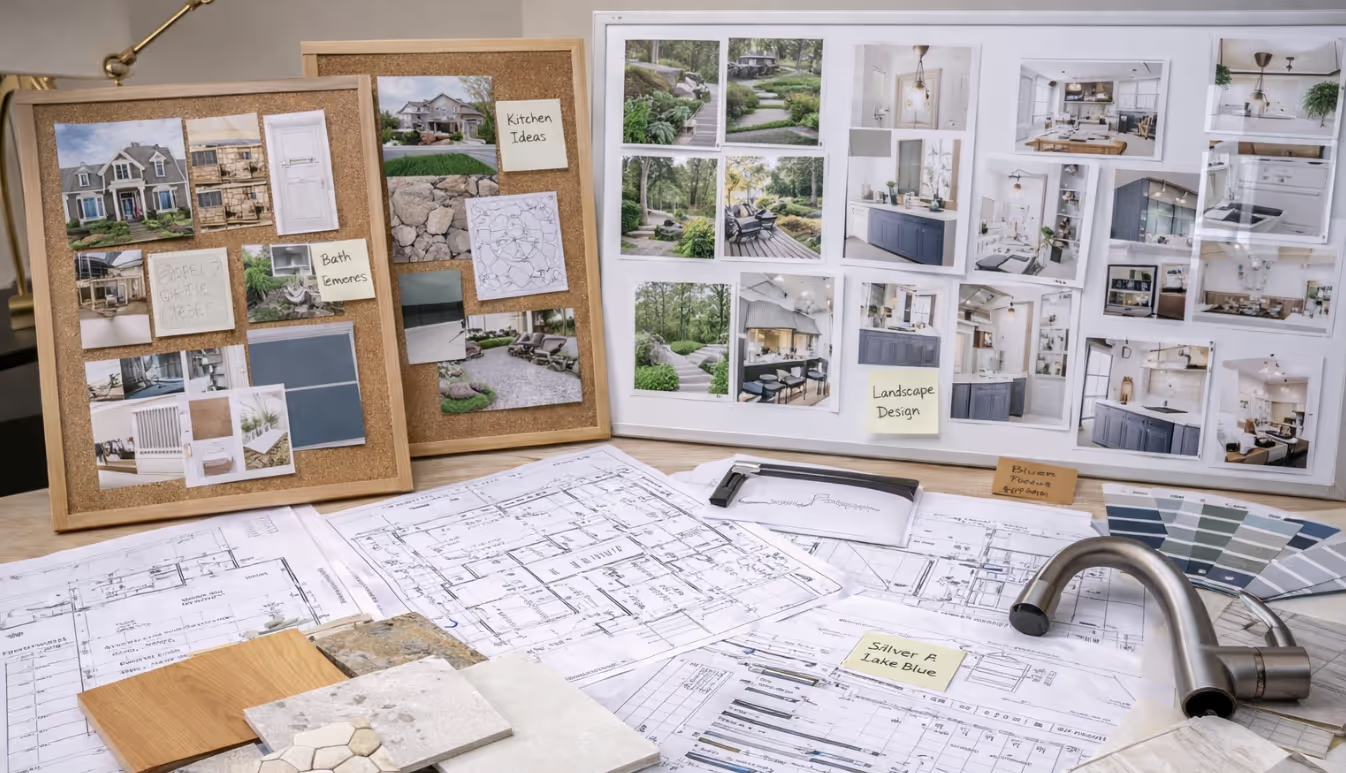
Early planning reduces construction risk by replacing assumptions with decisions. The more clearly a project is defined before building begins, the fewer surprises, delays, and cost changes occur during construction.
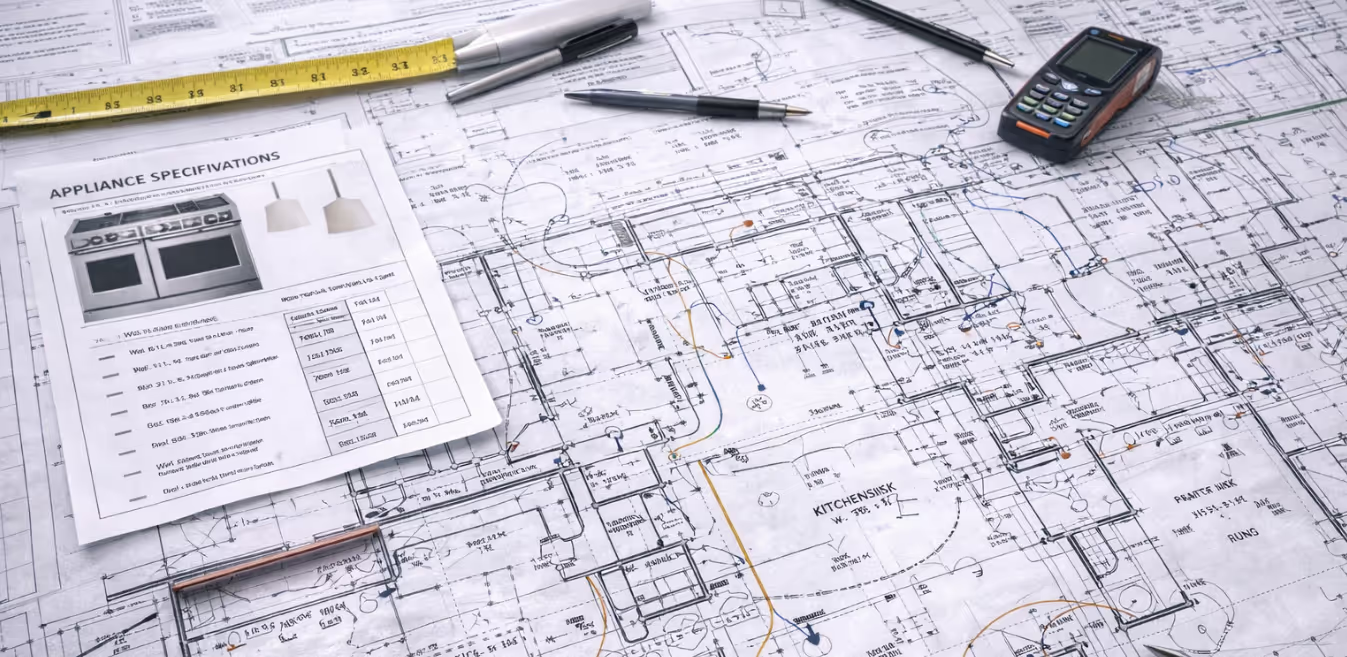
Construction delays are often caused by decisions made too late. Key selections and layout decisions must be finalized before construction so systems can be installed correctly and without rework.
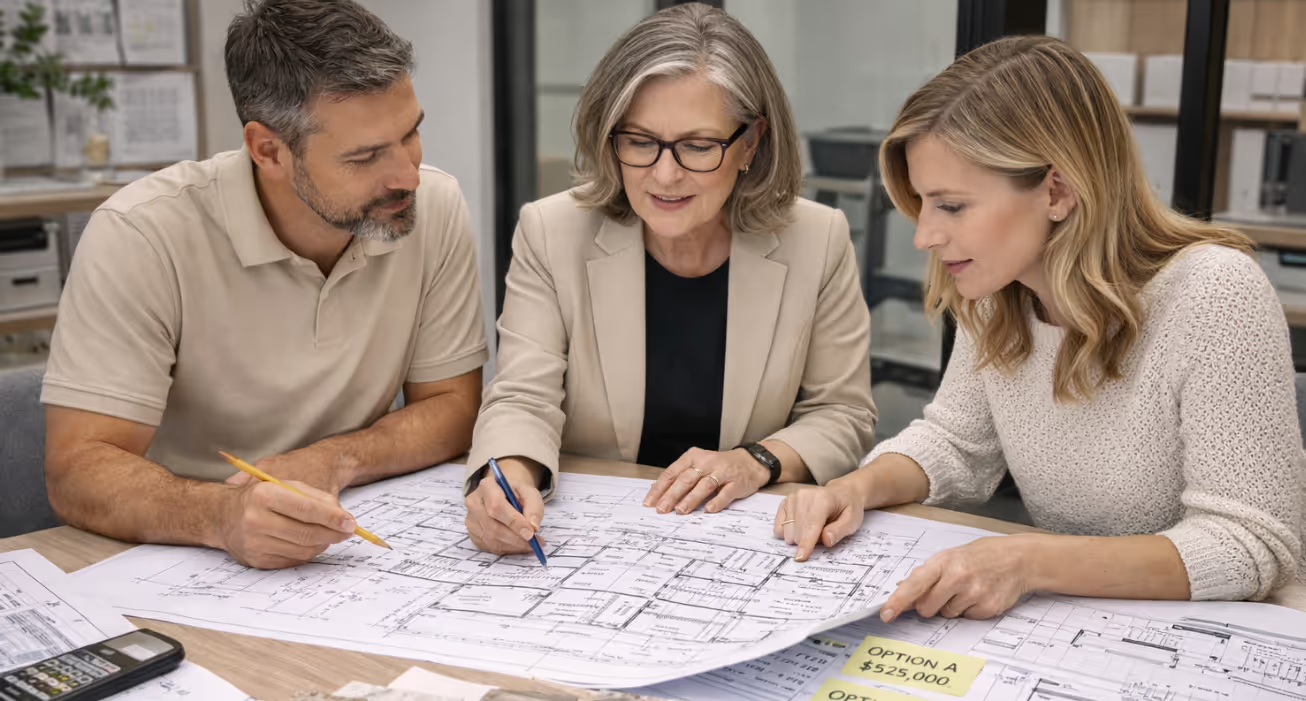
Preconstruction timelines vary widely depending on design complexity, site conditions, and decision-making speed. Most delays are driven by revisions, permitting, and incomplete information rather than the process itself.

Accurate construction pricing depends on how much of the project is clearly defined. The more decisions made before bidding, the more reliable and comparable the pricing will be across contractors.

Permit requirements vary widely across Main Line municipalities. Larger townships typically have more complex review processes, while smaller boroughs may be simpler but still require careful coordination and compliance.
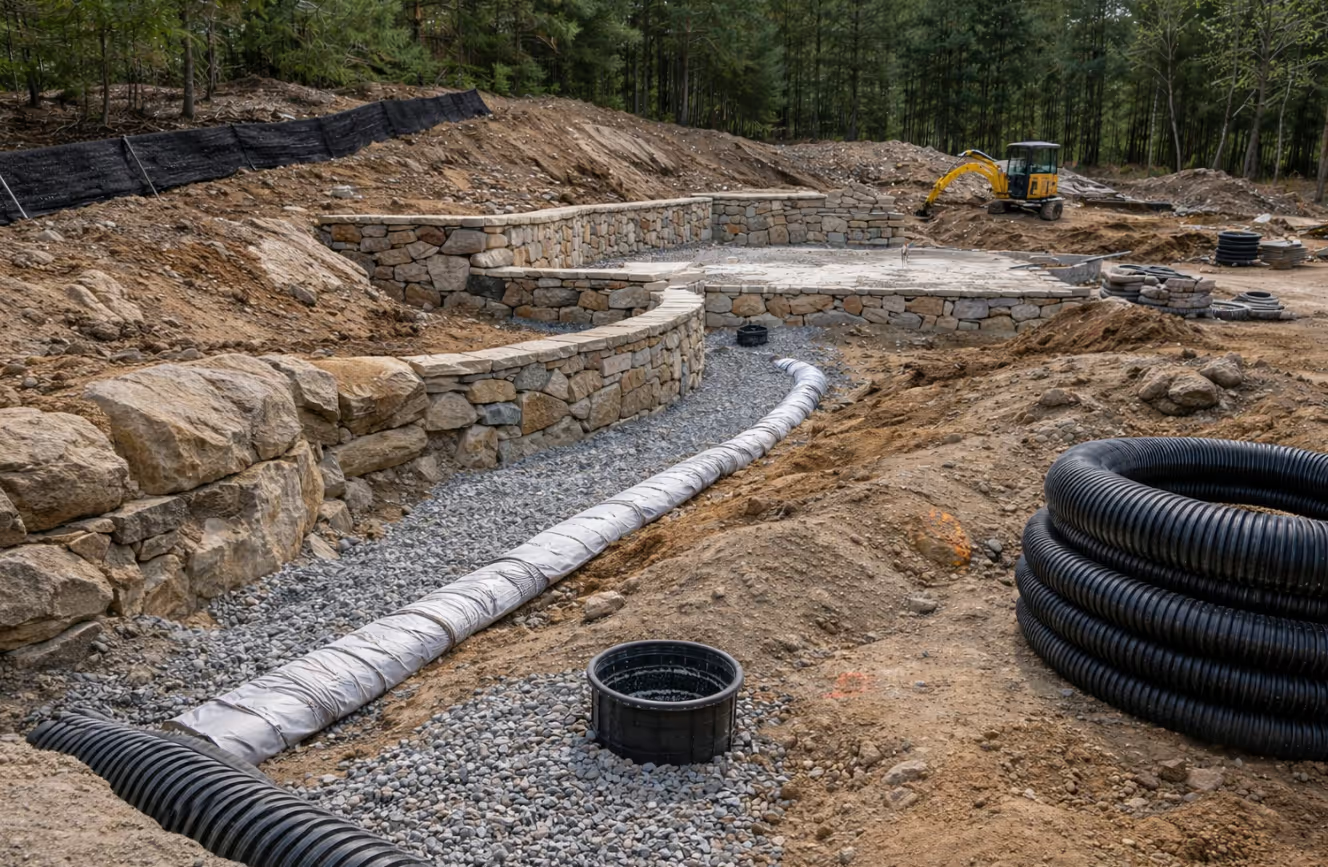
Residential construction site showing grading excavation and subsurface conditions

High-end residential projects require a coordinated team of consultants including engineers, designers, and specialists. Each contributes critical detail that improves design clarity, pricing accuracy, and construction execution.
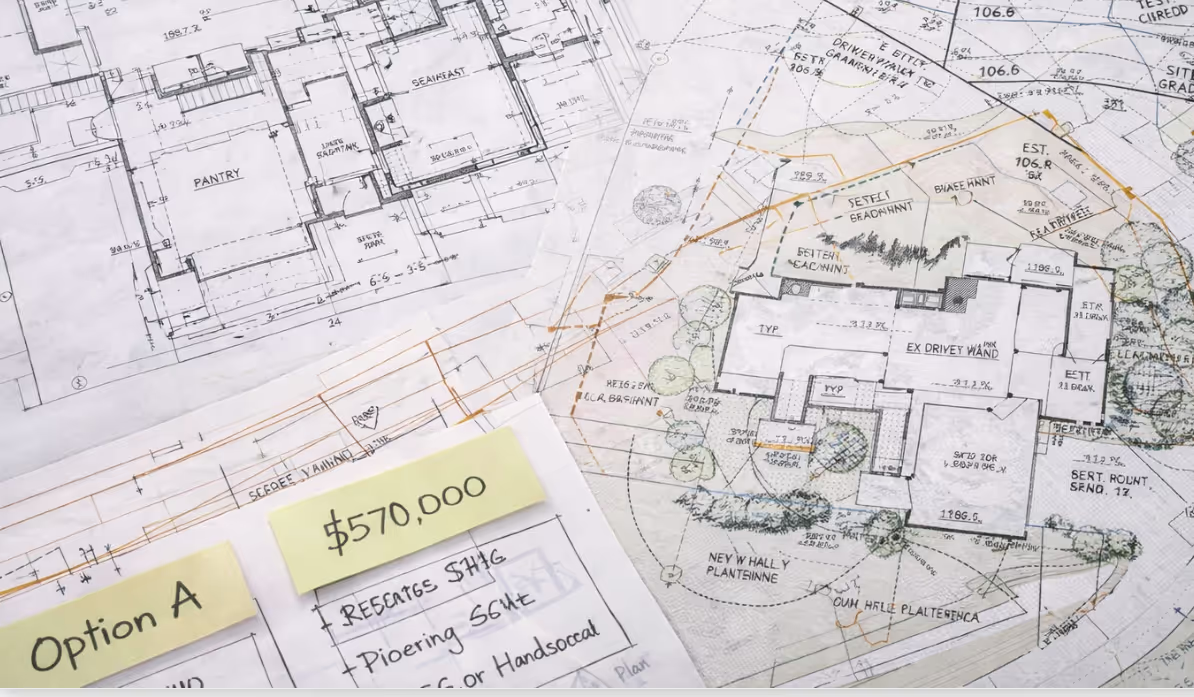
Construction drawings should be highly detailed before bidding to reduce assumptions, align scope, and produce accurate pricing. Incomplete drawings lead to allowances, inconsistencies, and cost uncertainty.

Preconstruction is the phase where scope, cost, and execution are defined before building begins. It reduces risk, improves accuracy, and sets the foundation for a controlled and predictable project.

A strong builder partner supports design intent, communicates clearly, and brings structure to cost and execution. Architects value builders who protect design while managing complexity and coordination.
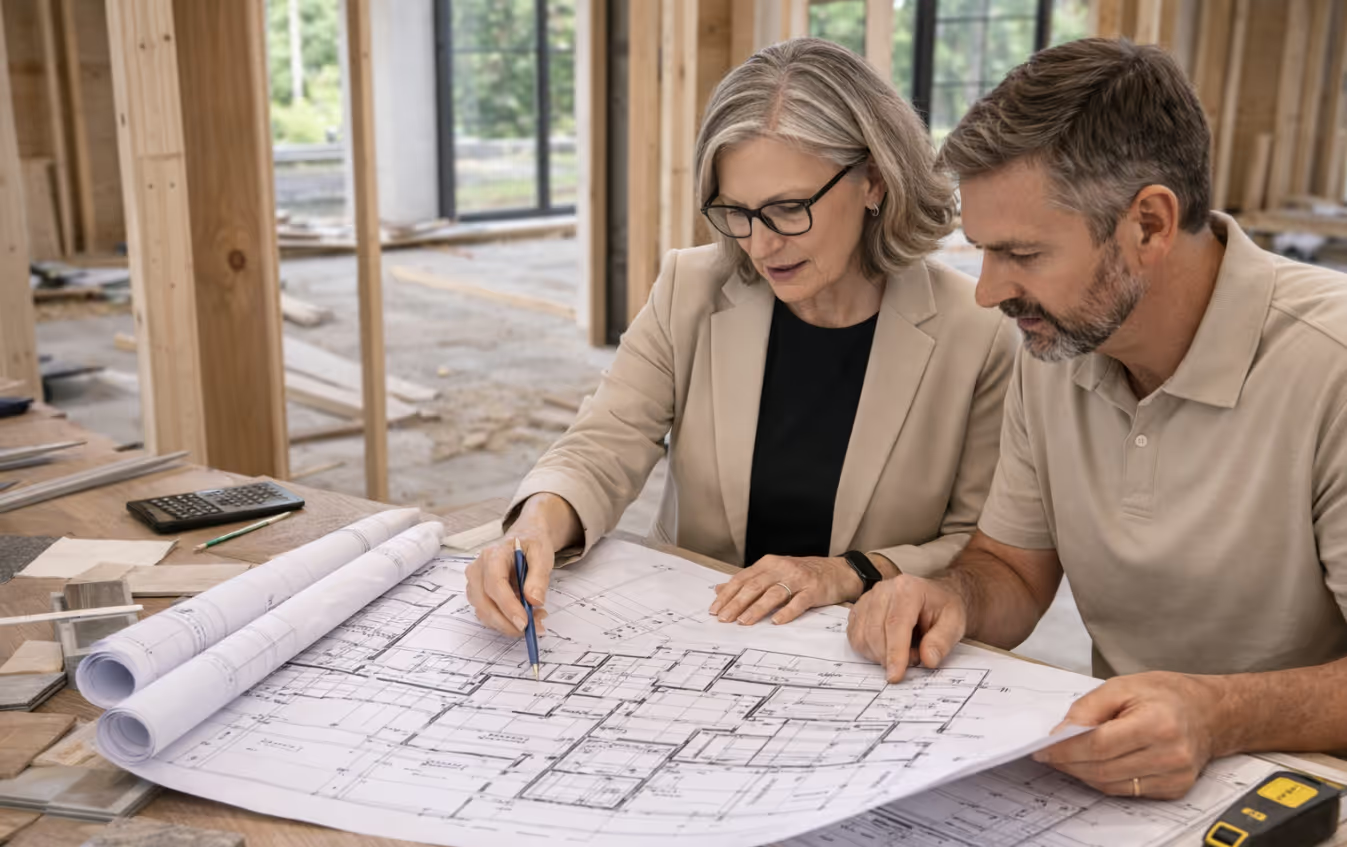
Architects and builders collaborate continuously during construction to interpret details, resolve field conditions, and maintain design intent while balancing cost and practicality.

Building the right project team requires aligning experienced professionals who have worked on similar projects and can collaborate effectively. A coordinated team reduces risk, improves decisions, and keeps the project on track.

When design and construction are not aligned, projects face cost overruns, delays, and compromised outcomes. Disconnects between teams lead to rework, confusion, and loss of design intent.
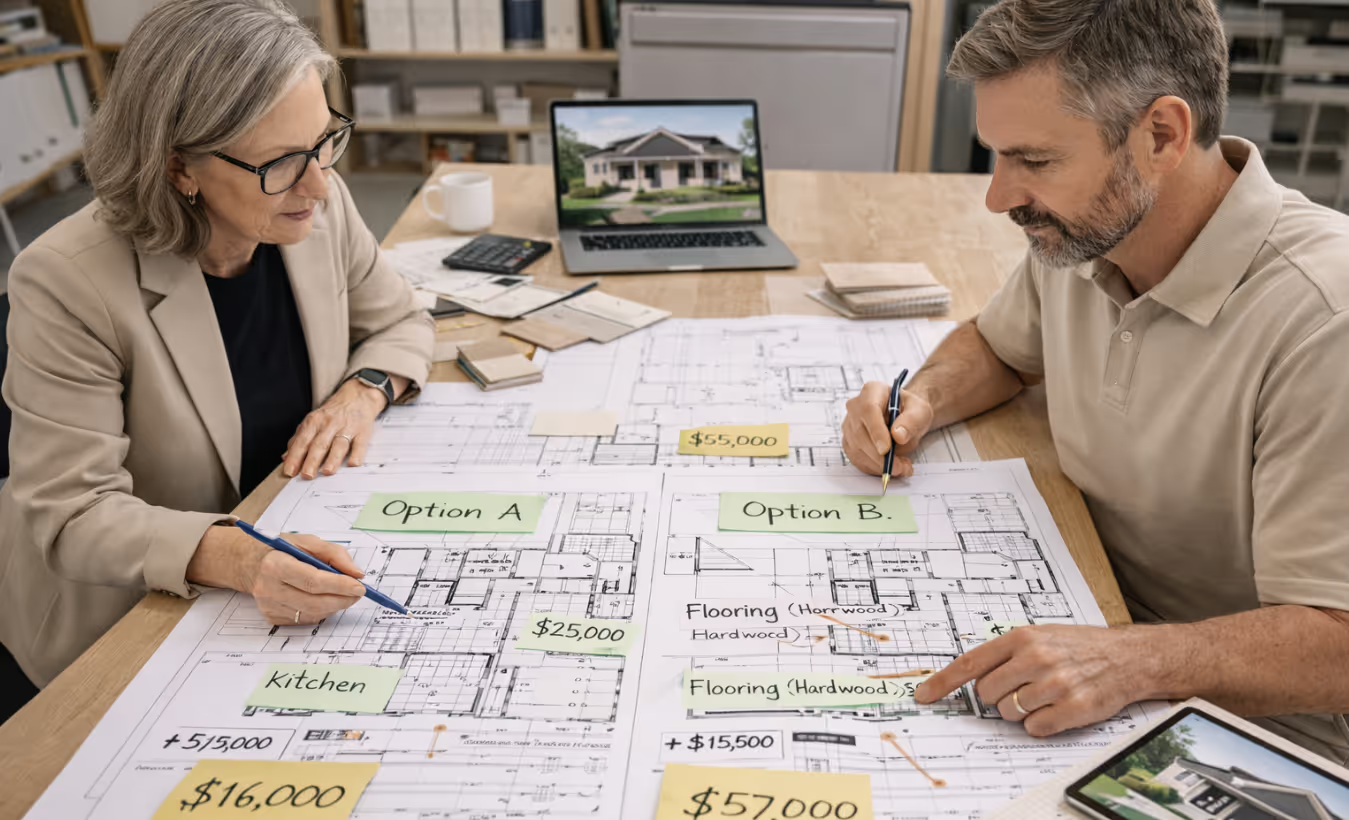
Cost feedback integrated during design allows decisions to be evaluated in real time, reducing budget surprises and aligning scope with financial expectations before construction begins.
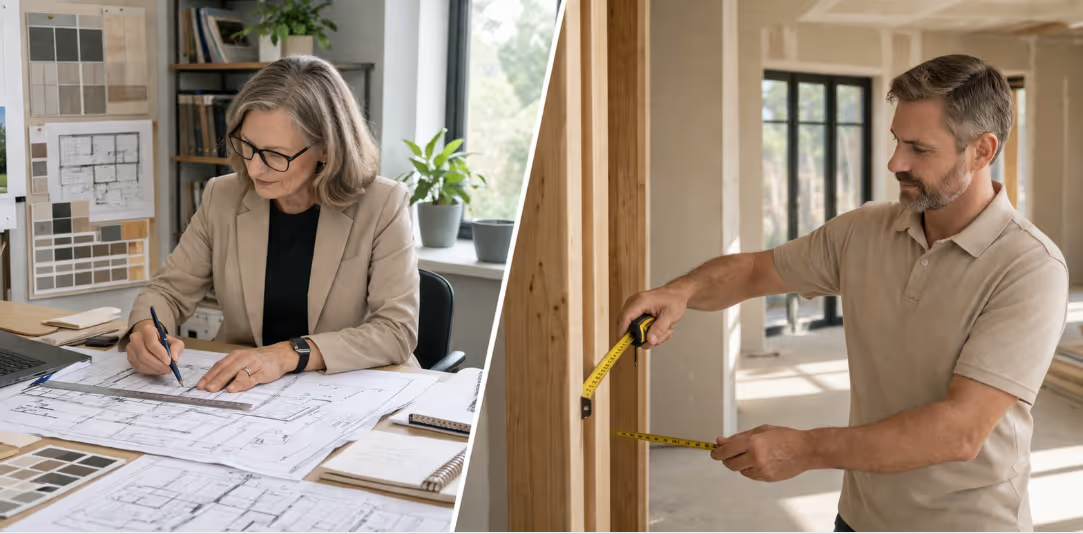
Architects and builders have distinct but complementary roles. The architect leads design and design intent, while the builder manages cost, construction, and execution. Clear roles prevent confusion and misalignment.
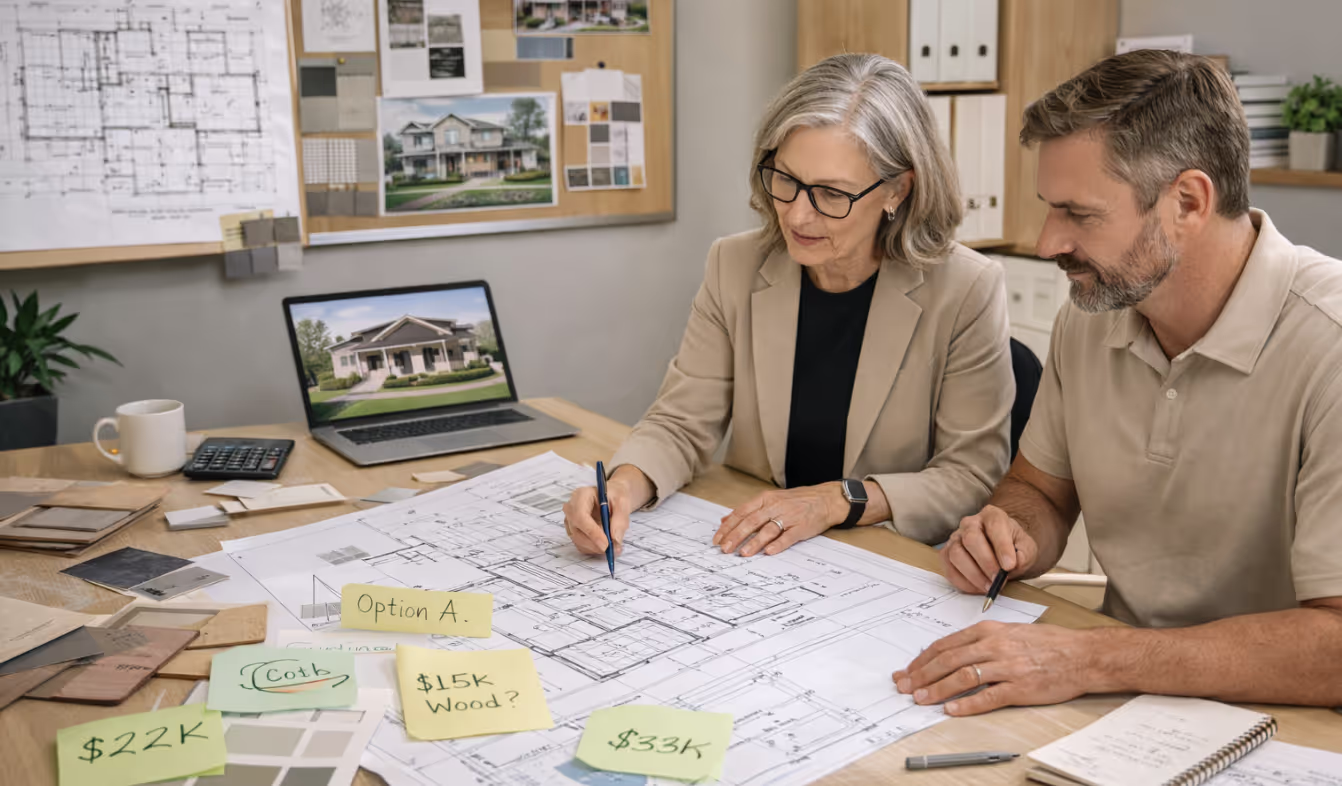
Early collaboration between architect and builder aligns design decisions with real costs, reduces assumptions, and allows options to be evaluated before construction, improving clarity and control.
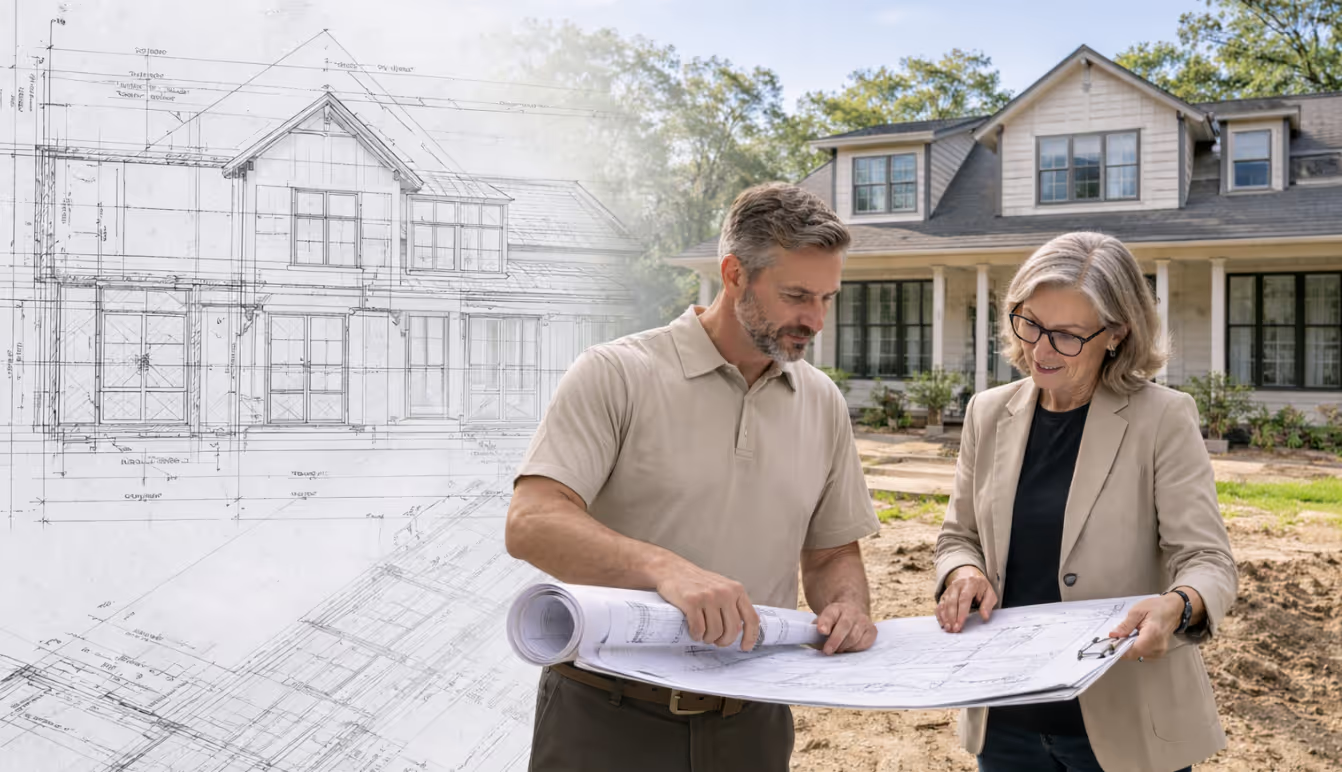
Builders play a critical role in preserving architectural design intent by aligning construction methods, materials, and decisions with the original vision while managing cost, coordination, and execution.
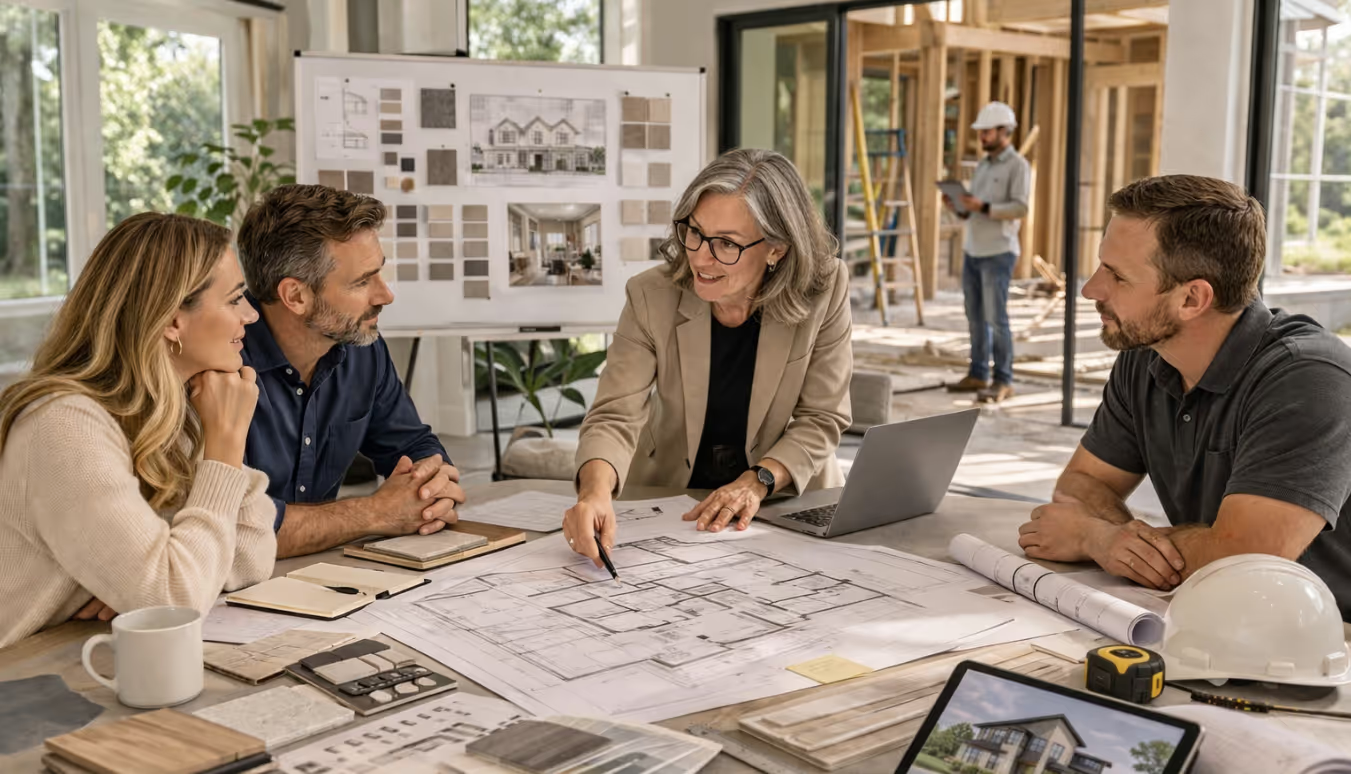
An architect-led project places the architect at the center of design decisions, with the builder supporting cost, execution, and coordination. This structure prioritizes design integrity and collaborative decision-making.
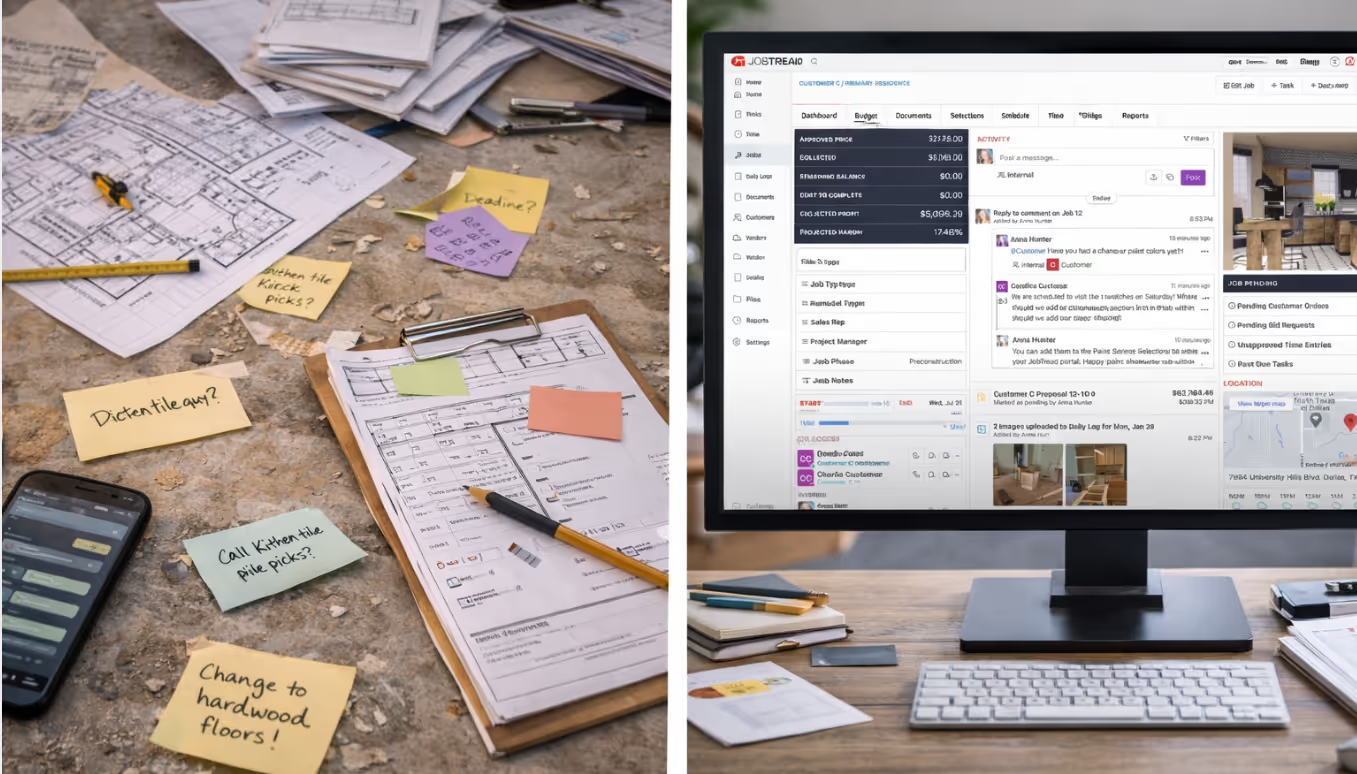
Without a clear project management system, construction projects suffer from poor communication, missed decisions, cost overruns, and scheduling delays. Systems are essential for coordination, tracking, and accountability.
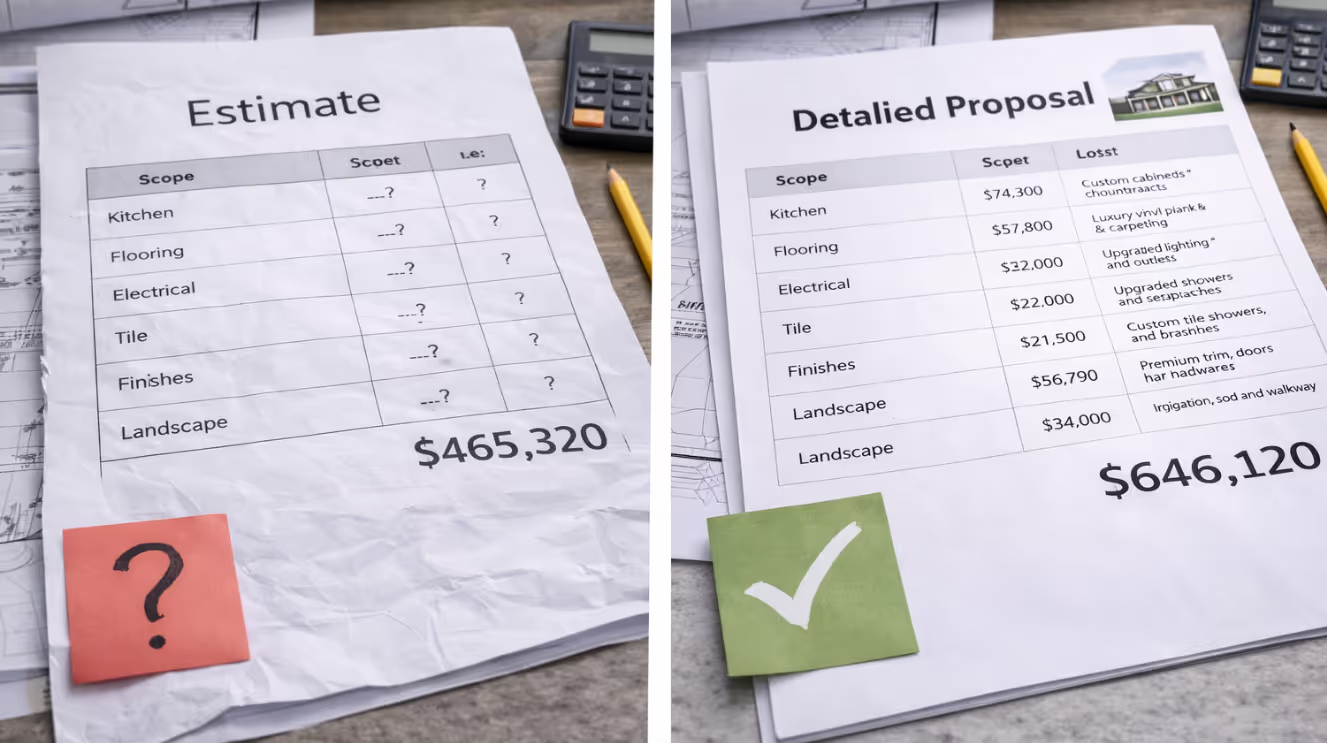
Choosing a builder based on the lowest price often leads to missing scope, unrealistic assumptions, and increased costs during construction. Evaluating process and completeness is more important than comparing totals.

Delaying finish selections disrupts construction sequencing, causes scheduling delays, and increases costs. Timely decisions are essential to keep the project moving efficiently and aligned with the build schedule.

Late design changes increase cost and extend schedules by causing rework, disrupting sequencing, and requiring additional coordination. The later a change occurs, the greater its impact on the project.

Poor communication leads to missed decisions, cost overruns, and project delays. Structured communication systems ensure clarity, accountability, and alignment throughout construction.
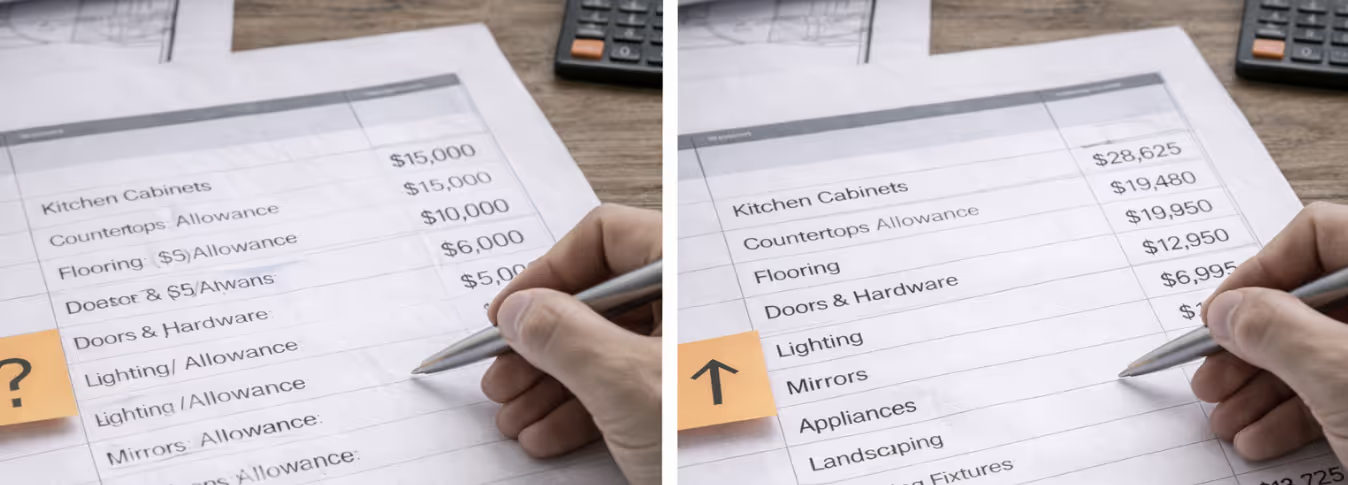
Allowances introduce uncertainty into construction budgets by replacing defined scope with placeholders. The more allowances included, the less reliable the total cost and the higher the risk of overruns.

Vague construction drawings lead to assumptions, inconsistent pricing, and costly changes during construction. Clear, detailed documentation is essential to align scope, control costs, and avoid surprises.

Starting construction before design is complete introduces cost uncertainty, coordination issues, and increased risk of rework. Fully developed drawings are essential to align scope, pricing, and execution.

Early mistakes when selecting a builder can lead to cost overruns, misalignment, and poor outcomes. Most issues stem from ignoring expert guidance, incomplete proposal review, and choosing based on familiarity instead of fit.

Construction projects go over budget due to incomplete scope, unrealistic allowances, delayed bidding, and poor cost tracking. Most overruns are preventable with proper planning, transparency, and ongoing budget management.
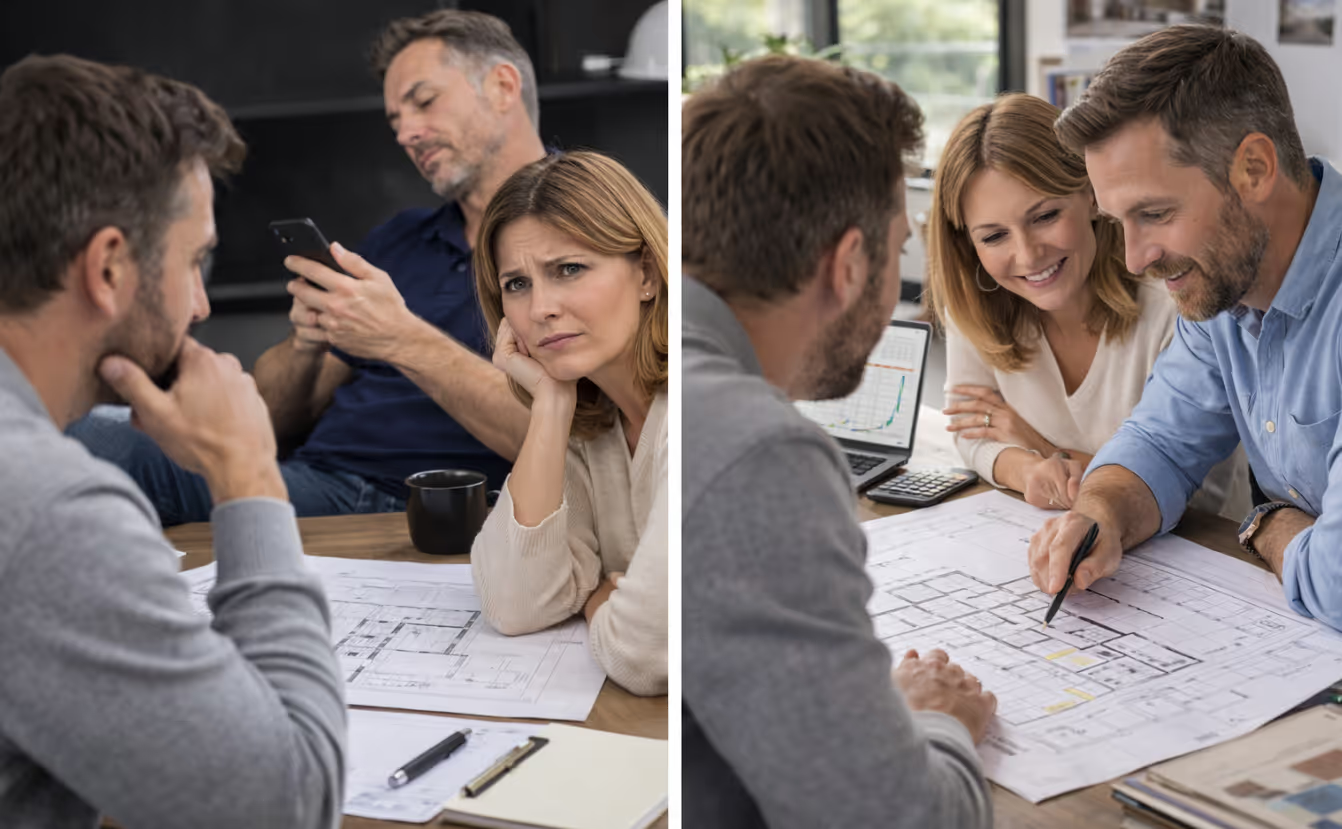
Not all builders are the right fit for a custom project. Early warning signs often appear in how they handle details, communication, and responsiveness to your specific goals and preferences.
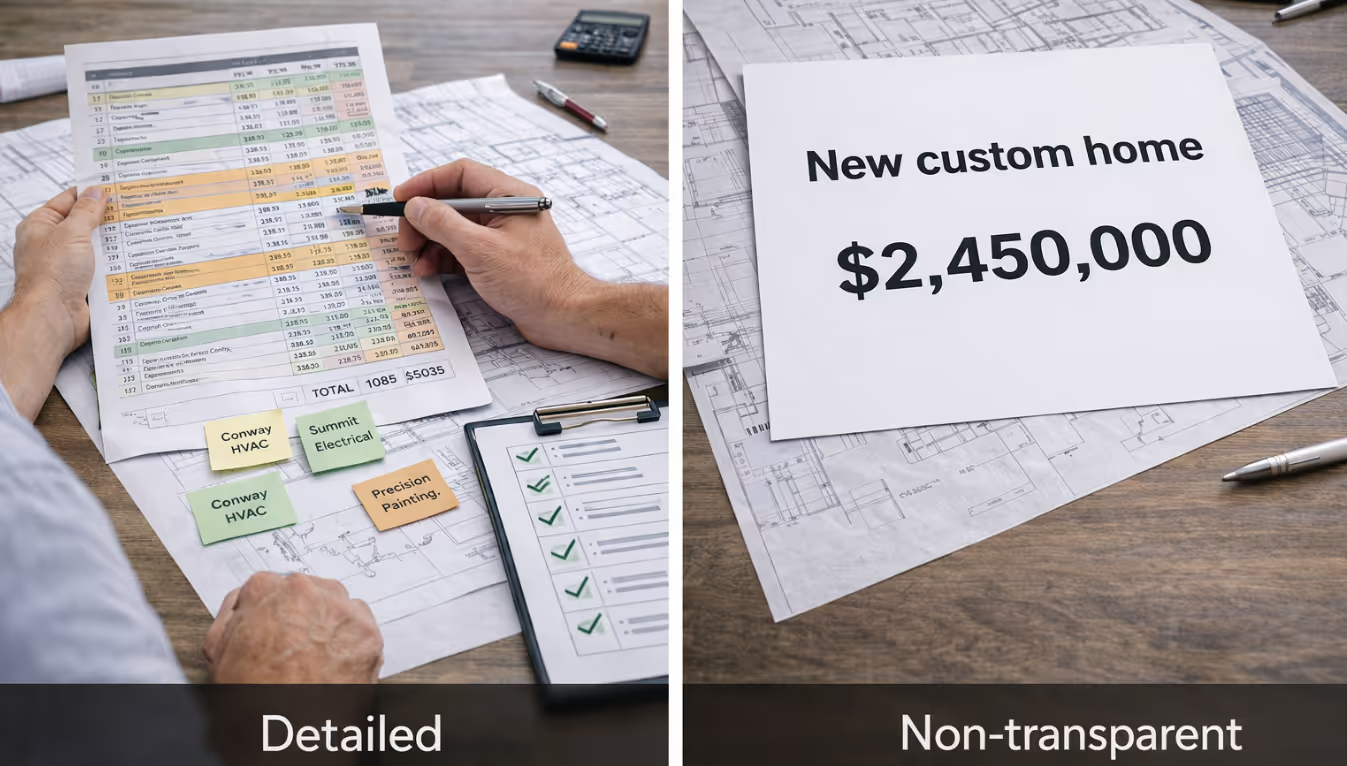
Transparency in construction varies widely. True transparency includes full visibility into costs, scope, and decision-making, while others may present limited information that appears open but lacks depth.
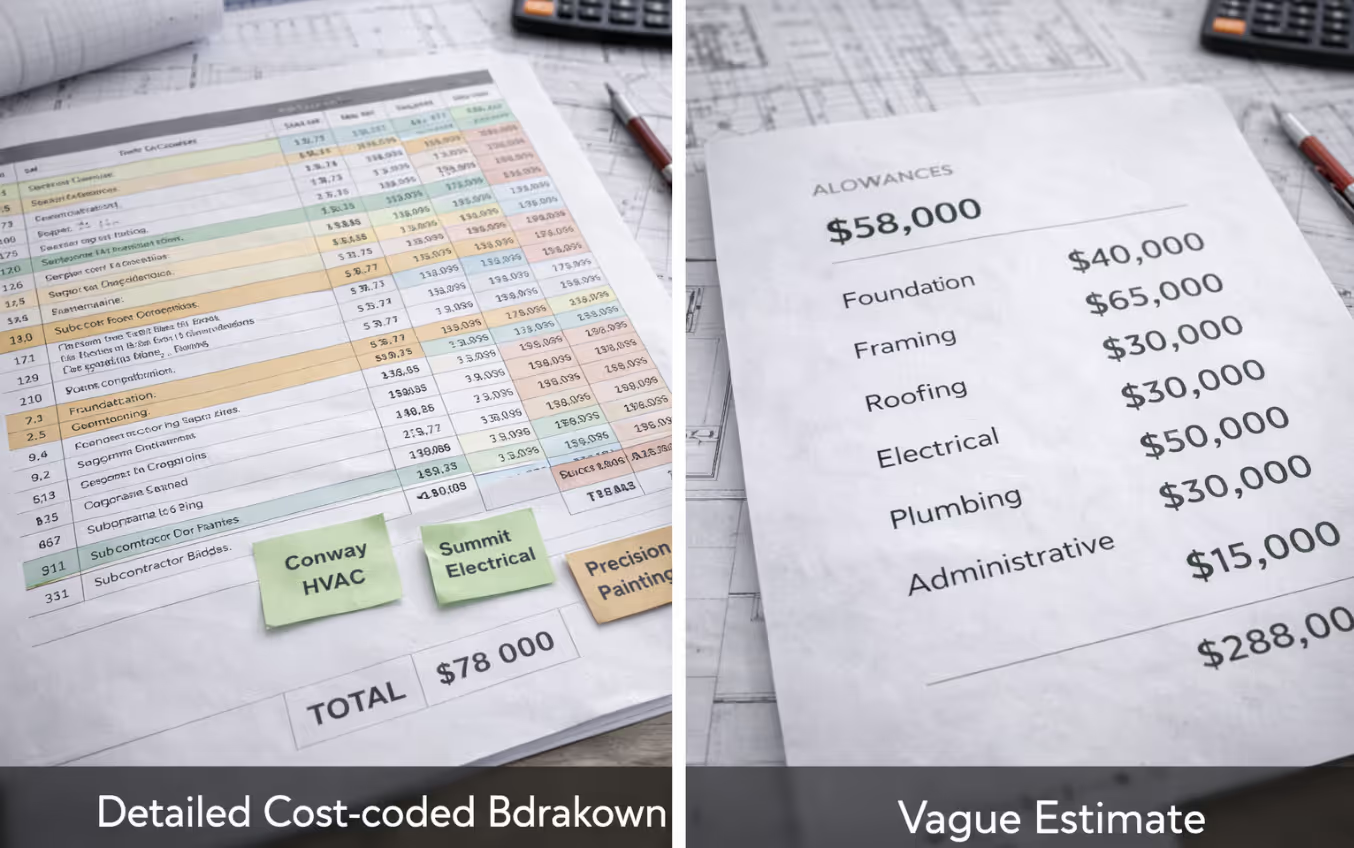
A builder's budgeting process reveals how accurately costs are developed and managed. Evaluating transparency, scope definition, and bidding structure is more important than comparing final numbers alone.

For custom homes, meeting 2-3 builders is typical, but detailed bidding should come from one selected builder. Early price comparisons are unreliable without defined scope and often create confusion rather than clarity.
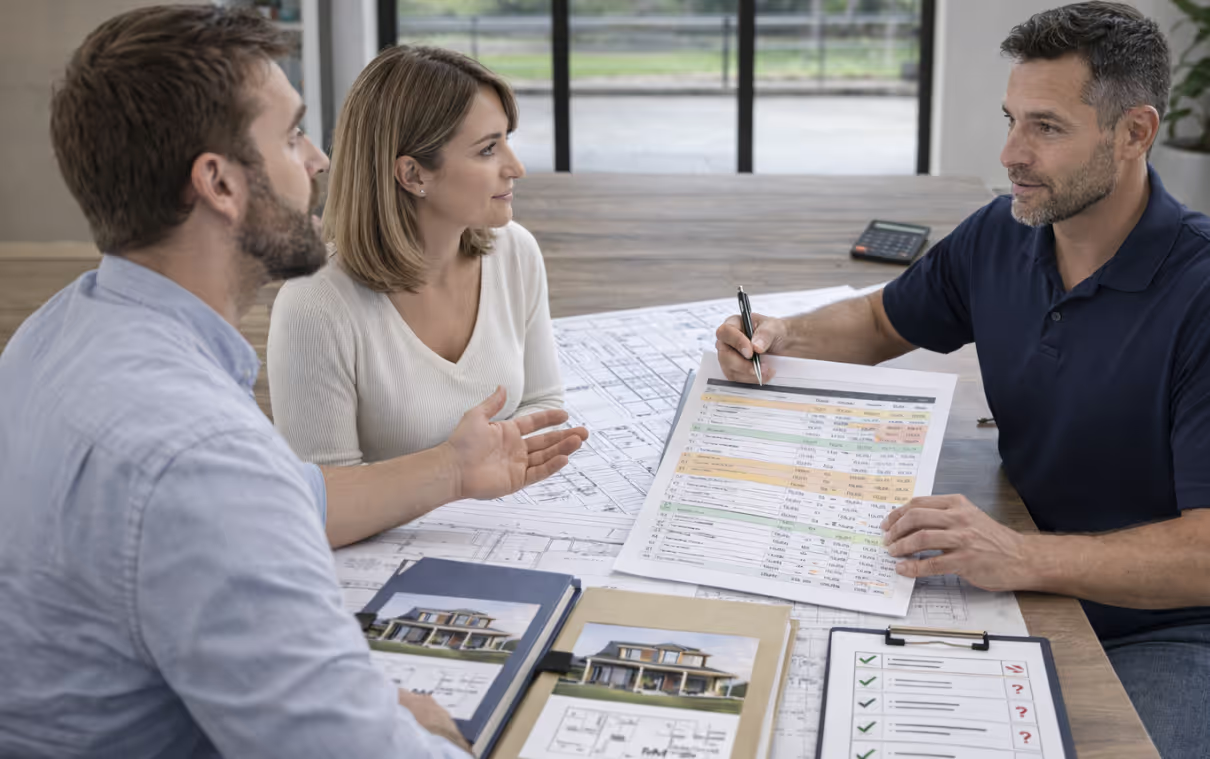
Choosing a builder requires more than reviewing price. Asking the right questions about experience, process, team, and assumptions helps identify fit and reduce risk before construction begins.
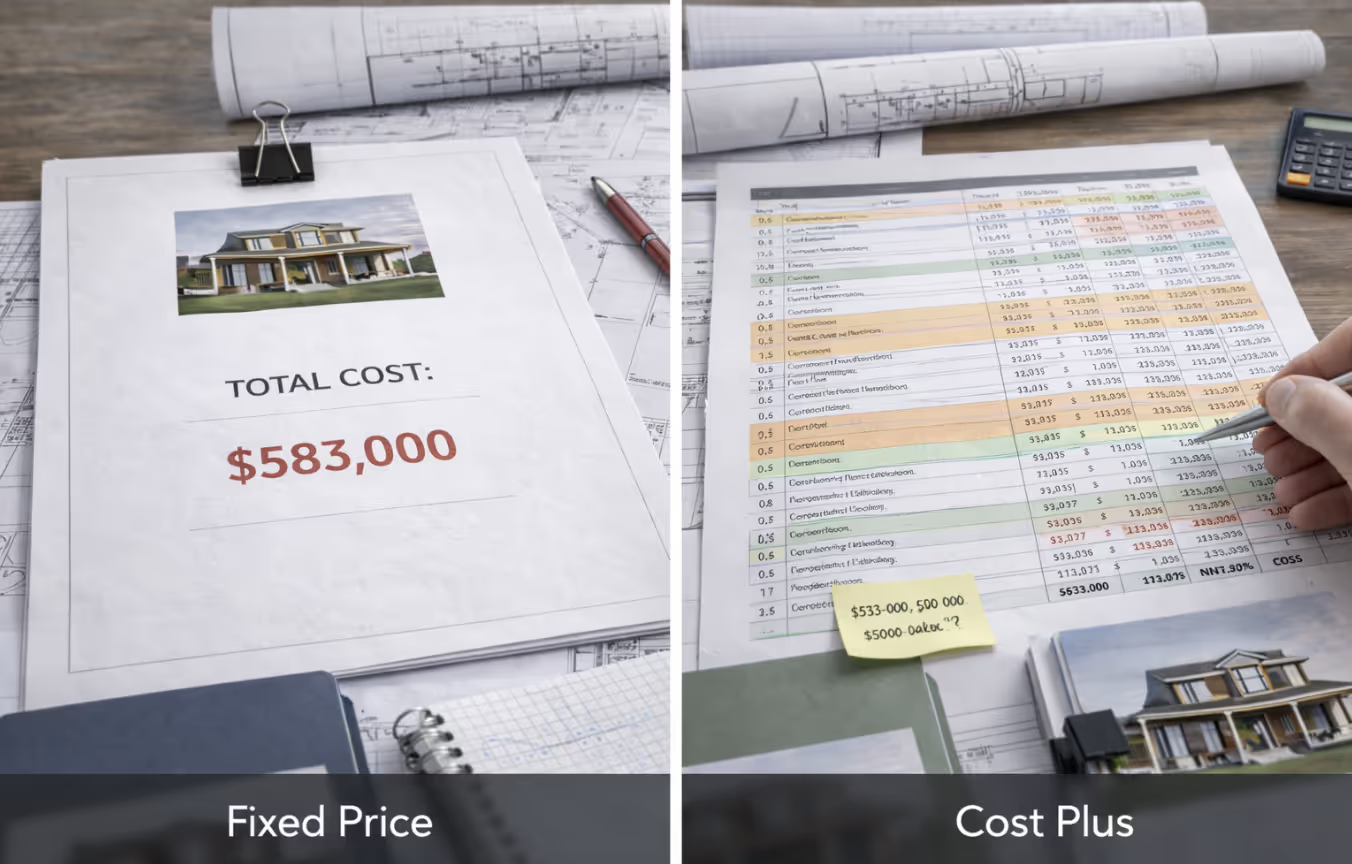
Fixed price and cost-plus proposals are fundamentally different and not directly comparable. To evaluate them fairly, scope, cost breakdown, and assumptions must be normalized before comparing totals.

Missing scope in a construction estimate often leads to change orders and cost increases. Identifying gaps early requires reviewing assumptions, clarifying exclusions, and aligning scope before construction begins.

A well-structured construction proposal evolves in two stages: an early conceptual budget that defines cost ranges and drivers, followed by a detailed control estimate built from real bids and clearly defined scope.

Lower construction bids often reflect differences in assumptions, workload, or estimating quality. They may exclude scope, rely on unrealistic allowances, or be intentionally underpriced, creating risk of higher costs later.

Comparing construction proposals requires aligning scope, assumptions, and pricing structure. Without normalization, differences in detail can create misleading cost comparisons and poor decisions.

Project closeout includes completing punch list items, final coordination, and transitioning into a two-year warranty period. This phase ensures the home is finished properly and performs as intended after move-in.
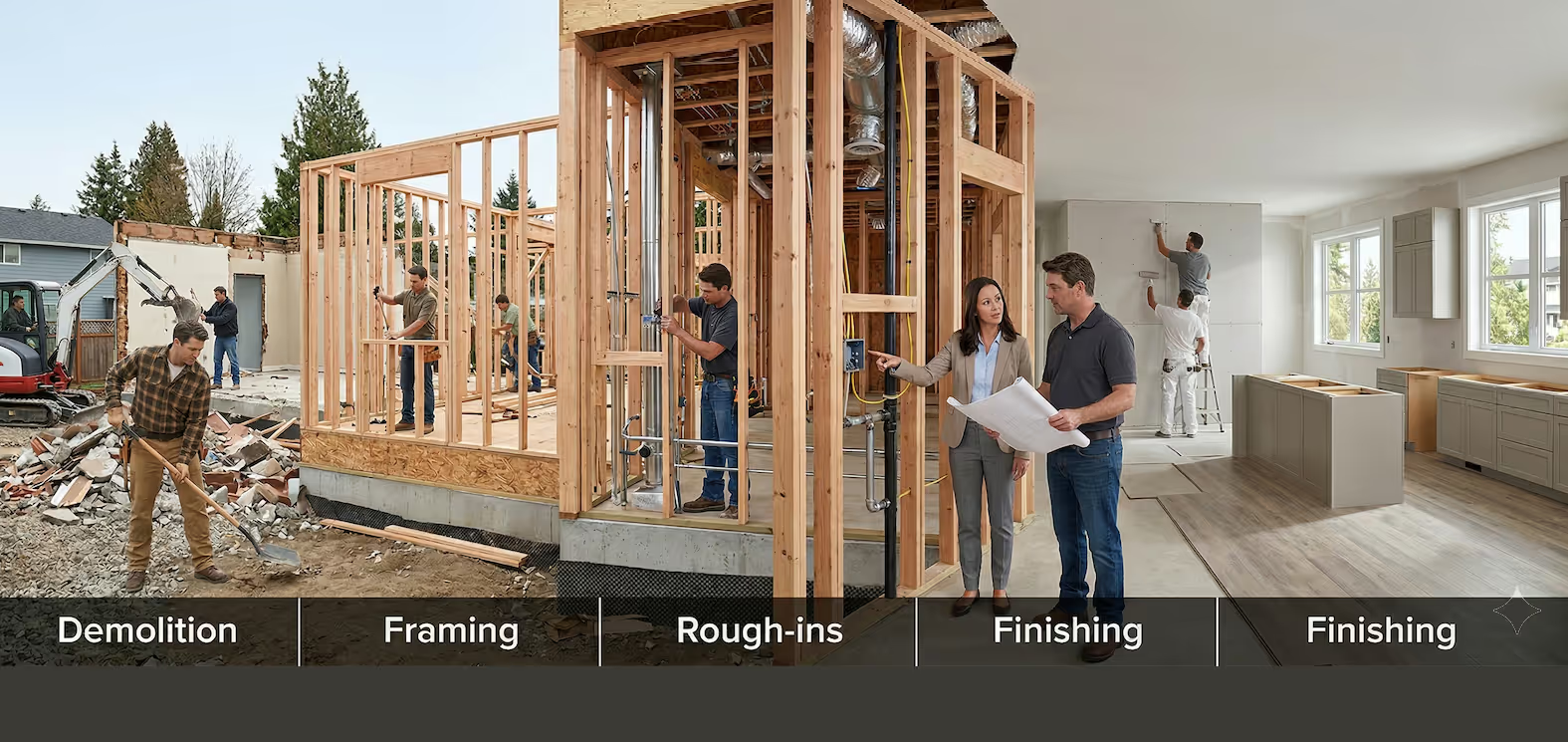
Construction decisions are shared across the architect, builder, and homeowner. Each role contributes different expertise, with the homeowner making final decisions based on coordinated input from the full team.
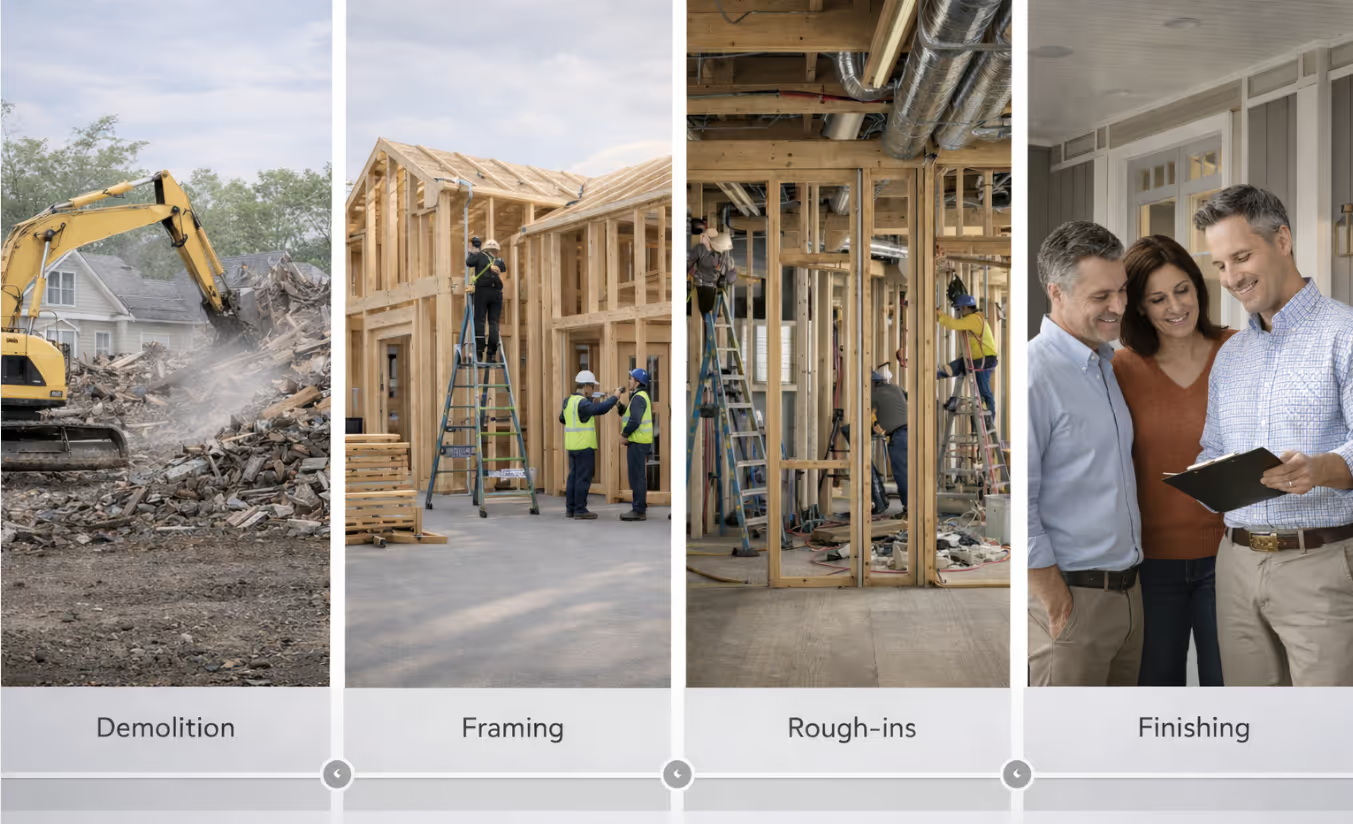
Construction is an active, decision-driven phase with regular meetings, ongoing selections, and coordinated progress. Understanding the rhythm of the build helps reduce uncertainty and keeps the project aligned with your vision.

The bidding phase defines scope in detail, gathers competitive subcontractor pricing, and aligns costs with client expectations. This process reduces scope gaps and ensures informed, transparent trade selection before construction begins.

High-end renovations and custom homes take time due to design, planning, and construction complexity. Preconstruction alone can take 6�12 months, with construction timelines varying based on scope, scale, and decision-making.

Design decisions directly affect both cost and schedule. Early, consistent decisions improve efficiency, while late changes or reversals increase cost, delay progress, and disrupt project momentum.
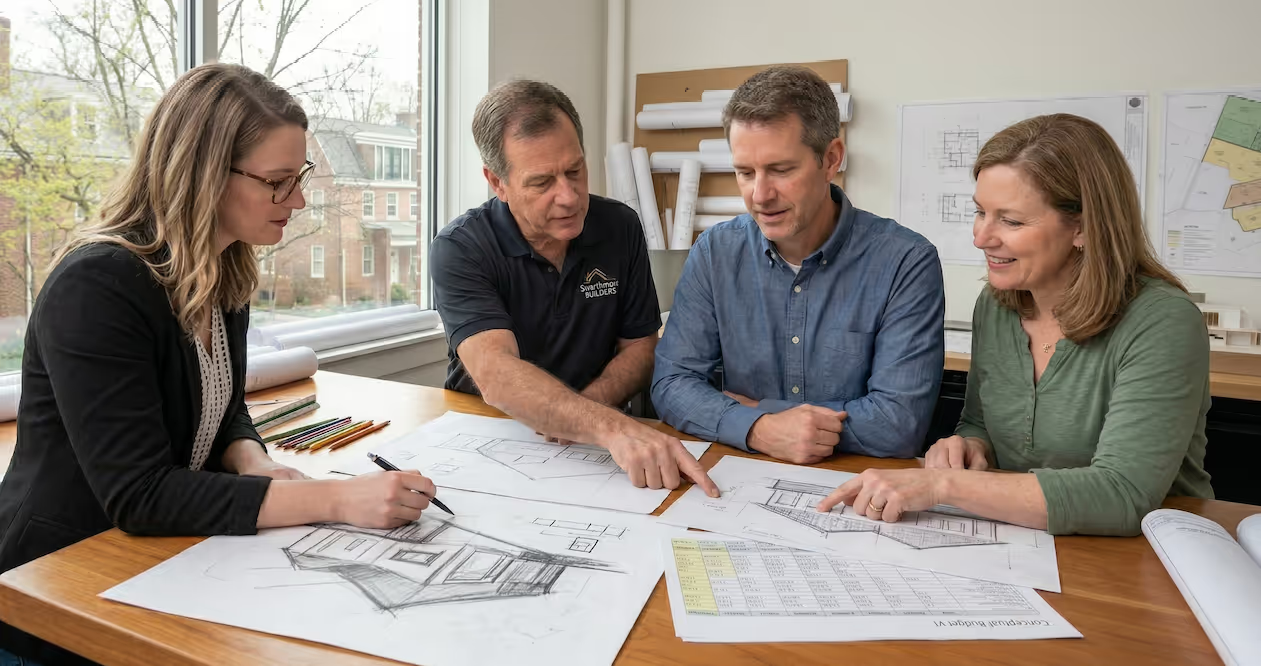
A builder should be brought into the design process early, during initial design development. Early involvement aligns cost with design decisions and creates a more efficient, transparent path to construction.
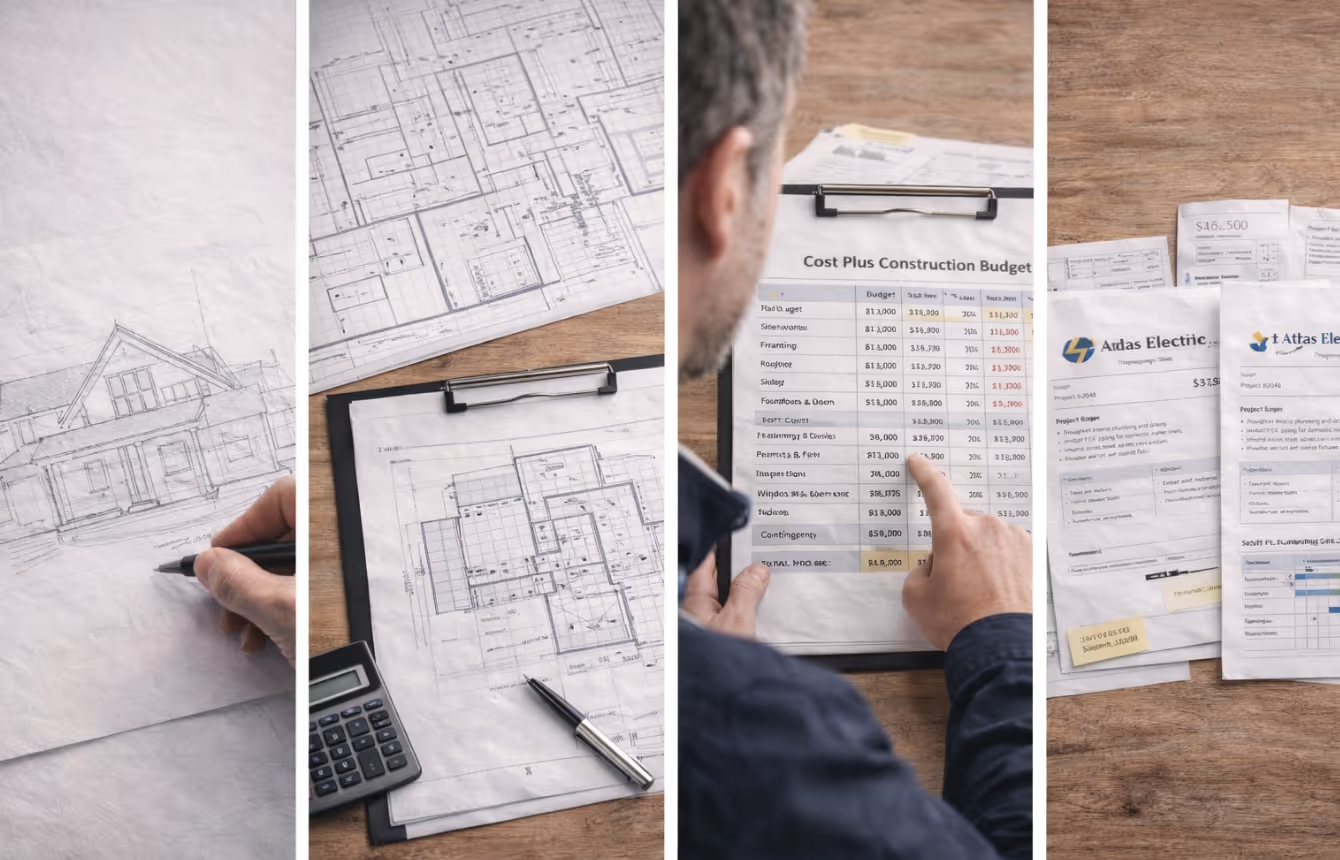
Preconstruction includes design development, budgeting, bidding, and planning before construction starts. This phase aligns scope, cost, and expectations, reducing risk and preventing costly surprises later.
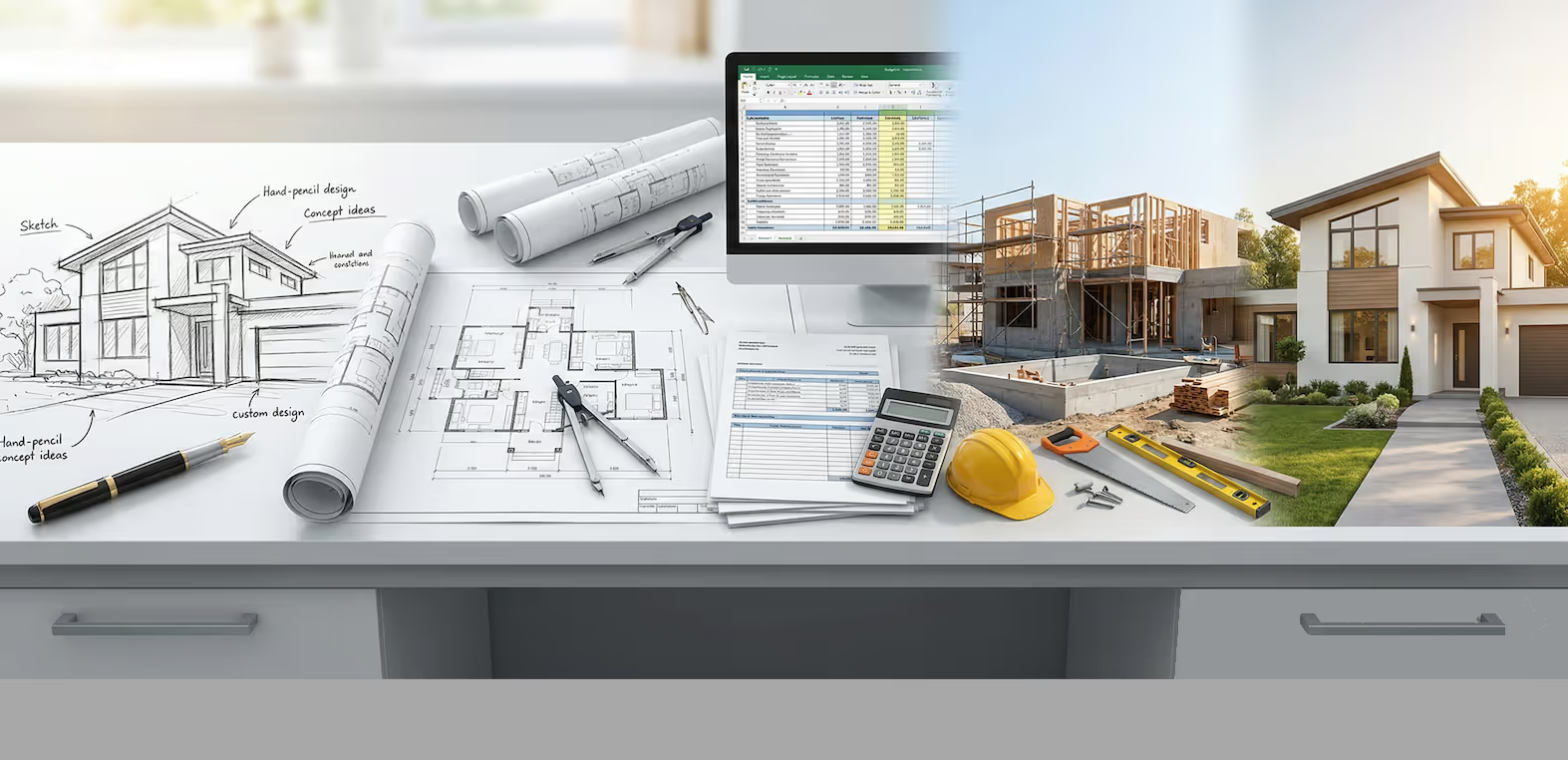
An architect-led construction project follows a structured path from idea to design, budgeting, bidding, and construction. When managed properly, each step builds clarity, reduces risk, and leads to a predictable and collaborative outcome.
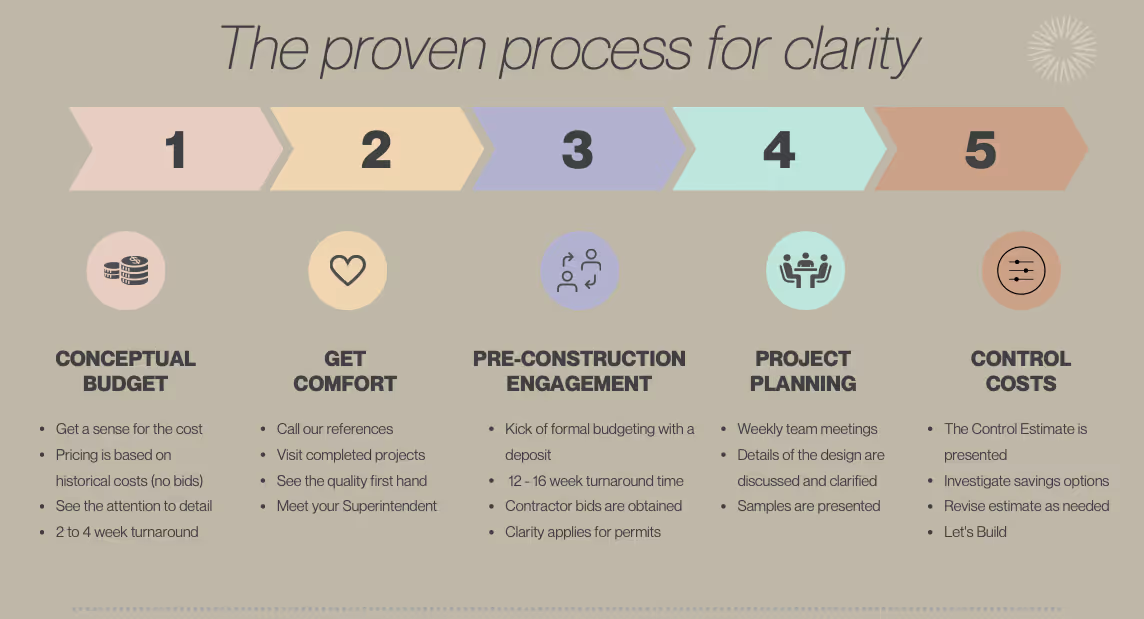
Before construction begins, a structured preconstruction process defines scope, tests cost, gathers bids, and aligns decisions. This phase reduces uncertainty and creates a clear path for execution.
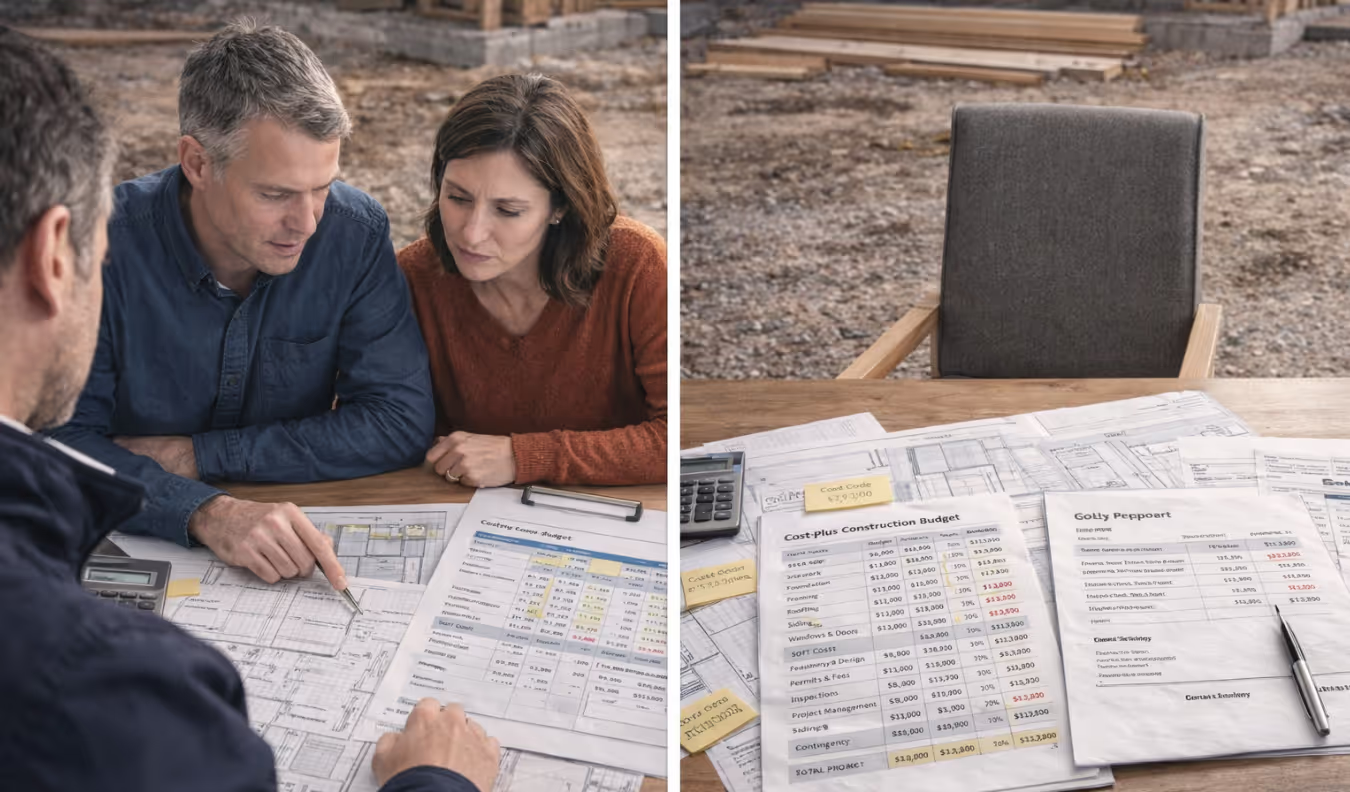
Cost-plus is not the right fit for every homeowner. It requires ongoing involvement, timely decisions, and comfort with transparency. Clients seeking a hands-off or fixed approach may be better suited to other contract types.
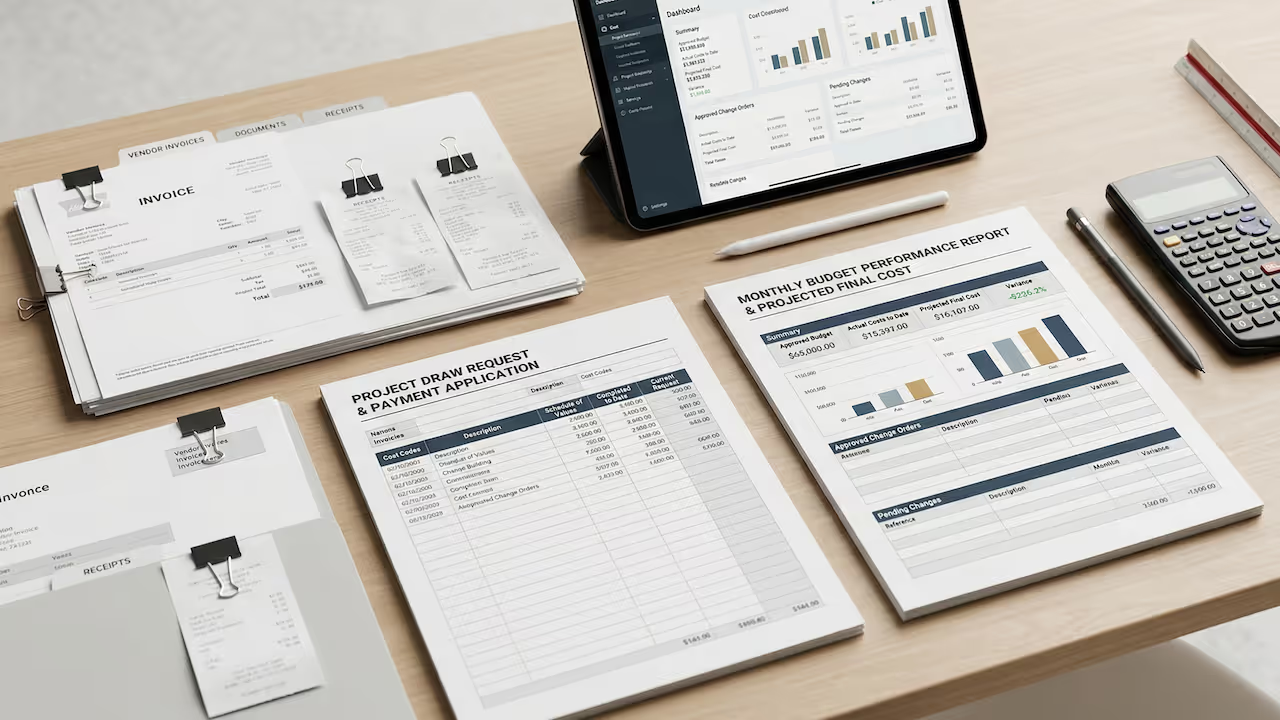
Financial reporting in a cost-plus project provides continuous visibility into spending, committed costs, and predicted final cost. Structured updates, draw requests, and documentation ensure no surprises and full transparency throughout construction.

Changes in cost-plus projects are tracked through a structured, multi-step process from idea to approved cost. Fixed price projects typically handle changes in a single step, often leading to reactive pricing and negotiation.
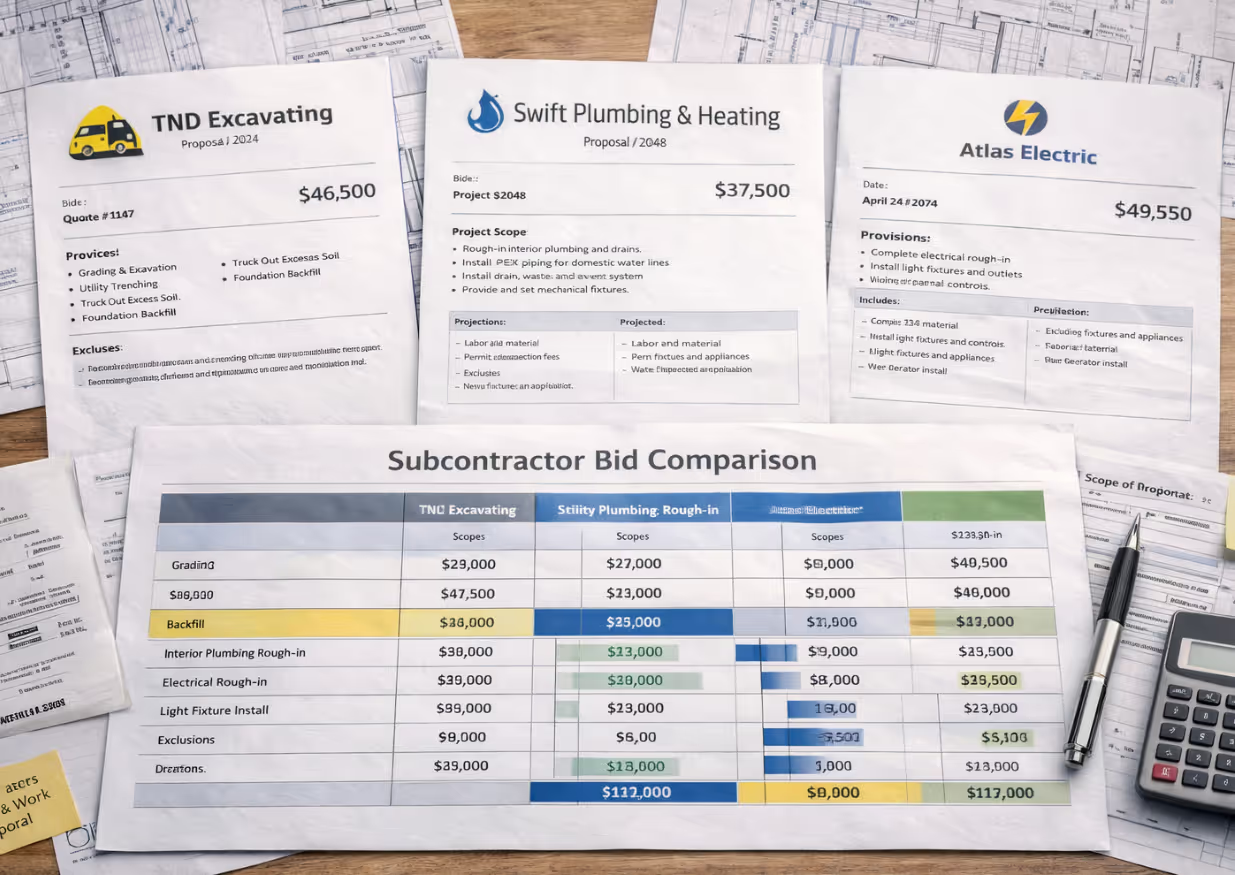
Subcontractor bidding in a cost-plus project is structured through detailed bid packages, competitive pricing, and transparent review. This process ensures clear scope, fair comparisons, and client involvement before any costs are committed.
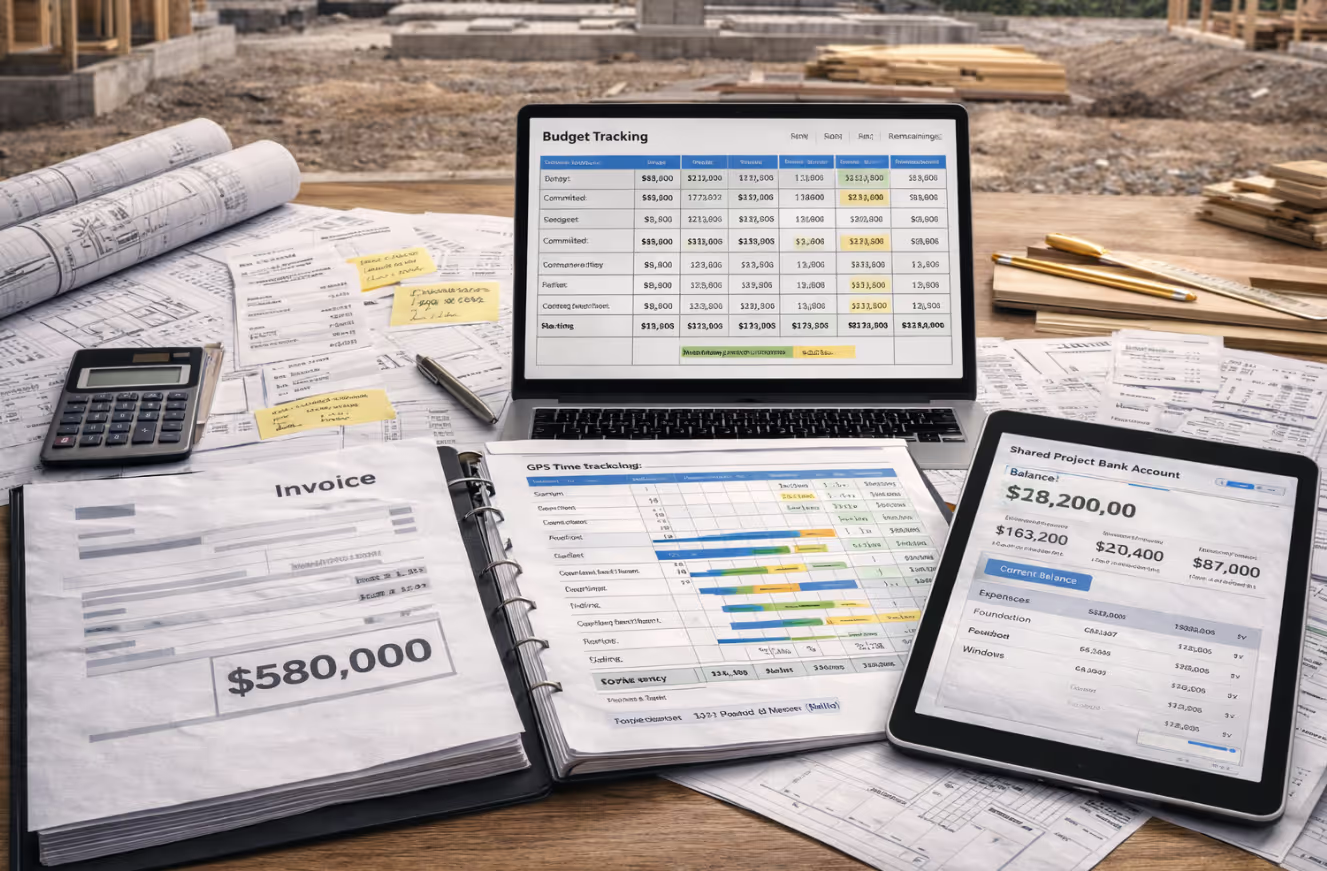
Open book construction means full visibility into costs, decisions, and processes. It goes beyond sharing invoices to include budgeting, bidding, supervision tracking, and real-time financial reporting.

Builder fees in a cost-plus agreement typically include a percentage-based management fee and separate project supervision costs. Both are essential to coordinating the project, managing trades, and ensuring quality execution.
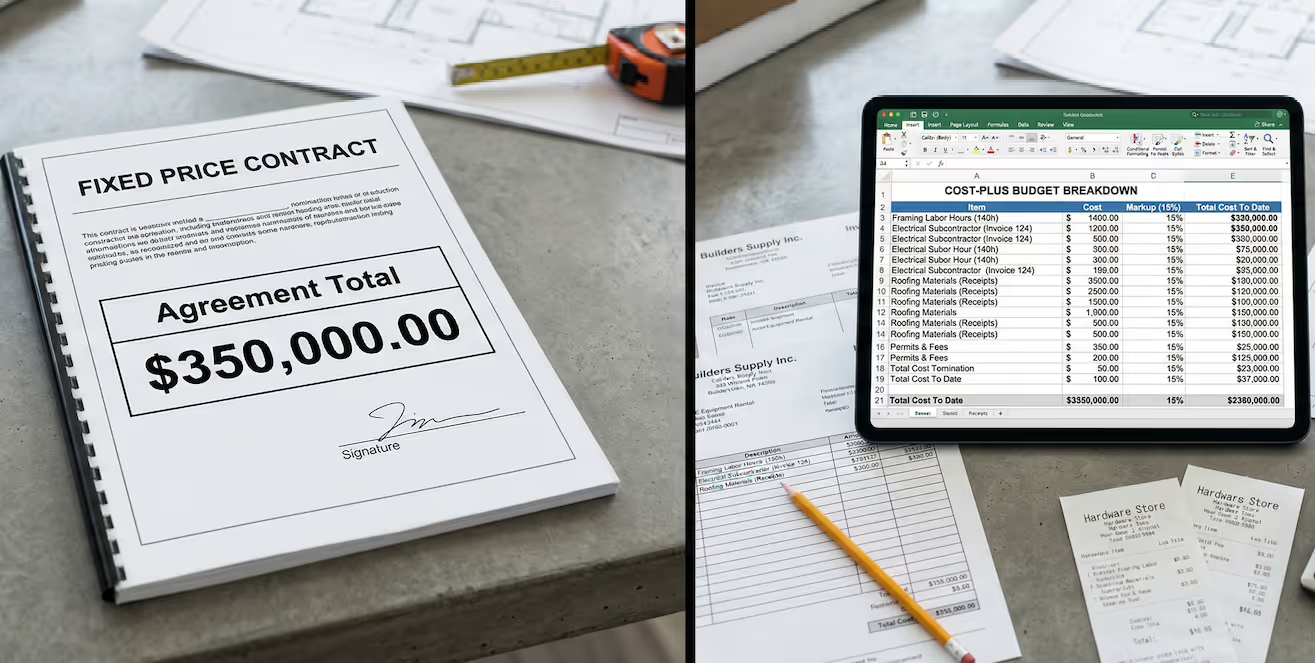
Cost-plus is not inherently more expensive than fixed price. Differences in total cost usually come from scope, assumptions, and transparency, not the contract type itself.
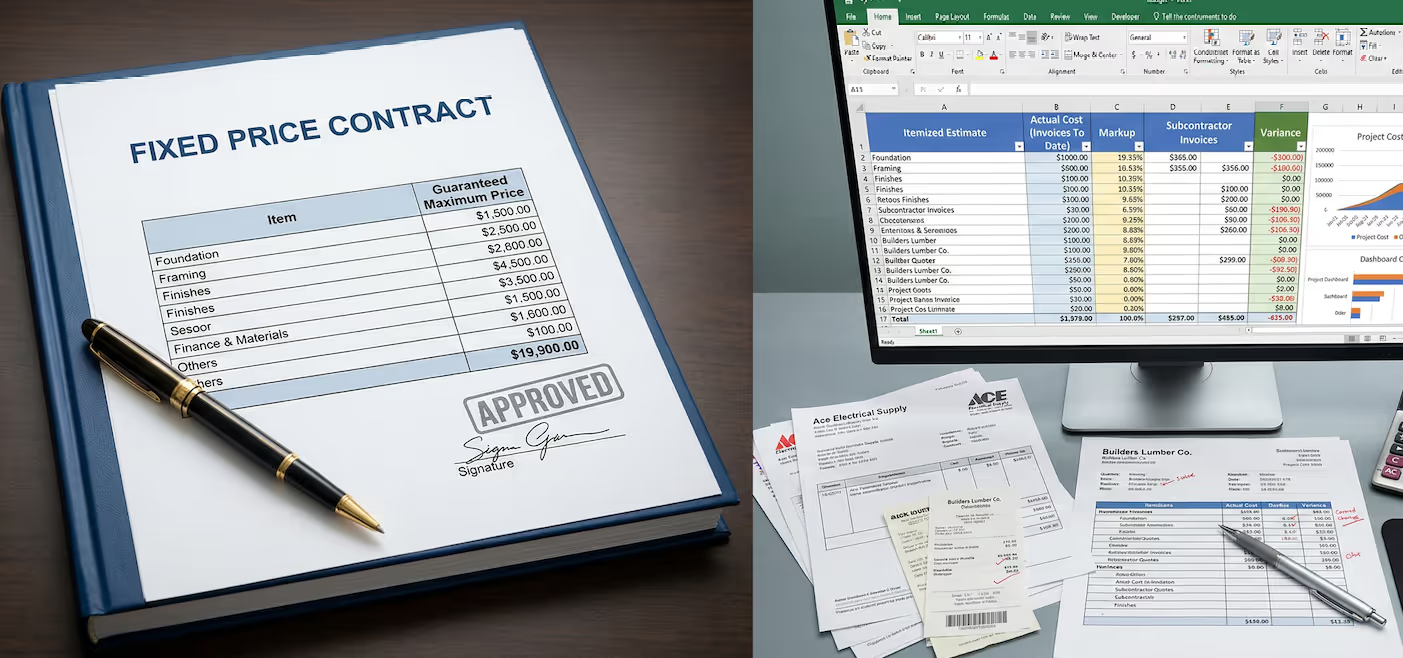
Cost-plus and fixed price contracts differ in how they handle cost, risk, and flexibility. Cost-plus tracks actual costs with transparency, while fixed price locks in a number upfront but relies on assumptions.
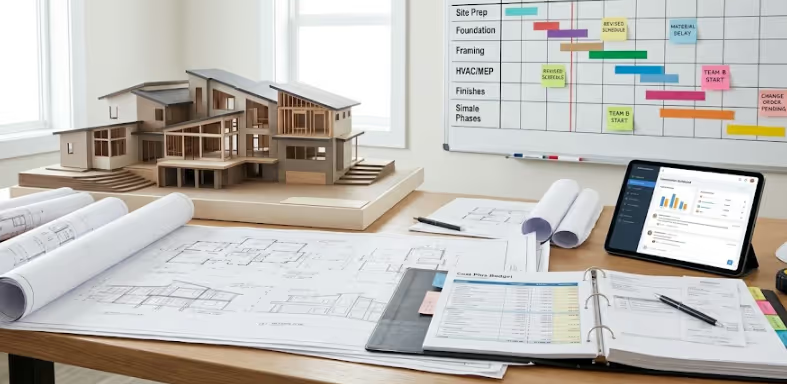
Cost-plus contracts are used in complex residential projects because they allow flexibility, transparency, and real-time cost tracking. Fixed pricing often struggles to handle evolving design and unknown conditions in custom work.
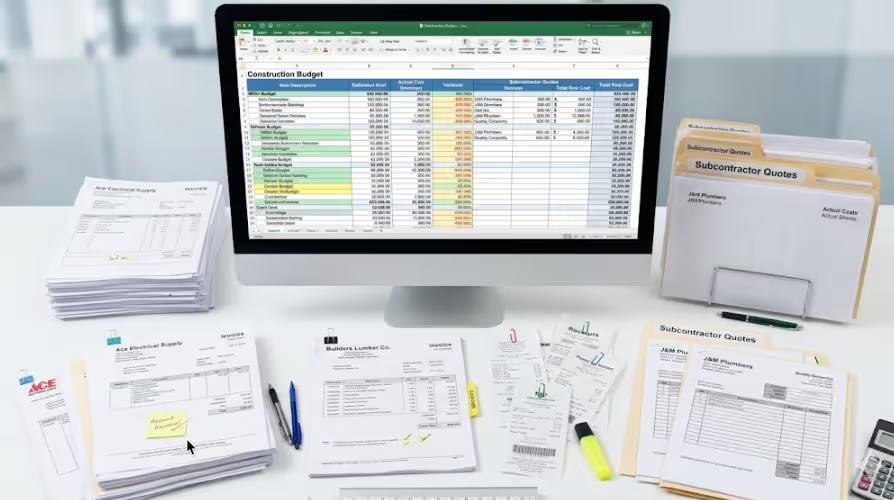
A cost-plus construction contract means you pay the actual cost of construction plus a builder's fee. It prioritizes transparency and flexibility, but requires trust and active budget management throughout the project.

Comparing construction budgets requires normalizing scope, assumptions, and allowances. Without this, lower prices often reflect missing or simplified information rather than true cost differences.

Budget overruns typically result from incomplete information, unrealistic assumptions, and late decisions. Understanding these risks early and managing them through a structured process helps maintain control and avoid surprises.
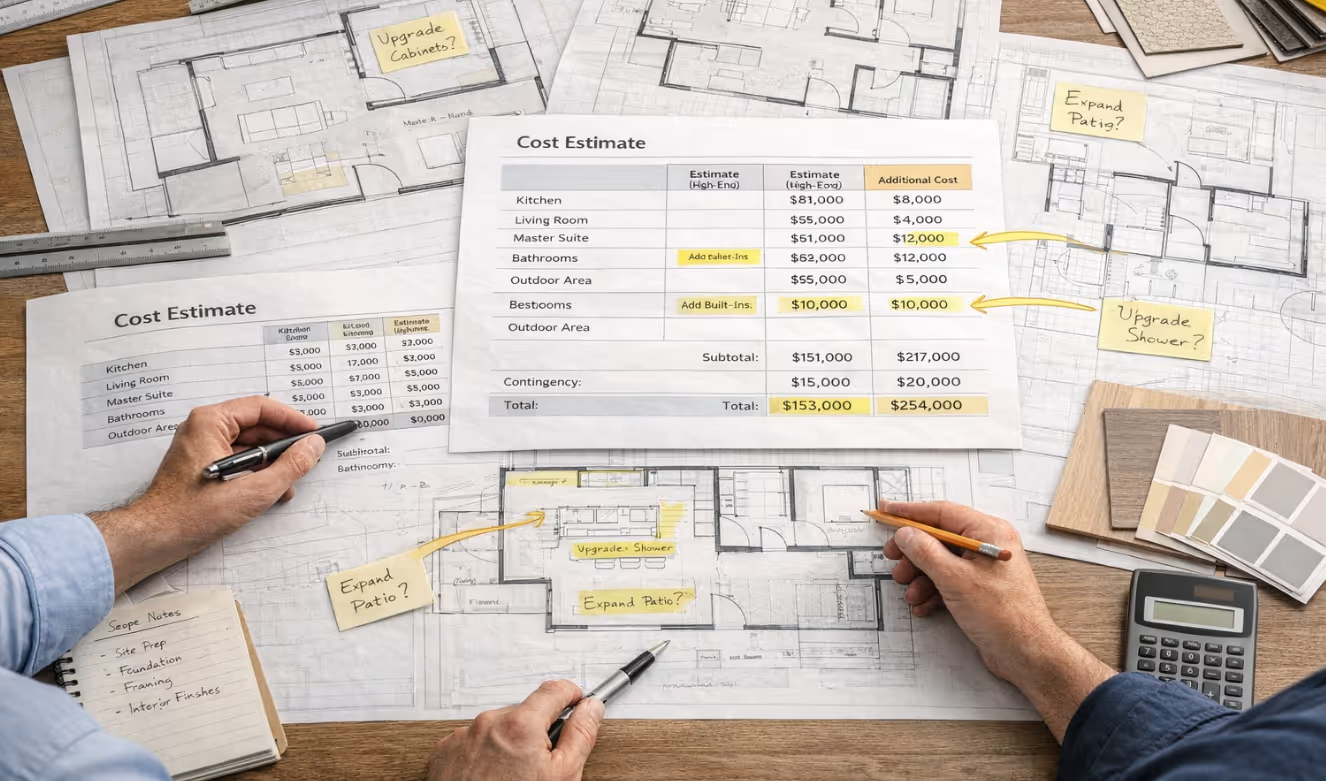
Aligning budget and design requires understanding cost drivers, identifying gaps early, and adjusting scope or expectations before construction begins. Without this alignment, projects often face redesign or cost escalation later.
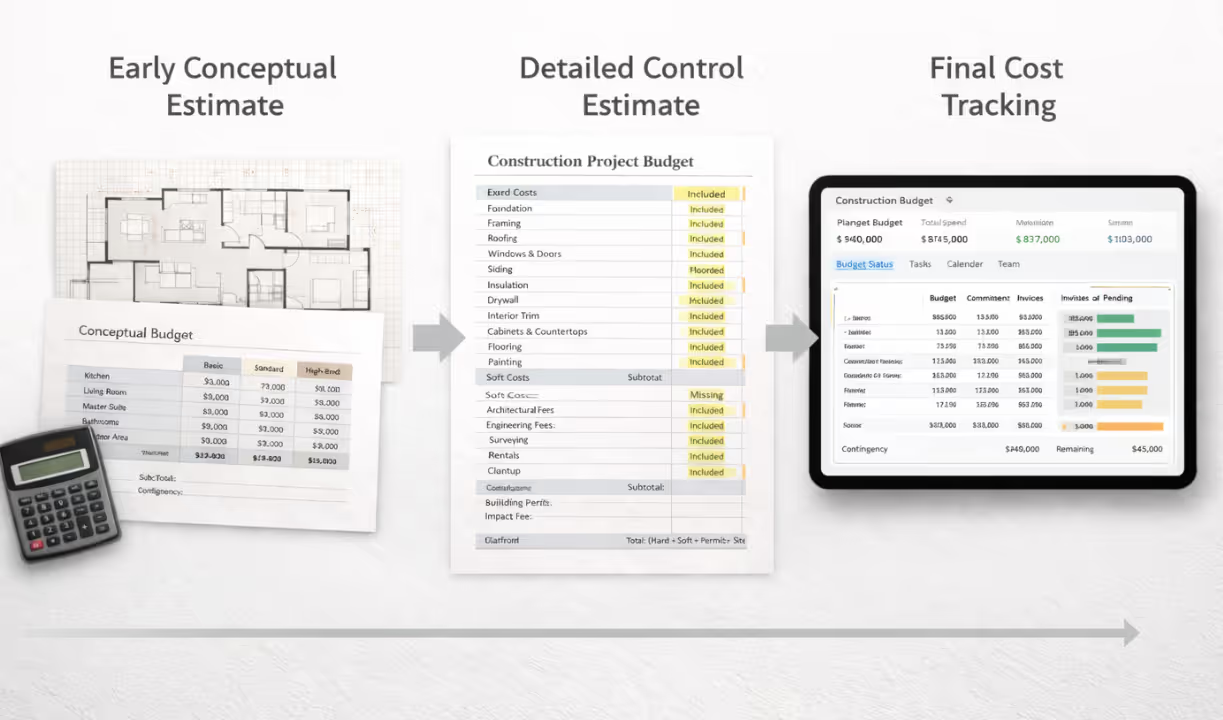
Construction budgets change as projects move from early assumptions to detailed pricing and real-time tracking. Understanding this evolution helps set realistic expectations and keeps cost control aligned with design decisions.
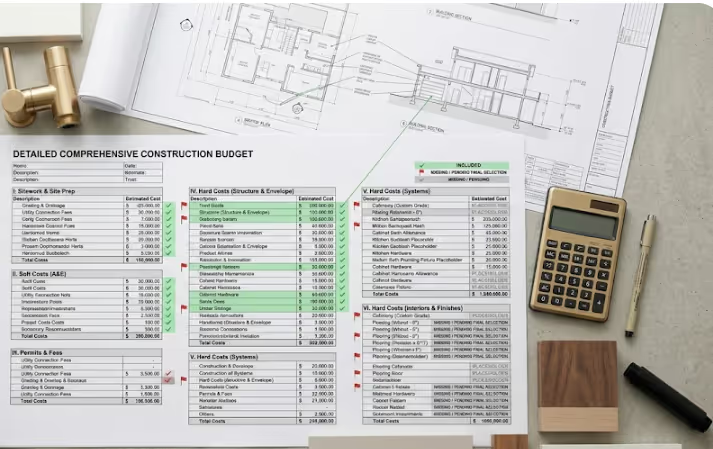
A realistic construction budget includes more than visible building costs. It must account for soft costs, site conditions, allowances, and evolving scope. Missing these categories is a common reason projects exceed expectations.
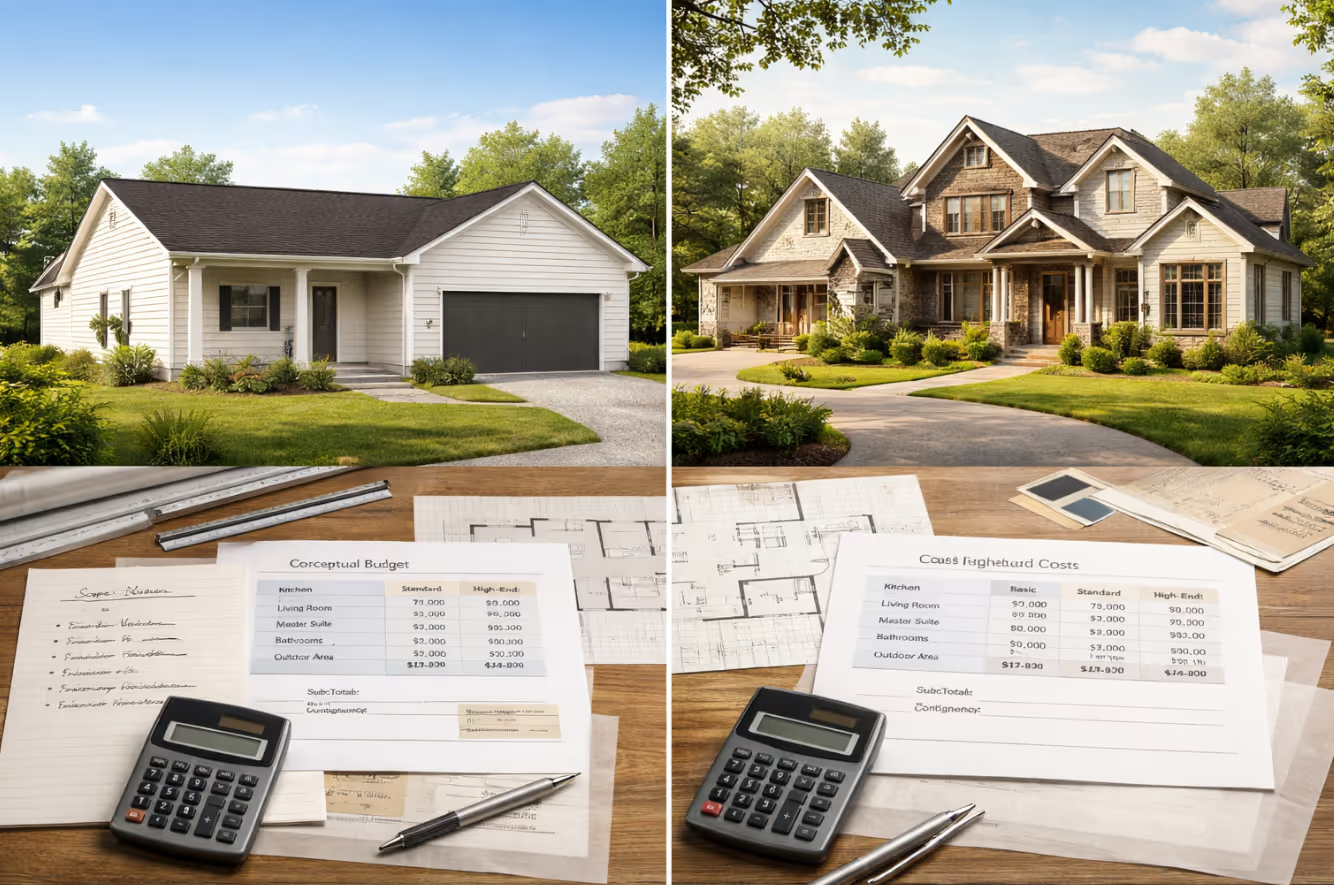
Price per square foot is a rough comparison tool, not a reliable budgeting method for custom homes. It ignores design complexity, material quality, and construction conditions, which are the primary drivers of actual cost.

Allowance placeholders in early estimates can make a budget look more certain than it is. Understanding where allowances appear, how they shift, and when they should be replaced helps prevent costly surprises later.
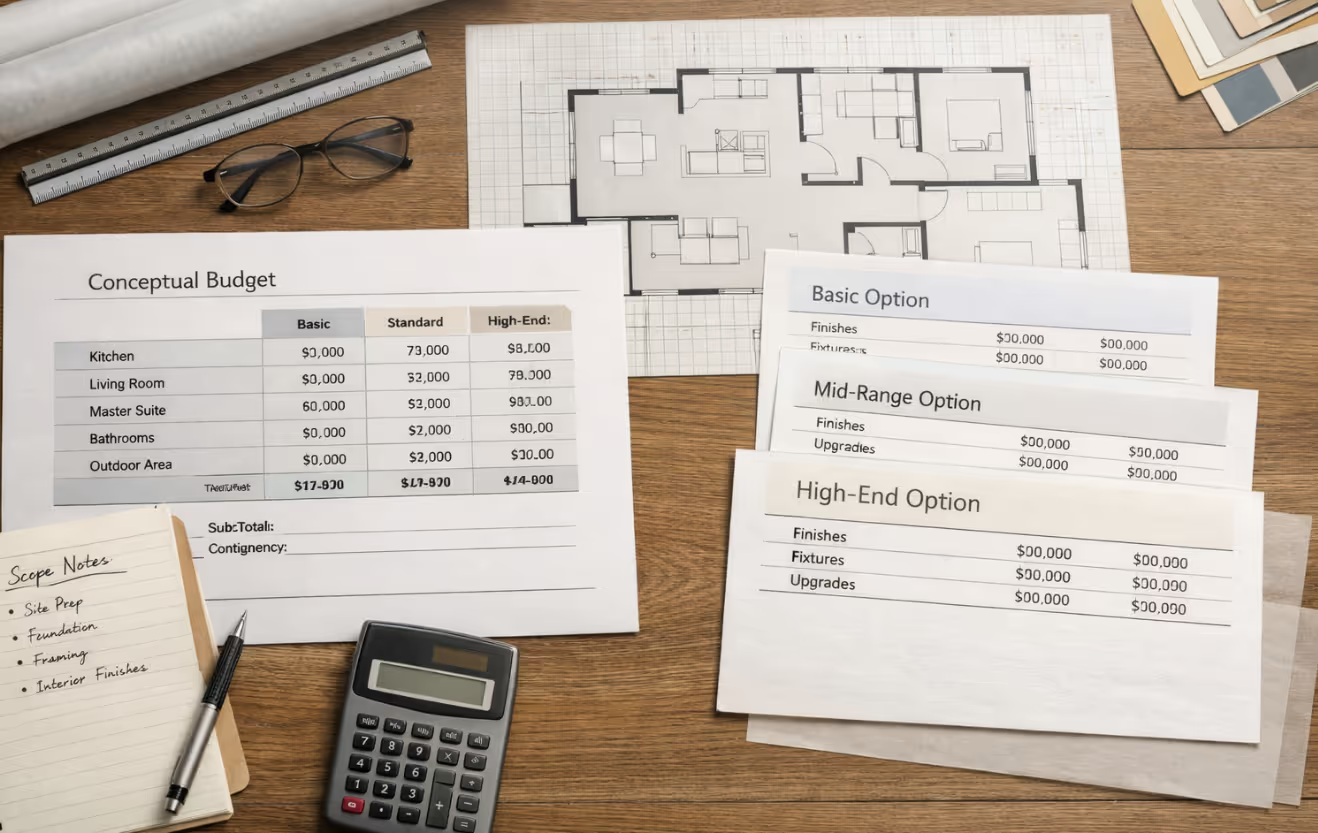
A conceptual budget gives an early cost range based on historical project data, preliminary scope, and assumptions. It is useful for planning, but it is not precise enough to function like a bid-backed estimate.
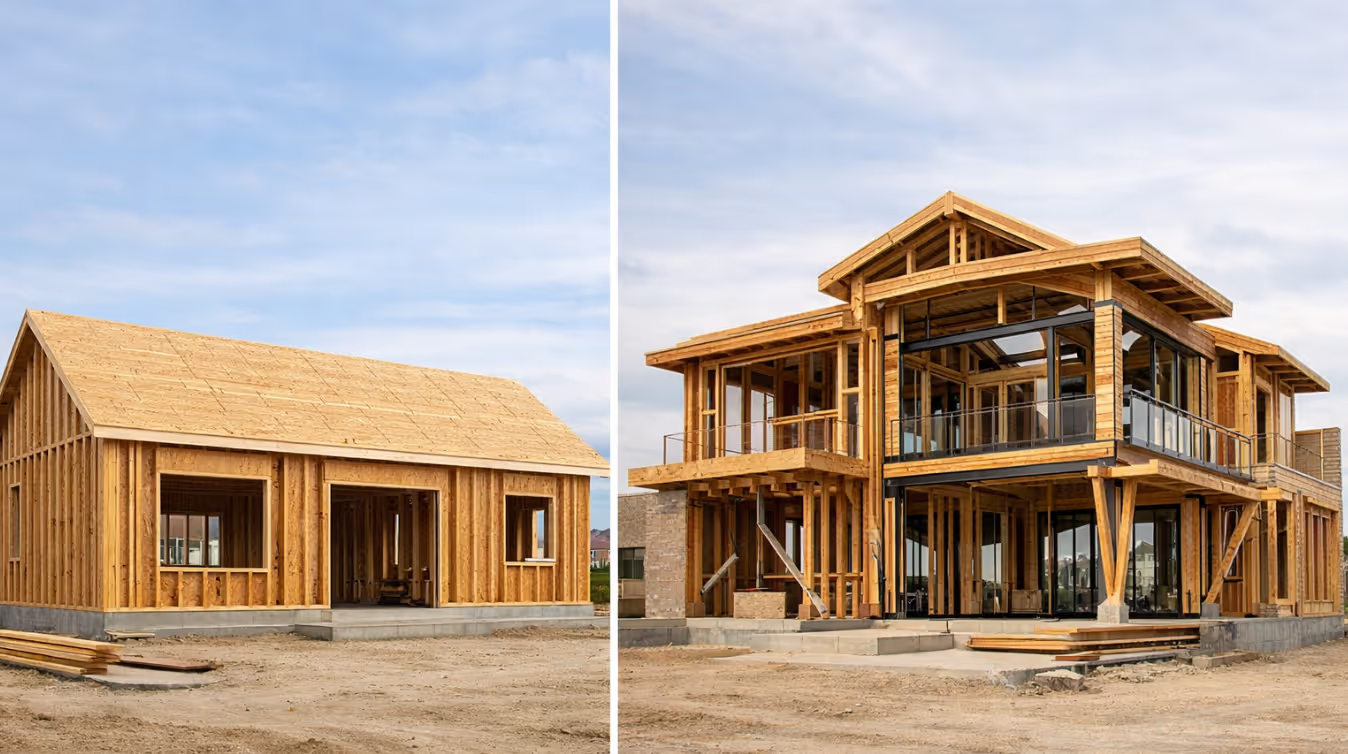
Two homes with the same square footage can have very different costs. Design complexity, level of detail, site conditions, and finish selections all influence pricing beyond size alone.


Costs & Budgeting
Clear, detailed explanations of what high-end residential construction costs, how budgets are built, and how to interpret pricing
A Control Estimate is a detailed construction budget built from real subcontractor bids and defined scope. It replaces assumptions with actual pricing, creating a reliable foundation for managing cost throughout the project.
Budget overruns typically result from incomplete information, unrealistic assumptions, and late decisions. Understanding these risks early and managing them through a structured process helps maintain control and avoid surprises.
Construction budgets change as projects move from early assumptions to detailed pricing and real-time tracking. Understanding this evolution helps set realistic expectations and keeps cost control aligned with design decisions.
A realistic construction budget includes more than visible building costs. It must account for soft costs, site conditions, allowances, and evolving scope. Missing these categories is a common reason projects exceed expectations.
Price per square foot is a rough comparison tool, not a reliable budgeting method for custom homes. It ignores design complexity, material quality, and construction conditions, which are the primary drivers of actual cost.
Allowance placeholders in early estimates can make a budget look more certain than it is. Understanding where allowances appear, how they shift, and when they should be replaced helps prevent costly surprises later.
A conceptual budget gives an early cost range based on historical project data, preliminary scope, and assumptions. It is useful for planning, but it is not precise enough to function like a bid-backed estimate.
Two homes with the same square footage can have very different costs. Design complexity, level of detail, site conditions, and finish selections all influence pricing beyond size alone.
Cost-Plus Explained
A transparent explanation of cost-plus construction, how it works, and why it is used for serious residential projects.
Financial reporting in a cost-plus project provides continuous visibility into spending, committed costs, and predicted final cost. Structured updates, draw requests, and documentation ensure no surprises and full transparency throughout construction.
Changes in cost-plus projects are tracked through a structured, multi-step process from idea to approved cost. Fixed price projects typically handle changes in a single step, often leading to reactive pricing and negotiation.
Subcontractor bidding in a cost-plus project is structured through detailed bid packages, competitive pricing, and transparent review. This process ensures clear scope, fair comparisons, and client involvement before any costs are committed.
Open book construction means full visibility into costs, decisions, and processes. It goes beyond sharing invoices to include budgeting, bidding, supervision tracking, and real-time financial reporting.
Builder fees in a cost-plus agreement typically include a percentage-based management fee and separate project supervision costs. Both are essential to coordinating the project, managing trades, and ensuring quality execution.
Cost-plus is not inherently more expensive than fixed price. Differences in total cost usually come from scope, assumptions, and transparency, not the contract type itself.
Cost-plus and fixed price contracts differ in how they handle cost, risk, and flexibility. Cost-plus tracks actual costs with transparency, while fixed price locks in a number upfront but relies on assumptions.
How the Process Works
A step-by-step breakdown of how architect-led residential projects move from concept through construction.
Project closeout includes completing punch list items, final coordination, and transitioning into a two-year warranty period. This phase ensures the home is finished properly and performs as intended after move-in.
Construction decisions are shared across the architect, builder, and homeowner. Each role contributes different expertise, with the homeowner making final decisions based on coordinated input from the full team.
Construction is an active, decision-driven phase with regular meetings, ongoing selections, and coordinated progress. Understanding the rhythm of the build helps reduce uncertainty and keeps the project aligned with your vision.
The bidding phase defines scope in detail, gathers competitive subcontractor pricing, and aligns costs with client expectations. This process reduces scope gaps and ensures informed, transparent trade selection before construction begins.
High-end renovations and custom homes take time due to design, planning, and construction complexity. Preconstruction alone can take 6�12 months, with construction timelines varying based on scope, scale, and decision-making.
Design decisions directly affect both cost and schedule. Early, consistent decisions improve efficiency, while late changes or reversals increase cost, delay progress, and disrupt project momentum.
A builder should be brought into the design process early, during initial design development. Early involvement aligns cost with design decisions and creates a more efficient, transparent path to construction.
Preconstruction includes design development, budgeting, bidding, and planning before construction starts. This phase aligns scope, cost, and expectations, reducing risk and preventing costly surprises later.
Comparing Builders & Proposals
Guidance on how to evaluate contractors, compare proposals, and select the right team.
Not all builders are the right fit for a custom project. Early warning signs often appear in how they handle details, communication, and responsiveness to your specific goals and preferences.
Transparency in construction varies widely. True transparency includes full visibility into costs, scope, and decision-making, while others may present limited information that appears open but lacks depth.
A builder's budgeting process reveals how accurately costs are developed and managed. Evaluating transparency, scope definition, and bidding structure is more important than comparing final numbers alone.
For custom homes, meeting 2-3 builders is typical, but detailed bidding should come from one selected builder. Early price comparisons are unreliable without defined scope and often create confusion rather than clarity.
Choosing a builder requires more than reviewing price. Asking the right questions about experience, process, team, and assumptions helps identify fit and reduce risk before construction begins.
Fixed price and cost-plus proposals are fundamentally different and not directly comparable. To evaluate them fairly, scope, cost breakdown, and assumptions must be normalized before comparing totals.
Missing scope in a construction estimate often leads to change orders and cost increases. Identifying gaps early requires reviewing assumptions, clarifying exclusions, and aligning scope before construction begins.
A well-structured construction proposal evolves in two stages: an early conceptual budget that defines cost ranges and drivers, followed by a detailed control estimate built from real bids and clearly defined scope.
Lower construction bids often reflect differences in assumptions, workload, or estimating quality. They may exclude scope, rely on unrealistic allowances, or be intentionally underpriced, creating risk of higher costs later.
Common Problems & Mistakes
The most common issues that lead to cost overruns, delays, and poor outcomes, and how to avoid them.
Without a clear project management system, construction projects suffer from poor communication, missed decisions, cost overruns, and scheduling delays. Systems are essential for coordination, tracking, and accountability.
Choosing a builder based on the lowest price often leads to missing scope, unrealistic assumptions, and increased costs during construction. Evaluating process and completeness is more important than comparing totals.
Delaying finish selections disrupts construction sequencing, causes scheduling delays, and increases costs. Timely decisions are essential to keep the project moving efficiently and aligned with the build schedule.
Late design changes increase cost and extend schedules by causing rework, disrupting sequencing, and requiring additional coordination. The later a change occurs, the greater its impact on the project.
Poor communication leads to missed decisions, cost overruns, and project delays. Structured communication systems ensure clarity, accountability, and alignment throughout construction.
Allowances introduce uncertainty into construction budgets by replacing defined scope with placeholders. The more allowances included, the less reliable the total cost and the higher the risk of overruns.
Vague construction drawings lead to assumptions, inconsistent pricing, and costly changes during construction. Clear, detailed documentation is essential to align scope, control costs, and avoid surprises.
Starting construction before design is complete introduces cost uncertainty, coordination issues, and increased risk of rework. Fully developed drawings are essential to align scope, pricing, and execution.
Working With Architects
How builders and architects collaborate, and how clients benefit from a coordinated team.
A strong builder partner supports design intent, communicates clearly, and brings structure to cost and execution. Architects value builders who protect design while managing complexity and coordination.
Architects and builders collaborate continuously during construction to interpret details, resolve field conditions, and maintain design intent while balancing cost and practicality.
Building the right project team requires aligning experienced professionals who have worked on similar projects and can collaborate effectively. A coordinated team reduces risk, improves decisions, and keeps the project on track.
When design and construction are not aligned, projects face cost overruns, delays, and compromised outcomes. Disconnects between teams lead to rework, confusion, and loss of design intent.
Cost feedback integrated during design allows decisions to be evaluated in real time, reducing budget surprises and aligning scope with financial expectations before construction begins.
Architects and builders have distinct but complementary roles. The architect leads design and design intent, while the builder manages cost, construction, and execution. Clear roles prevent confusion and misalignment.
Early collaboration between architect and builder aligns design decisions with real costs, reduces assumptions, and allows options to be evaluated before construction, improving clarity and control.
Planning & Preconstruction
Deep dive into the planning phase that determines project success before construction begins.
Early planning reduces construction risk by replacing assumptions with decisions. The more clearly a project is defined before building begins, the fewer surprises, delays, and cost changes occur during construction.
Construction delays are often caused by decisions made too late. Key selections and layout decisions must be finalized before construction so systems can be installed correctly and without rework.
Preconstruction timelines vary widely depending on design complexity, site conditions, and decision-making speed. Most delays are driven by revisions, permitting, and incomplete information rather than the process itself.
Accurate construction pricing depends on how much of the project is clearly defined. The more decisions made before bidding, the more reliable and comparable the pricing will be across contractors.
Permit requirements vary widely across Main Line municipalities. Larger townships typically have more complex review processes, while smaller boroughs may be simpler but still require careful coordination and compliance.
Residential construction site showing grading excavation and subsurface conditions
High-end residential projects require a coordinated team of consultants including engineers, designers, and specialists. Each contributes critical detail that improves design clarity, pricing accuracy, and construction execution.
Making the Right Decision
Help clients determine whether they are ready to build and whether Clarity is the right fit.
Initial price can be misleading in construction. Clarity and transparency provide a more accurate understanding of cost, helping homeowners make informed decisions and avoid unexpected budget increases.
A well-managed construction project feels organized, transparent, and collaborative. The team communicates clearly, the site is orderly, and decisions are handled proactively, creating a more predictable and less stressful experience.
Choosing a builder starts with understanding your own priorities. The right fit depends on how you want to communicate, make decisions, and manage cost, not just the final price.
Complex construction projects require budget flexibility because costs evolve through hundreds of decisions. Small changes accumulate over time, making contingency planning essential for maintaining control.
Choosing between renovating and building new depends on tradeoffs between cost, flexibility, and complexity. New construction offers freedom but higher site costs, while renovations reuse existing infrastructure but introduce constraints and unknowns.
Homeowner involvement is a central part of a custom project. The more engaged you are, the more the final result reflects your priorities and the fewer surprises you will encounter during construction.
The right time to start a project is not determined by season. In the Philadelphia region, construction can begin year-round. The real factors are your readiness, your team, and how prepared your project is before starting.
Cost-plus construction works best for clients who value transparency, flexibility, and involvement. It is not ideal for those seeking fixed pricing or minimal engagement in the process.
Starting a custom home or renovation requires more than interest. It demands time, financial readiness, and the ability to make sustained decisions. This article helps you assess whether you are truly prepared for the process ahead.
Ready to Start Your Project?
Let's discuss whether Clarity is the right partner for your architect-designed residential project