How decisions are made during construction
Who decides what and when it matters
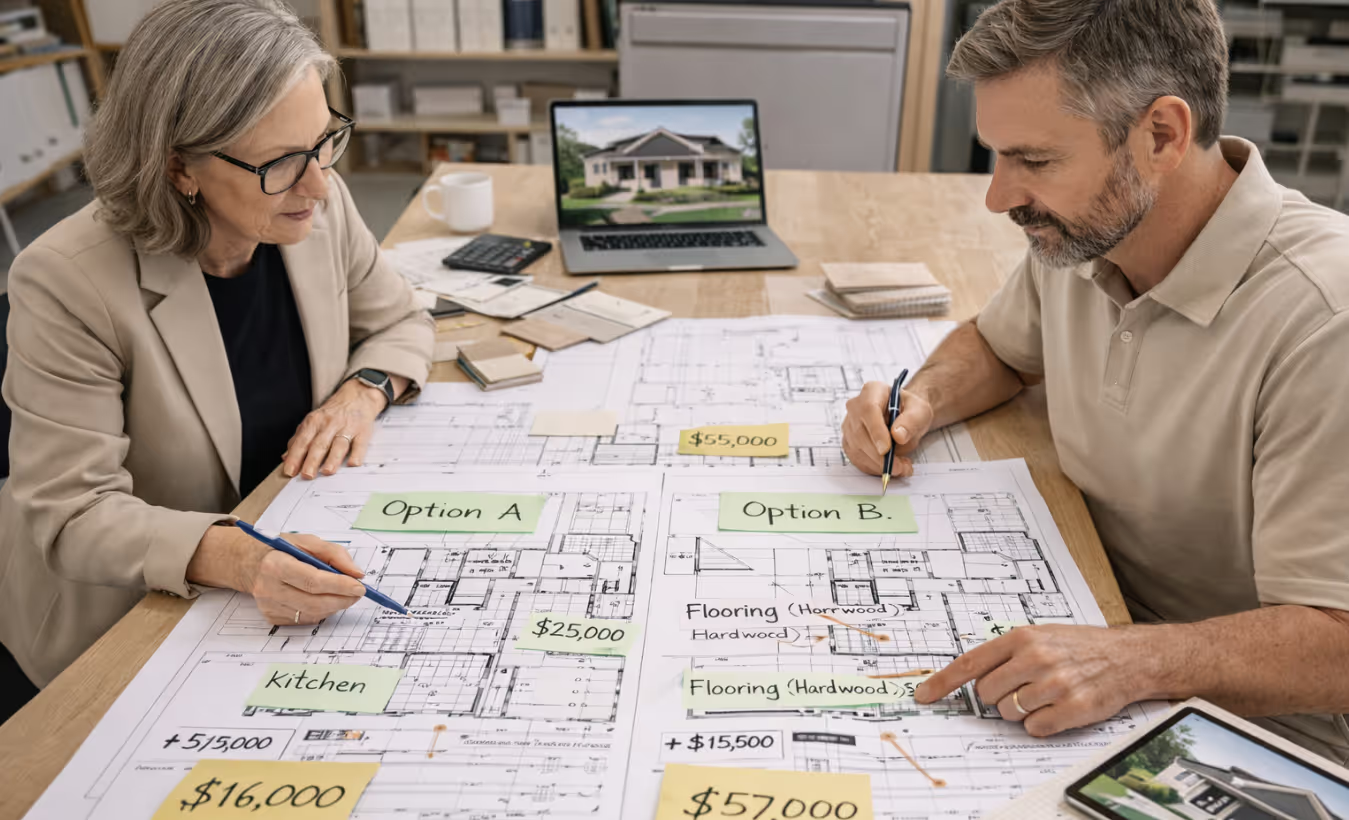
Decision-making during construction is a structured, collaborative process. Different members of the project team are responsible for different types of decisions, all contributing to the final outcome.
Understanding who handles what helps streamline communication, reduce confusion, and keep the project moving efficiently.
In this article
- Who is responsible for different types of decisions
- How decisions are made during construction
- What role the homeowner plays
- How coordination keeps the project on track
Context
Custom residential construction involves hundreds of decisions across design, cost, and execution. Without a clear structure, it can become unclear who to go to for answers.
A well-organized project defines roles clearly. The architect, builder, and field team each contribute expertise at different stages and for different types of decisions.
This creates a system where decisions are informed, coordinated, and aligned with the overall project goals.
The short answer
Design decisions are led by the architect, cost-related decisions are guided by the builder, and site-specific decisions are managed by the field team.
The homeowner reviews input from each and makes the final decision.
This structure ensures that decisions are informed by the right expertise at the right time.
How this works step by step
Before construction begins, the architect leads the design process. This includes layout, spatial relationships, and overall vision for how the home will function and feel.
During preconstruction, the builder contributes cost input. This helps align design decisions with the budget before construction begins.
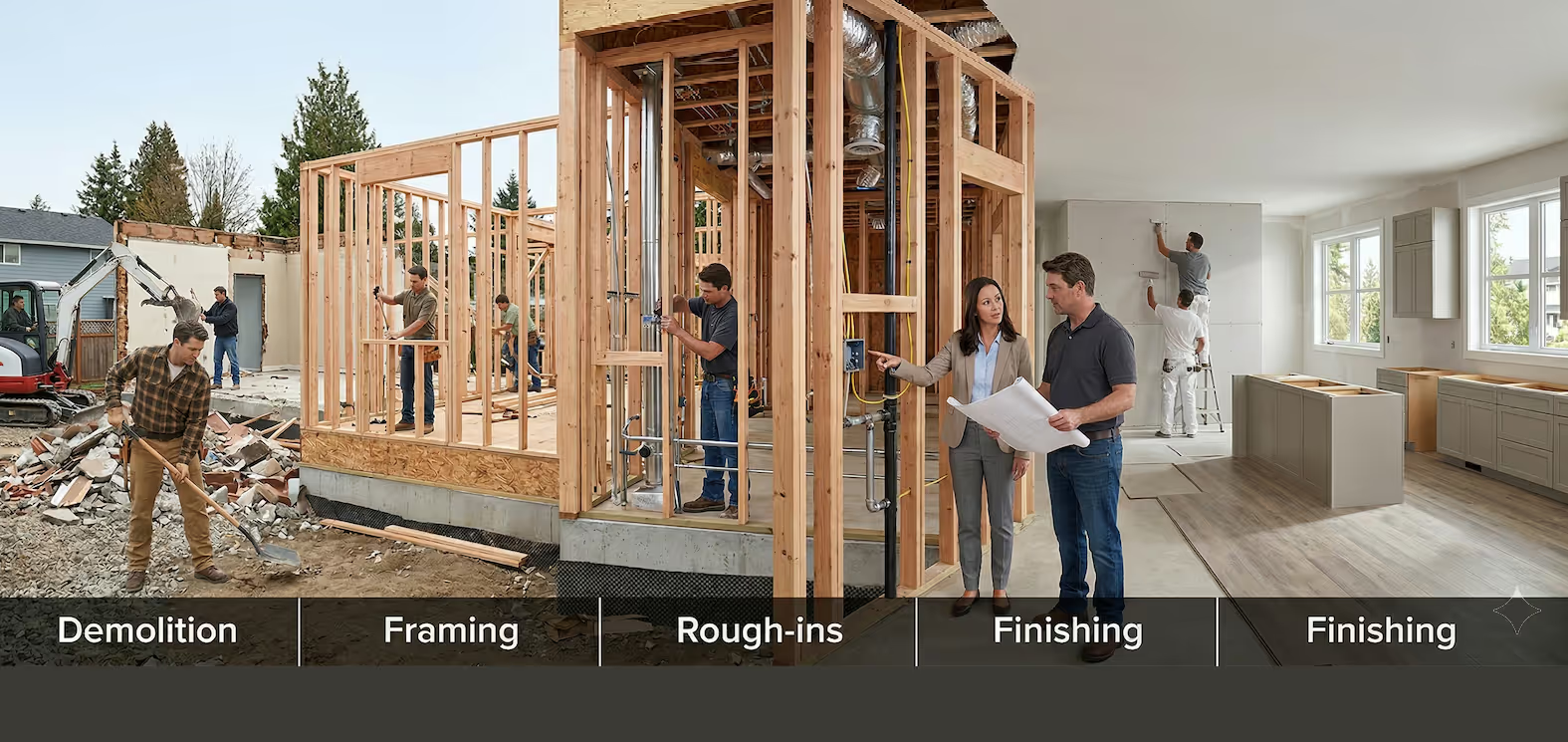
Once construction is underway, decisions continue but shift in nature. Some remain design-focused, while others become more practical and tied to site conditions and sequencing.
Weekly site meetings become the primary forum for discussing these decisions and coordinating input from the full team.
- Preconstruction design: Architect leads layout and vision.
- Cost alignment: Builder advises on financial impact.
- Construction phase: Decisions become more detailed and site-specific.
- Weekly meetings: Coordination and discussion of upcoming items.
Who is responsible for what
The architect is responsible for design intent. This includes decisions about layout, proportions, materials, and how spaces function. During construction, the architect may also weigh in on how design details are executed.
The builder's preconstruction team focuses on cost implications. They provide guidance on how design choices affect budget, helping the homeowner understand tradeoffs before decisions are finalized.
The field manager handles on-site decisions. These include layout confirmations, sequencing, coordination between trades, and material-specific questions that arise during construction.
Each role is distinct, but they work together to support the homeowner's decision-making process.
- Architect: Design, layout, and aesthetic decisions.
- Preconstruction team: Cost implications and budgeting.
- Field manager: Site conditions, sequencing, and execution details.
- Builder overall: Coordination across all phases.
What this means in practice
In practice, decisions often overlap. For example, selecting a window involves design considerations, cost implications, and installation details.
The architect may guide the design intent, the builder may explain cost differences, and the field manager may address installation constraints. Together, this creates a complete picture.
These discussions typically happen during weekly walkthroughs, where real conditions can be reviewed on site. Seeing the space in person helps clarify decisions that are difficult to visualize on drawings.
This process ensures that decisions are not made in isolation, but in context with the full project.
Why structure matters
Clear roles reduce confusion and improve efficiency. Knowing who to go to for specific questions avoids delays and miscommunication.
It also ensures that decisions are well-informed. Each team member brings a different perspective, and combining those perspectives leads to better outcomes.
Without structure, decisions can become fragmented, leading to inconsistencies or missed considerations.
A defined process keeps the project aligned and moving forward.
- Clarity: Everyone understands their role.
- Efficiency: Questions are directed to the right person.
- Better decisions: Input from multiple perspectives.
- Alignment: Reduces conflicting direction.
What the homeowner's role is
Ultimately, the homeowner is the decision-maker. The project team provides information, options, and recommendations, but the final choice rests with the client.
This means reviewing input from the architect, builder, and field team and making decisions based on a combination of design, cost, and practical considerations.
Every project is different, and the process is dynamic. Some decisions are straightforward, while others require more discussion and evaluation.
The key is engagement. Active participation ensures that the final result reflects the homeowner�s vision.
- Final authority: Homeowner makes the decision.
- Informed choices: Based on input from the team.
- Active role: Participation throughout construction.
- Unique process: Every project is different.
The Clarity perspective: how Clarity Building Group handles this
At Clarity, decision-making is structured but collaborative. The architect leads design intent, the preconstruction team provides cost guidance, and the field manager addresses site-specific execution.
Weekly site meetings are used to coordinate these inputs and review decisions in context. This allows homeowners to see the work in progress and make informed choices.
Clear communication ensures that questions are directed to the right team member, reducing confusion and maintaining momentum.
The goal is to create a process where decisions are supported, informed, and aligned, resulting in a project that reflects the client�s vision and priorities.