

Our Approach
The Difference Between Chaos and Clarity Is Coordination
Most construction problems don't come from poor craftsmanship. They come from the misalignment between drawings, budgets, trades, and expectations.
Custom residential construction works best when it is treated as a coordinated team effort. When everyone stays aligned, decisions improve, surprises decrease, and the process becomes far more predictable.
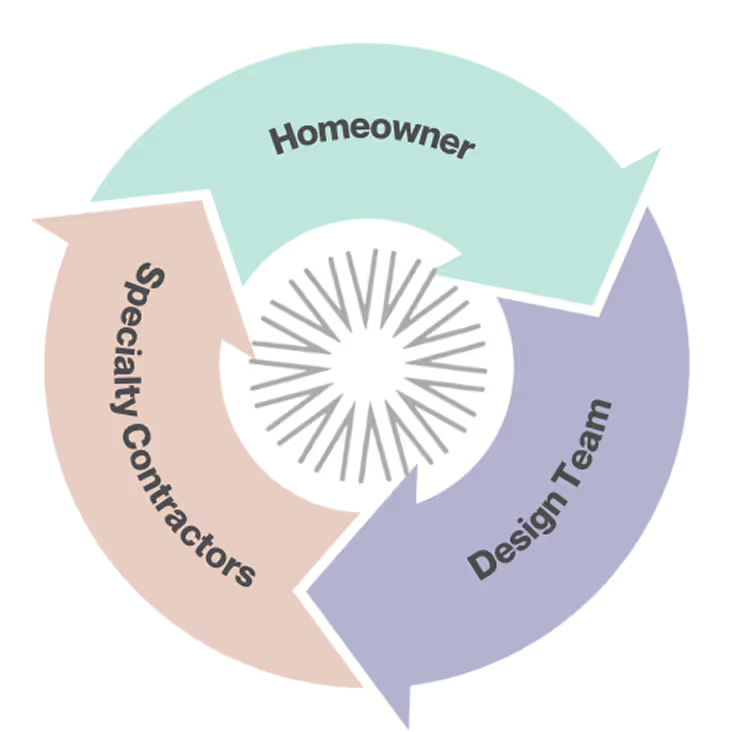
A Collaborative Process
Clear coordination turns a complex project into a manageable one.
What this means for you:
Fewer last-minute decisions. Fewer conflicting answers. Less stress.
Specialty Contractors
Even the best plans rely on careful craftsmanship in the field.
What this means for you:
Better scheduling. Higher quality. Proven teams you can trust.
Design-Led Execution
Our role is to execute the design, not reinterpret it.
What this means for you:
The home you envisioned on paper is the home that gets built.
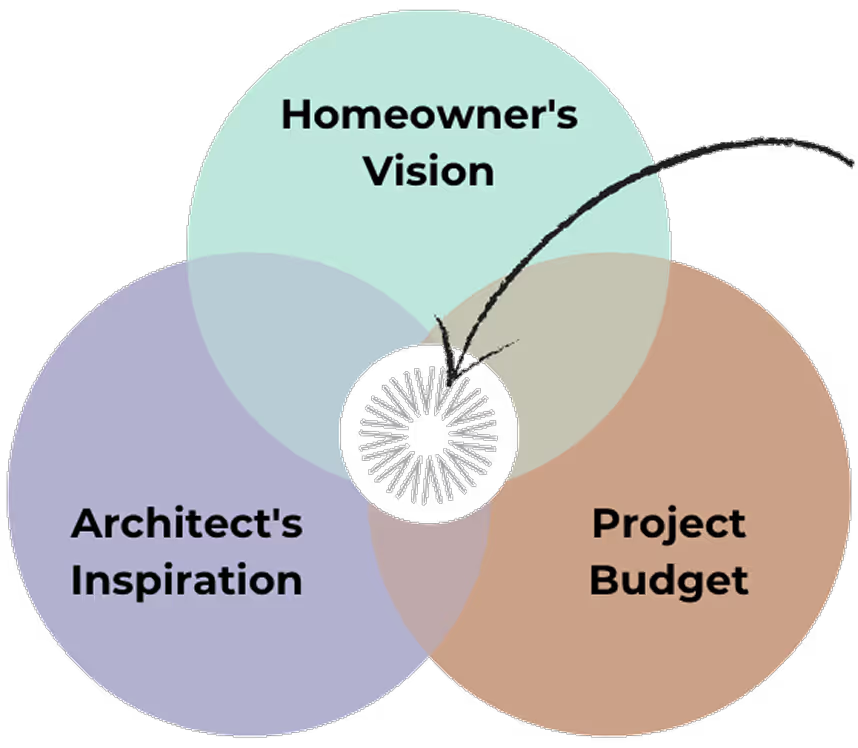
Where Vision, Design, and Budget Align
Every custom project exists at the intersection of three forces: the homeowner's vision, the architect's design intent, and the project budget. Favoring one at the expense of the others is where frustration, compromise, and surprises typically begin.
Our role is to steward that overlap, helping decisions remain aligned as the project evolves, so the process stays enjoyable and the outcome remains true to what was originally envisioned.
Clarity's objective
- Find cost effective solutions
- Maximize value for money
- Provide options & alternate ideas
- Explain the pros and cons for each approach
How do we know what this will really cost before we start?
The foundation of every successful project is laid before construction begins
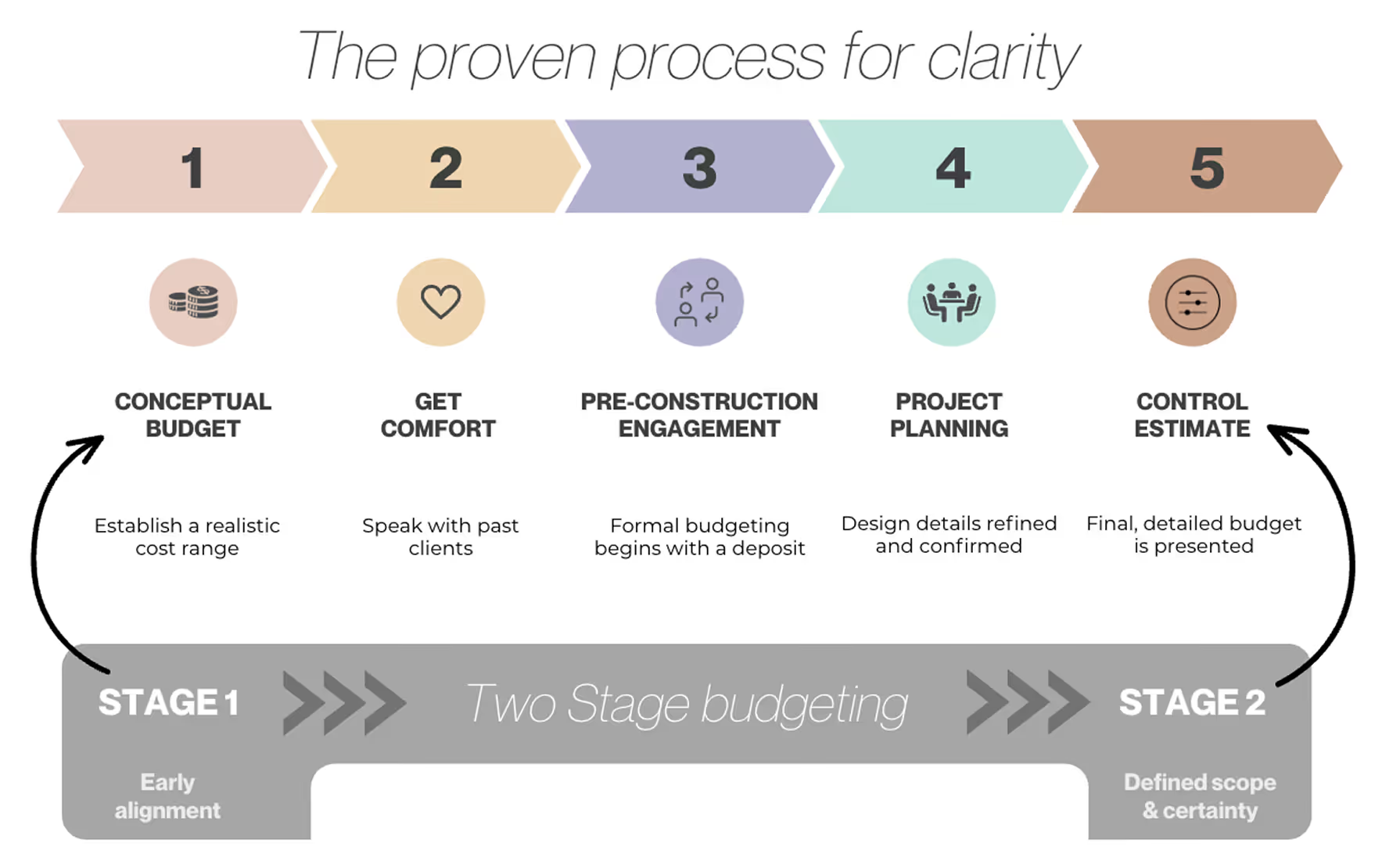
1. Conceptual Budget
- Prepared after the initial meeting
- Establish a realistic cost range
- Based on historical data, not bids
- Identify major cost drivers early
- Typical turnaround: 2–4 weeks
2. Get Comfortable
- Speak with past clients
- Visit completed projects
- Review workmanship and details
- Meet the project superintendent
3. Pre-Construction Engagement
- Deposit to start formal budgeting
- Contractor bids are solicited and reviewed
- Permits prepared
- Typical duration: 12–16 weeks
4. Project Planning
- Weekly coordination meetings
- Design details refined and confirmed
- Explore value engineering
- Selections finalized
5. Control Estimate
- Final budget is presented
- Cost-saving options evaluated
- Estimate revised as needed
- Ready to proceed with construction
Who is making sure the plan is followed once construction begins?
This is where disciplined oversight replaces assumptions.
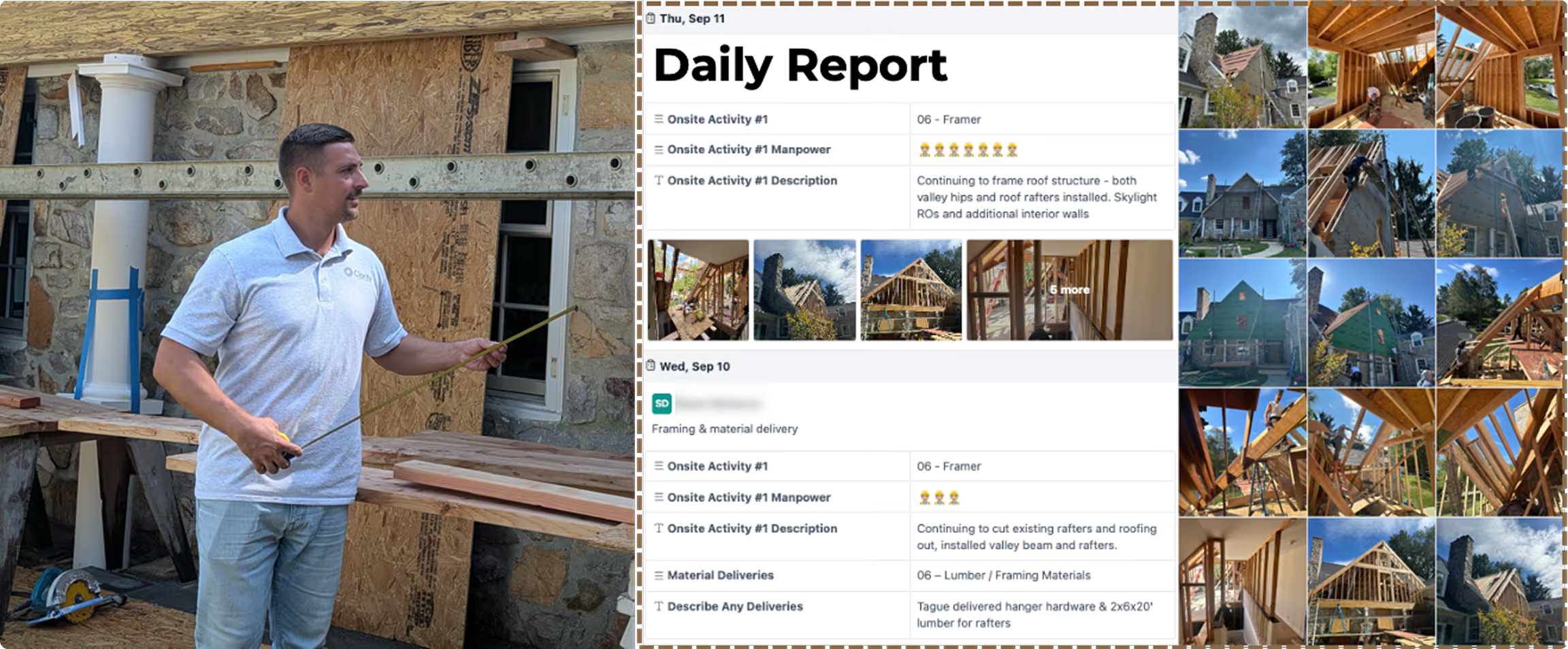
Field Manager Leadership
Each project is led by a dedicated Field Manager who owns daily coordination, quality, and schedule adherence.
Sequencing & Coordination
We orchestrate trades with precision, ensuring work flows logically and efficiently without costly delays.
Quality Control Systems
Detailed Daily Logs, Routine inspections, and documentation ensure work meets or exceeds standards.
Change Management
Every change is documented with cost and schedule impact before approval, maintaining budget integrity.
How will we stay informed without having to chase answers?
Transparency requires clear, consistent communication
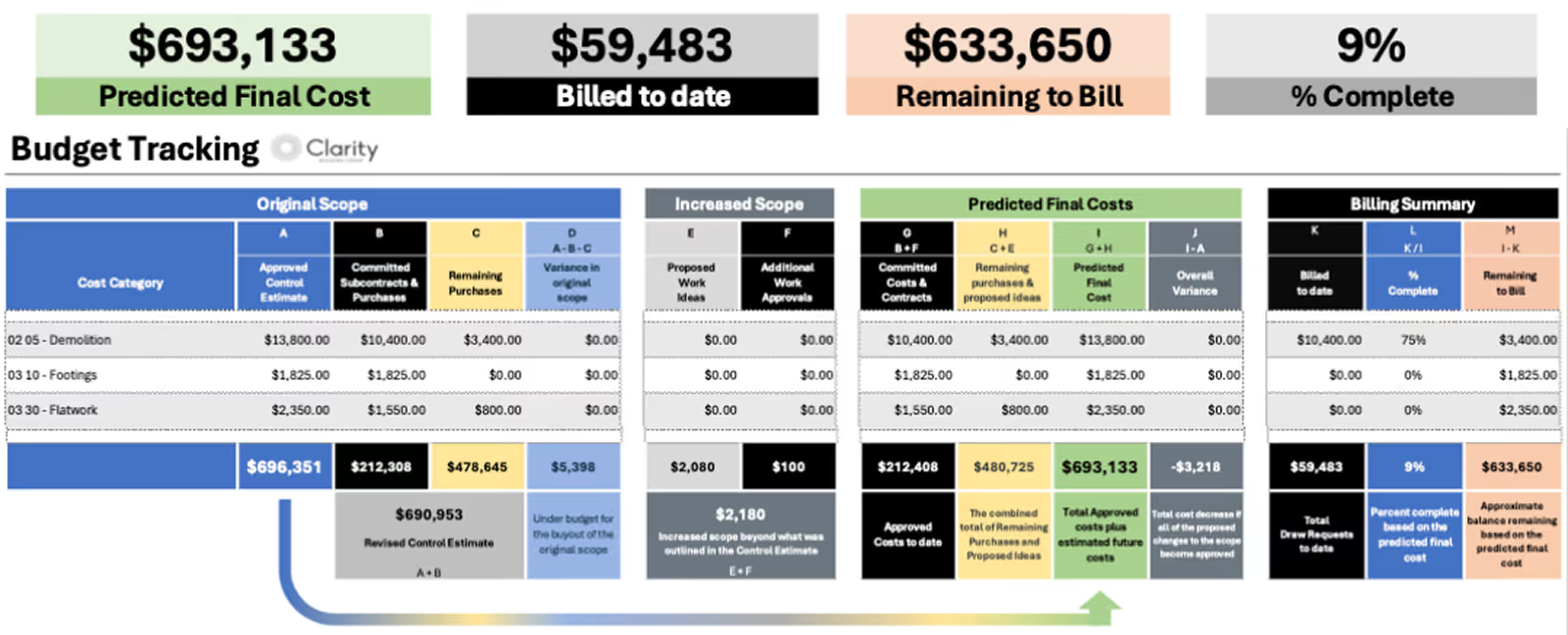
Financial Clarity
How we track, report, and control your money
- Monthly budget updates
- Continuous cost forecasting
- Shared copies of all invoices
- Open-book construction contract
- Multi-stage budgeting process
- Conceptual budget → Control estimate
Project Clarity
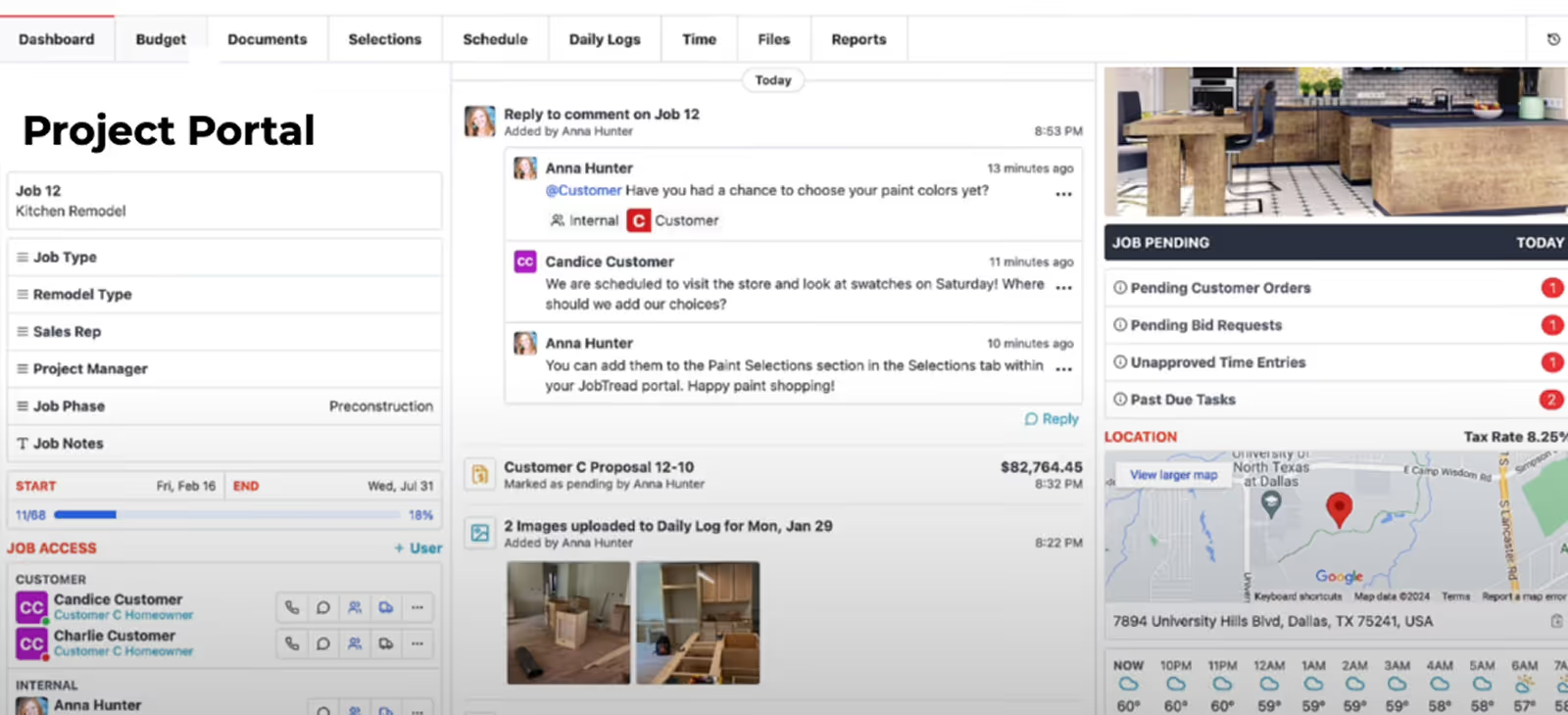
How work is coordinated, documented, and verified
- Daily reports with photos and notes
- Project Portal for real-time updates
- 24/7 jobsite cameras for constant visibility
- Online schedule updated throughout the project
- Three bids (or more) for every trade
- Bid packages that convey granular design intent
What happens after the project is finished?
Our relationship doesn't end at substantial completion

Warranty Mindset
Our two-year warranty is built into our subcontractor agreements, so everyone involved is accountable for delivering work that stands the test of time.
Project Close-Out
We thoroughly test and document all systems, providing training and manuals for operation and maintenance.
Ongoing Relationship
Our goal is to be your long-term builder. When something needs attention after you move in, we’re here to help.
Ready to Learn More?
Explore our cost-plus model or start a conversation about your project