How subcontractor bids are handled in a cost-plus project
How competitive bidding benefits the client
In a cost-plus project, subcontractor bids are not informal or loosely defined. They are structured through a deliberate process designed to create clarity, competition, and transparency before any work is awarded.
This process ensures that pricing is based on clearly defined scope and that homeowners understand exactly what they are paying for before costs are committed.
In this article
- How subcontractor bidding is structured
- Why detailed bid packages are critical
- How bids are compared and selected
- What role the homeowner plays in the process
Context
In many construction models, subcontractors may be selected based on existing relationships or preliminary pricing. This can lead to inconsistencies in scope, unclear assumptions, and difficulty comparing bids.
In a well-structured cost-plus project, the goal is different. The bidding process is designed to create alignment before pricing is received, not after. This reduces ambiguity and improves cost reliability.
The result is a process where pricing is competitive, scope is clearly defined, and decisions are made with full visibility.
The short answer
Subcontractor bids in a cost-plus project are based on detailed, predefined scope documents and are competitively priced by multiple trades.
Bids are reviewed side by side, with clear alignment in scope and pricing structure, allowing for accurate comparison and informed selection.
No work is awarded or funds committed without homeowner review and approval.
How this works step by step
The process begins with the creation of a detailed bid package for each trade. This package defines the scope of work, materials, specifications, and expectations in clear terms.
These bid packages are shared with the homeowner before they are issued to subcontractors. This allows the homeowner to review and weigh in on the details, ensuring that the scope reflects their priorities and that there are no hidden assumptions.
Once finalized, the bid packages are issued to multiple subcontractors. Each trade is pricing the same clearly defined scope, which is critical for meaningful comparison.
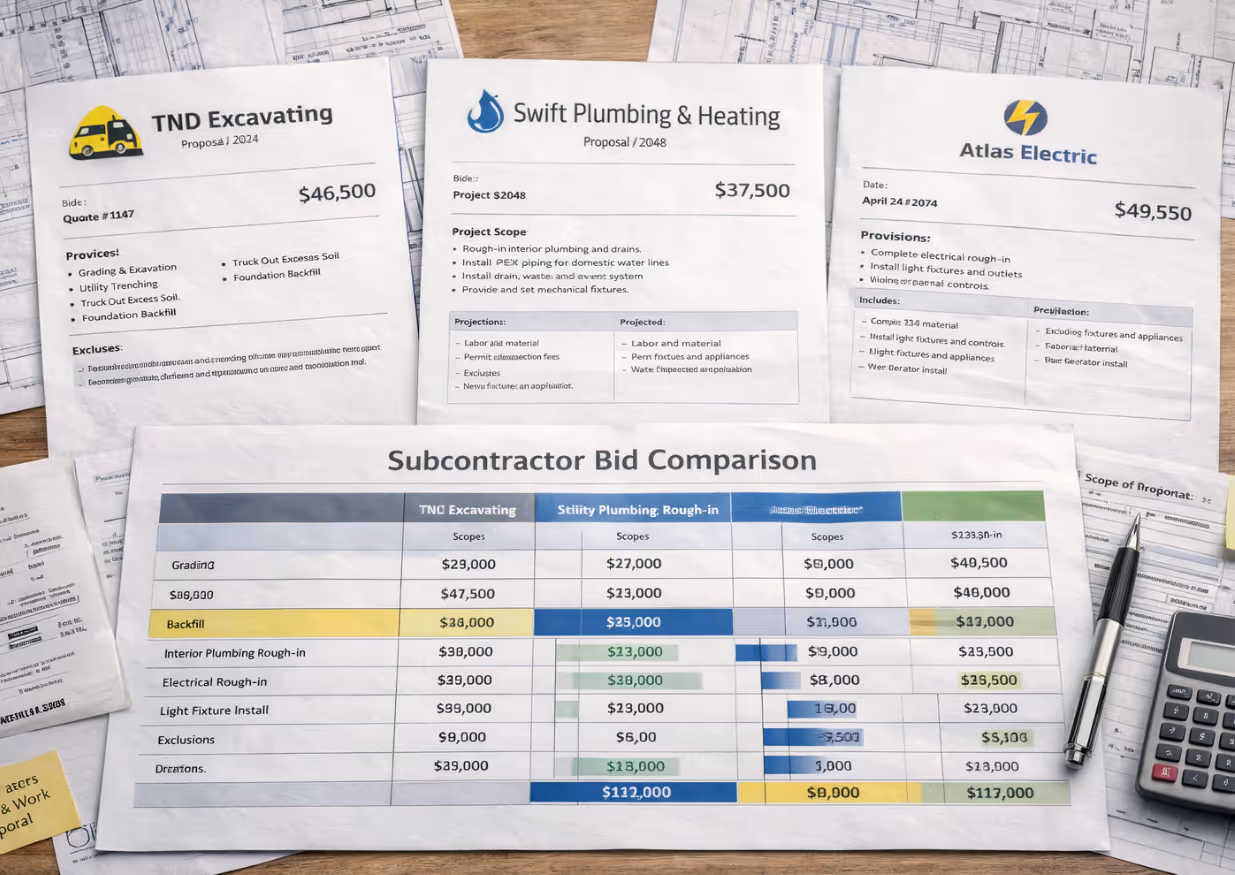
After bids are received, they are organized into a structured comparison. Because the scope and pricing format are aligned, this becomes a true apples-to-apples evaluation rather than a guesswork exercise.
- Bid package creation: Detailed scope defined before pricing begins.
- Client review: Homeowner input ensures alignment with expectations.
- Competitive bidding: Multiple subcontractors price the same scope.
- Bid comparison: Side-by-side evaluation based on consistent criteria.
Impact on cost and quality
This structured bidding process directly impacts both cost and quality. By requiring subcontractors to compete on clearly defined scope, pricing tends to reflect real market conditions rather than assumptions or gaps.
It also improves quality by setting expectations upfront. Subcontractors know exactly what is required, reducing the likelihood of misunderstandings or incomplete work.
Because no subcontractor is guaranteed the job, each one must earn the work through competitive pricing and demonstrated capability. This helps maintain accountability across the project.
The result is a more reliable budget and a more consistent level of execution.
Common misunderstandings
One common misunderstanding is that cost-plus projects do not involve competitive bidding. In reality, a structured cost-plus process often involves more rigorous bidding than other contract types.
Another misconception is that the lowest bid is always selected. In practice, bids are evaluated based on scope completeness, experience, and reliability, not just price.
Some also assume that subcontractors are pre-selected without competition. A transparent process ensures that no trade is guaranteed the work.
It is also important to understand that pricing is not finalized until bids are reviewed and approved. This reinforces that cost decisions are made collaboratively.
- Not informal: Bidding is structured and documented.
- Not price-only: Selection considers scope, quality, and reliability.
- No guaranteed work: Subcontractors compete for each project.
- Client involvement: Decisions are made with homeowner input.
What to prepare
Homeowners should be prepared to engage in the bidding process by reviewing bid packages and providing input before pricing begins. This helps ensure that the scope reflects their expectations.
It is also important to understand how bids will be compared. Clear documentation and structured comparison tools make it easier to evaluate options.
Homeowners should expect to participate in the selection process. Final decisions are typically made through consultation, balancing cost, quality, and project fit.
Finally, it is important to recognize that no money is committed without approval. This allows for informed decision-making at each stage.
The Clarity perspective: how Clarity Building Group handles this
At Clarity, subcontractor bidding is built around clarity and collaboration. Detailed bid packages are developed for each trade and shared with the homeowner before being issued. This ensures that scope is clearly defined and aligned with project goals.
Multiple subcontractors are invited to bid on each package, creating competitive pricing. No subcontractor is guaranteed the work, which helps maintain accountability and market-based pricing.
Once bids are received, a structured comparison is prepared so that proposals can be reviewed on an apples-to-apples basis. Selections are made in consultation with the homeowner, considering both cost and fit.
No funds are committed and no subcontractor is awarded without prior authorization. This ensures that every decision is transparent, deliberate, and aligned with the overall budget and project objectives.