Are you ready to start a custom home or major renovation project?
Key indicators that signal readiness

Starting a custom home or major renovation is not just a construction decision. It is a long, demanding process that requires time, focus, and emotional commitment.
Many homeowners are drawn to the creative side of the process, but fewer are prepared for the sustained effort required to carry it through to completion.
In this article
- What readiness actually means
- The financial reality of custom building
- The emotional and decision-making demands
- Who this process is for and not for
- How to evaluate your readiness
This process can be rewarding, but it is not simple. Understanding what it requires upfront helps avoid frustration later.
Readiness is less about enthusiasm and more about alignment between expectations and reality.
The short answer
You are ready to start a custom project when you understand the time, cost, and effort involved and are willing to commit to the process despite its challenges.
This includes accepting that the project is primarily about how you want to live, not about financial return.
Who it is for
This process is best suited for homeowners who value customization, are willing to invest time in decision-making, and want a home tailored to their lifestyle.
It is a creative process as much as a construction process. The outcome reflects personal priorities, preferences, and how you want to live day to day.
- Long-term mindset: You are building for how you want to live, not for short-term resale
- Appreciation for detail: You value craftsmanship, materials, and thoughtful design
- Willingness to engage: You are prepared to make ongoing decisions throughout the project
Custom elements like cabinetry, lighting, and layouts are designed specifically for your needs. These are not off-the-shelf solutions, but integrated parts of the home.
Who it is not for
This process is not a good fit for everyone. It can be frustrating if expectations do not align with reality.
- Return-focused mindset: If your primary goal is financial return, this process may not meet expectations
- Low tolerance for decisions: The volume of choices can become overwhelming over time
- Desire for simplicity: Custom projects involve complexity and ongoing coordination
It is common for costs to exceed initial expectations, and those costs are not always recoverable in resale value.
Custom construction should be viewed as a personal investment in how you live, not a financial transaction.
What it requires
The process demands sustained effort across multiple dimensions.
Planning takes time, often longer than expected. The number of decisions increases as the project progresses, and those decisions become more detailed and technical.
- Time commitment: Regular meetings, showroom visits, and design coordination
- Financial flexibility: Budgets are real constraints, and tradeoffs are unavoidable
- Decision endurance: The process can become mentally fatiguing over time
What begins as an engaging and creative experience often becomes more demanding as the project moves forward. By the middle to later stages, decision fatigue is common.
Showrooms present a constant challenge. There are always higher-end options available, and without discipline, it is easy to exceed the budget.
How to decide
Assessing readiness involves an honest evaluation of priorities and expectations.
- Why are you doing this: Is it about lifestyle and long-term satisfaction
- Are you prepared for the process: Time, decisions, and coordination
- Can you manage tradeoffs: Budget constraints will require compromises
- Do you have the right team: Architects and designers who can guide decisions effectively
There is no perfect moment to start, but there is a clear difference between being interested and being prepared.
Clarity on these questions helps determine whether now is the right time.
The Clarity perspective: how Clarity Building Group handles this
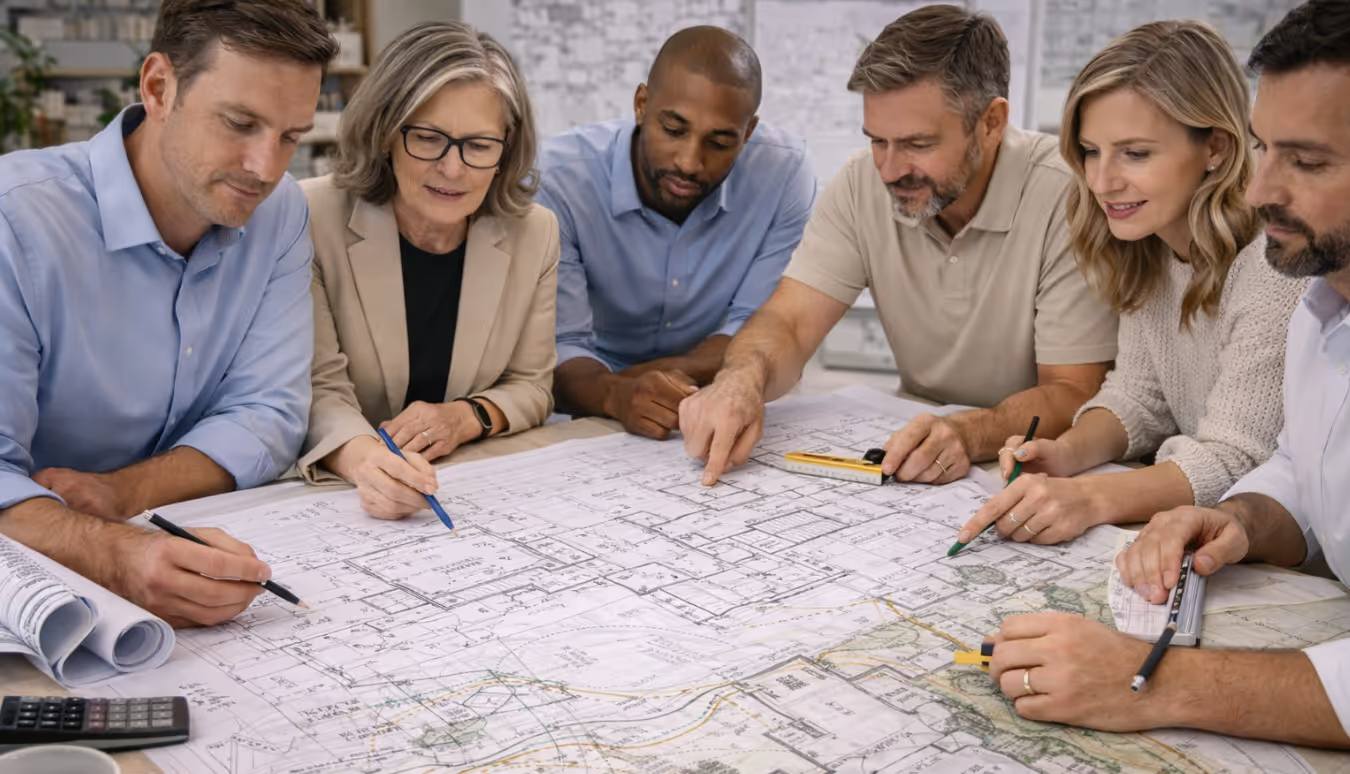
Projects begin with an emphasis on transparency about what the process requires. This includes time, cost, and the level of involvement expected from the homeowner.
During preconstruction, the team works to structure decisions and guide clients through the process in a manageable way. Selections are prioritized, and information is presented in a clear sequence.
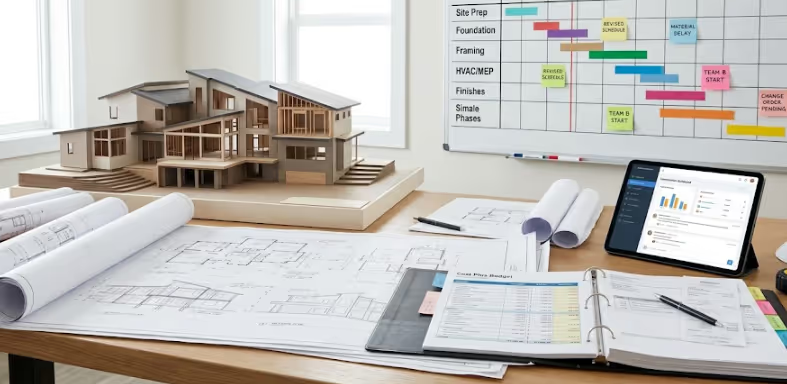
Budget tracking is continuous, helping clients understand the impact of their choices as they make them. This allows for informed tradeoffs rather than reactive decisions.
While the process is inherently demanding, a structured approach helps reduce overwhelm and keeps the project aligned with the client�s goals.