How builders support and protect architectural design intent
Translating design into built reality
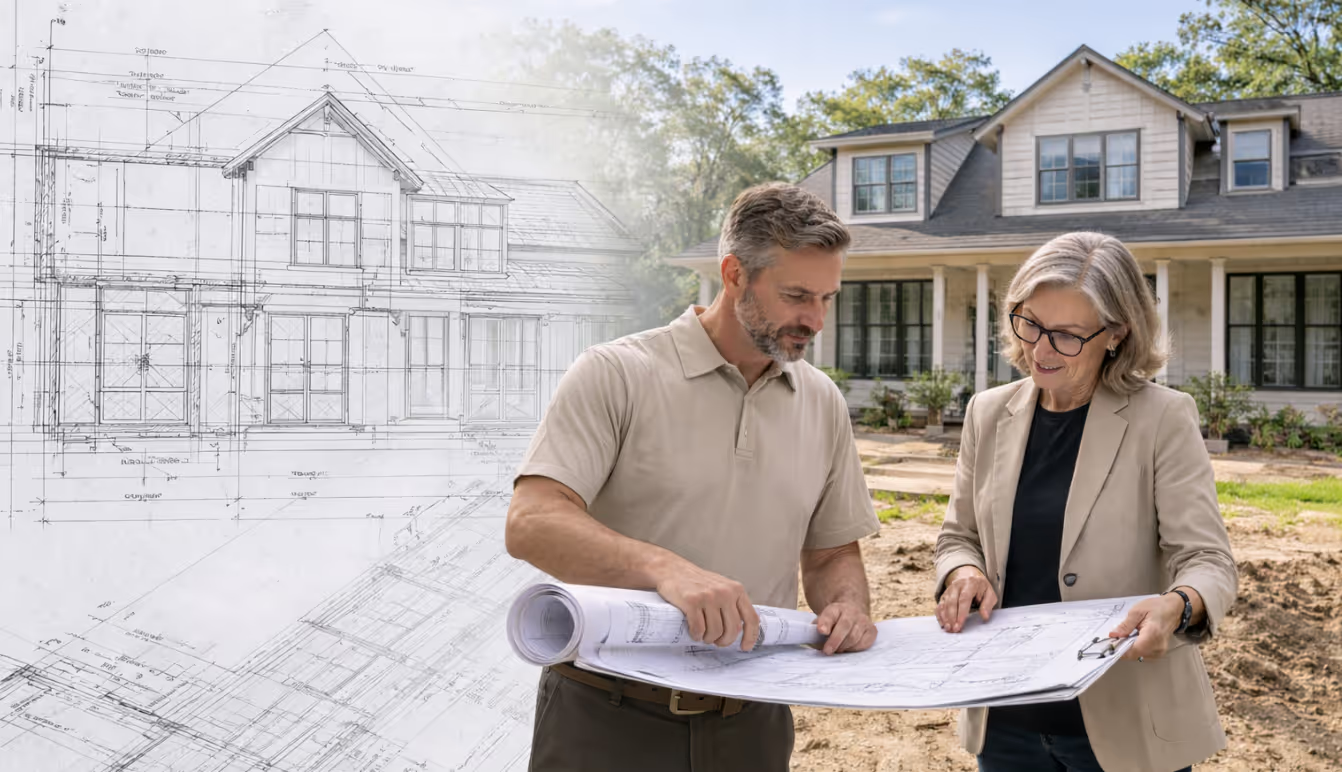
Architectural design intent represents the vision behind a custom home. Translating that vision into reality requires more than drawings. It requires careful execution, coordination, and decision-making during construction.
The builder plays a central role in protecting that intent, ensuring that what is designed is ultimately what gets built.
In this article
- What design intent means in practice
- How builders influence the final outcome
- Where design intent is most at risk
- How to maintain alignment during construction
Context
Architectural drawings define the design, but they cannot capture every detail of how a project will come together in the field. Construction introduces variables that must be managed carefully.
Without a builder focused on alignment, small deviations can accumulate, gradually shifting the project away from the original vision.
This is why the relationship between architect and builder is so important in custom residential work.
The short answer
Builders protect design intent by coordinating trades, managing details, and making decisions that align with the architect's vision.
Without this focus, design elements can be simplified, altered, or lost during construction.
The goal is to maintain consistency from drawing to finished project.
How this works step by step
Protecting design intent begins during preconstruction, where the builder works with the architect to understand the goals, materials, and level of detail required.
As the project moves into construction, the builder coordinates trades to ensure that each element is executed correctly and in alignment with the design.
Decisions that arise in the field are evaluated against the original intent, balancing practicality with design integrity.
This ongoing process ensures that the design is not compromised as the project progresses.
- Preconstruction alignment: Understanding design priorities early.
- Trade coordination: Ensuring accurate execution.
- Field decisions: Evaluated against design intent.
- Ongoing review: Maintaining alignment throughout construction.
Where design intent is most at risk
Design intent is most vulnerable during moments of decision and constraint. This includes cost pressures, schedule challenges, and coordination issues between trades.
In these situations, there may be a tendency to simplify or substitute elements to keep the project moving. Without careful oversight, these changes can alter the design.
Another risk comes from unclear documentation. If details are not fully defined, interpretation can vary.
These conditions require active management to maintain consistency.
- Cost pressure: Temptation to reduce scope or quality.
- Schedule constraints: Decisions made quickly.
- Coordination gaps: Misalignment between trades.
- Vague details: Open to interpretation.
What this means in practice
Protecting design intent requires attention to detail at every stage. This includes reviewing shop drawings, confirming material selections, and coordinating installations.
It also involves communication between the architect, builder, and homeowner. Decisions must be discussed and aligned before they are implemented.
When this process is followed, the final result reflects the original vision.
Without it, the project may drift over time.
Common mistakes
A common mistake is assuming that the design will automatically carry through construction without active oversight. In reality, many decisions made in the field can affect the outcome.
Another issue is making substitutions without fully considering their impact on the design. Even small changes can alter the overall effect.
Some projects also lack consistent communication between the architect and builder, leading to misalignment.
These patterns increase the risk of losing design intent.
- Passive execution: Not actively managing alignment.
- Unreviewed substitutions: Changes made without evaluation.
- Communication gaps: Limited coordination with architect.
- Detail loss: Small changes accumulate over time.
What to ask before moving forward
Homeowners should ask how the builder approaches design coordination and how they work with the architect during construction.
It is also important to understand how decisions are reviewed and approved, particularly when changes or substitutions are considered.
Reviewing examples of past projects can provide insight into how well the builder maintains design quality.
Clear answers to these questions help ensure alignment.
The Clarity perspective: how Clarity Building Group handles this
At Clarity, protecting design intent begins with early collaboration during preconstruction. The team works closely with the architect to understand the goals and details of the project.
Detailed bid packages and scope development ensure that subcontractors are pricing and executing the work consistently with the design.
During construction, ongoing coordination, site meetings, and documentation maintain alignment between design and execution.
This structured approach helps ensure that the finished project reflects the original vision, with decisions made thoughtfully and in context.