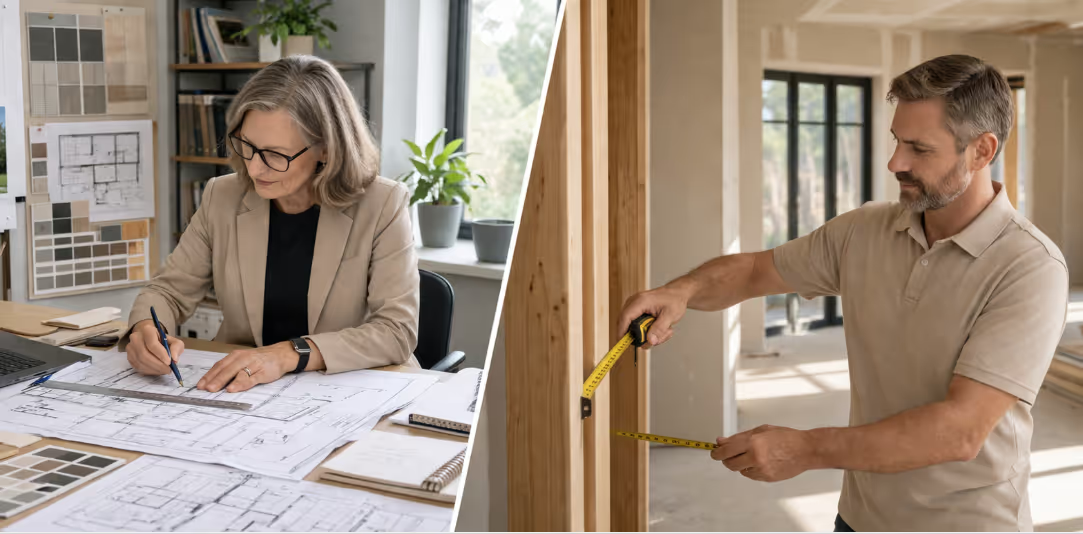
What does an architect-led project actually mean?
Understanding the structure of a design-driven team
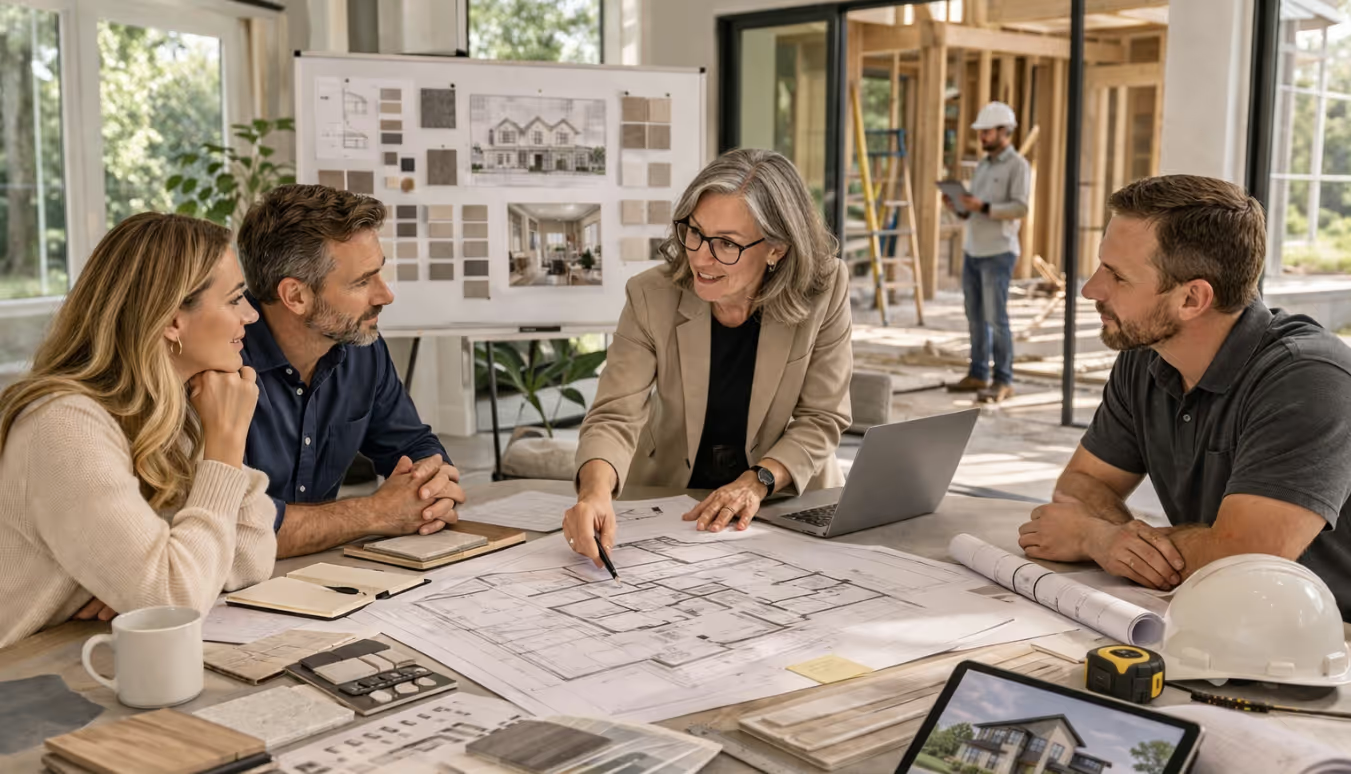
An architect-led project is a specific structure where the architect plays a central role in guiding the design and overall vision of the home. This approach is common in high-end custom residential construction.
Rather than the builder driving decisions, the architect leads the design process, with the builder supporting execution, cost control, and constructability.
In this article
- What defines an architect-led project
- How roles are structured between architect and builder
- Why this approach is used in custom homes
- How to evaluate if it is the right fit
Context
There are different ways to structure a construction project. In some cases, the builder leads the process. In others, the architect takes the lead.
In high-end custom homes, the architect-led model is often preferred because of the level of design detail and coordination required.
This structure allows design decisions to be fully developed before and during construction, with input from the builder on cost and feasibility.
The short answer
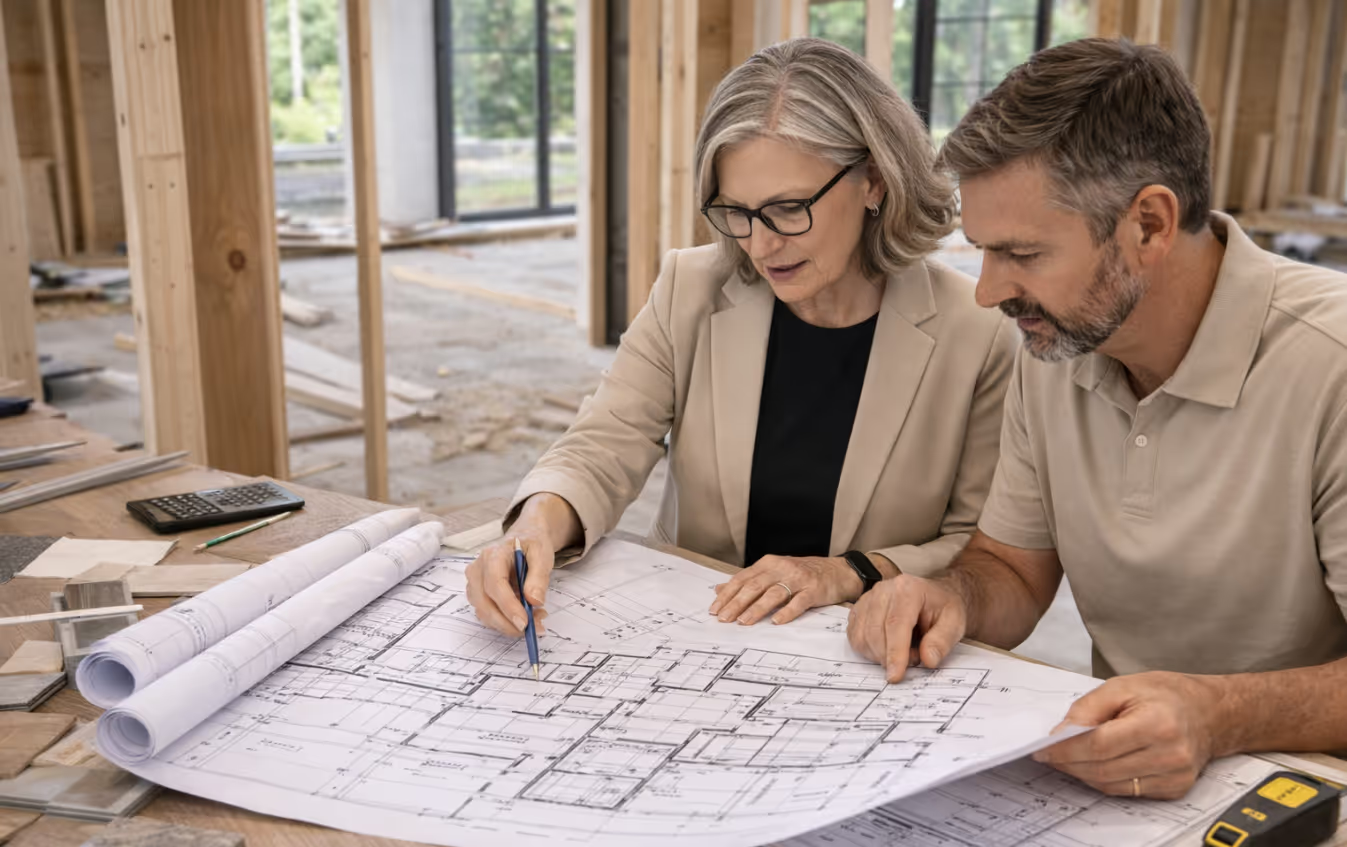
An architect-led project means the architect is responsible for guiding design decisions, while the builder manages cost, coordination, and construction.
The two roles work collaboratively, but with distinct responsibilities.
This structure prioritizes design quality and clarity.
Who it is for
This model is best suited for homeowners who value design, customization, and a collaborative process. It is common in projects where architectural detail and uniqueness are priorities.
Clients who want to be involved in decision-making and are comfortable with an evolving design process benefit from this approach.
It is also well-suited for complex projects that require coordination between multiple disciplines.
The more design-driven the project, the more relevant this structure becomes.
- Design-focused clients: Prioritize architecture and detail.
- Custom projects: Unique, non-standard homes.
- Collaborative mindset: Willing to engage in decisions.
- Complex scope: Requires coordination across teams.
Who it is not for
This approach may not be ideal for homeowners seeking a simplified or turnkey experience with minimal involvement.
Projects that prioritize speed or fixed pricing over design flexibility may align better with other structures.
Clients who prefer a single point of responsibility for all decisions may find this model more complex.
Understanding expectations is important before choosing this approach.
What it requires
An architect-led project requires clear communication and defined roles. The architect leads design decisions, while the builder provides input on cost, constructability, and scheduling.
The homeowner plays an active role, making decisions based on input from both parties.
This structure depends on collaboration. Each team member contributes expertise, and decisions are made collectively.
It also requires a structured process to manage information and maintain alignment.
- Defined roles: Architect leads design, builder supports execution.
- Collaboration: Ongoing communication between all parties.
- Active client role: Homeowner participates in decisions.
- Structured process: Systems to manage complexity.
How to decide
To determine if this approach is right, consider how important design is to your project. If architectural detail and customization are priorities, an architect-led structure provides the framework to support that.
It is also important to evaluate the relationship between architect and builder. Experience working together can improve coordination and efficiency.
Understanding how decisions will be made and communicated is key to a successful experience.
The goal is to align the project structure with your priorities and expectations.
The Clarity perspective: how Clarity Building Group handles this
At Clarity, projects are structured to support an architect-led approach, with the builder acting as a cost and construction advisor throughout the design process.
During preconstruction, Clarity works alongside the architect to provide budget guidance and develop detailed scope before construction begins.
Once construction starts, the team coordinates execution while maintaining alignment with the design intent.
This collaborative structure allows design, cost, and construction to work together, supporting a well-coordinated and clearly defined project outcome.