Why early collaboration between architect and builder matters
Aligning design and cost from the beginning
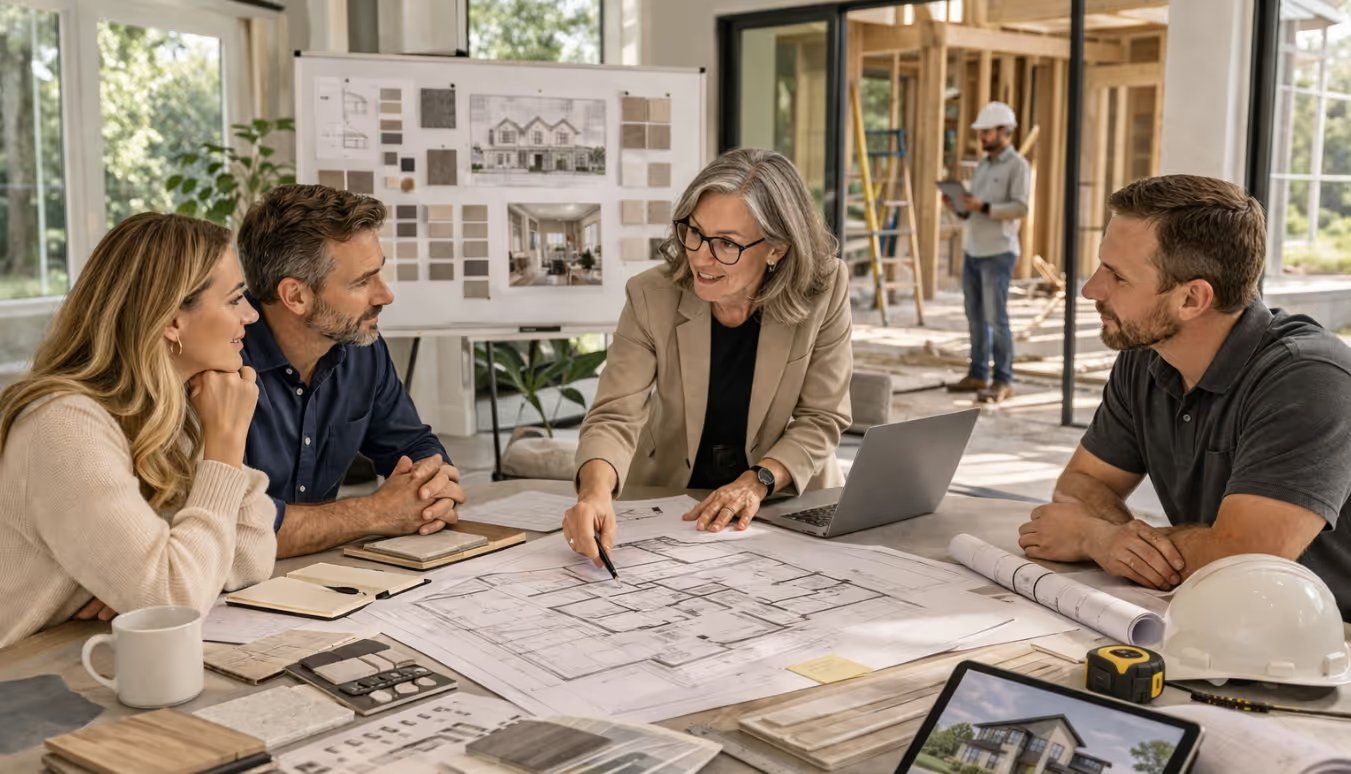
Early collaboration between the architect and builder is one of the most effective ways to align design vision with financial reality. When these two roles work together from the beginning, the project develops with both creativity and practicality in mind.
Without this collaboration, design and cost often move independently, creating gaps that must be resolved later, usually at a higher cost and with more disruption.
In this article
- Why early collaboration changes outcomes
- How design and cost are aligned
- The role of alternates and options in decision-making
- What happens without early builder involvement
Context
In many projects, the architect begins design work before a builder is involved. While this can work in simpler scenarios, it often creates challenges in custom residential construction.
Design decisions made without cost input may need to be revised later, leading to delays or compromises.
Bringing the builder in early creates a feedback loop where design and cost inform each other throughout the process.
The short answer
Early collaboration allows design decisions to be evaluated against real cost information, reducing surprises and improving alignment.
It enables the team to explore options and alternates before construction begins.
This leads to a more controlled and predictable project.
How this works step by step
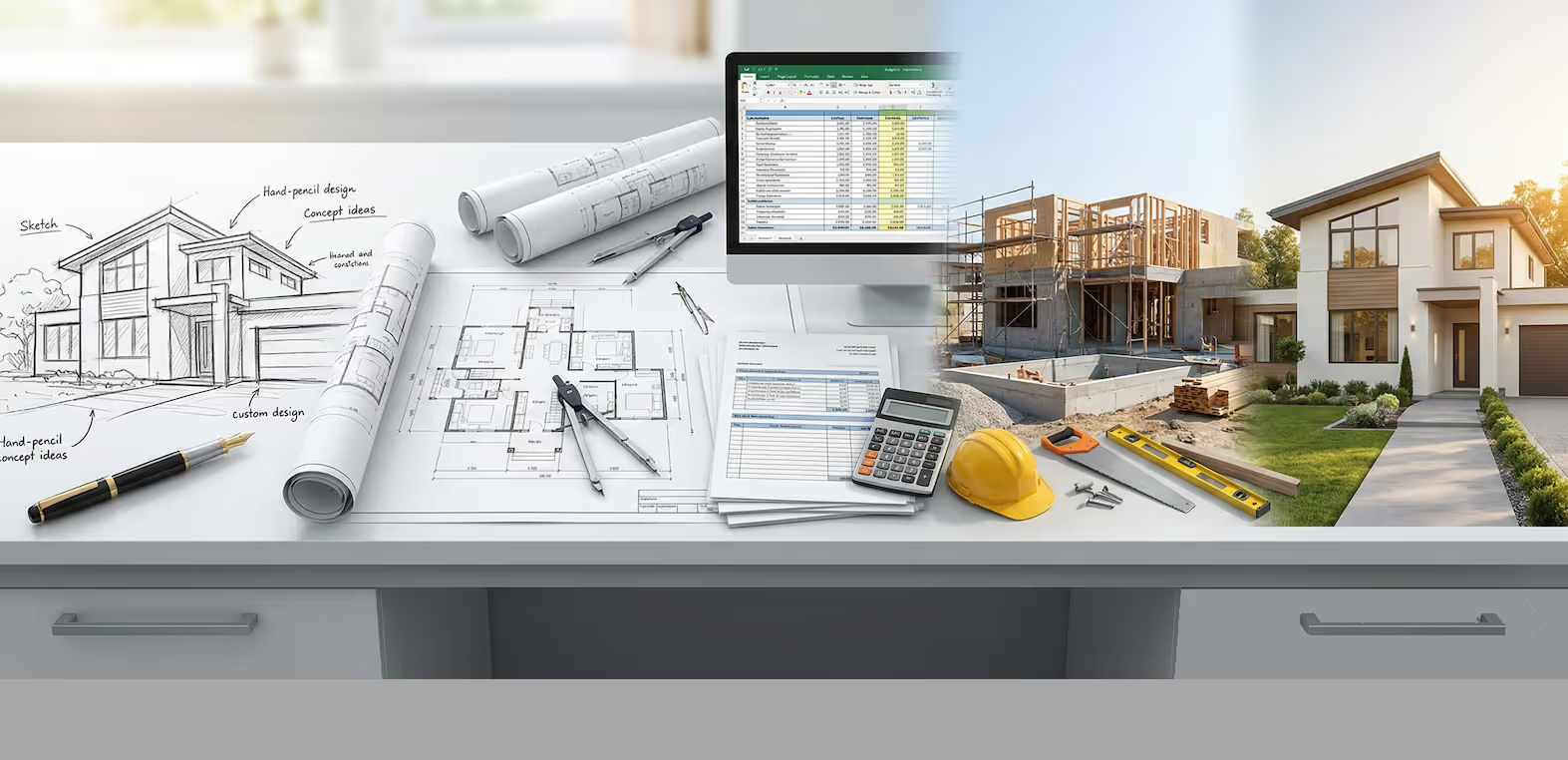
The process begins with the architect developing initial concepts while the builder provides high-level cost guidance. This helps frame the project within a realistic budget range.
As the design evolves, the builder refines pricing and identifies cost drivers, allowing adjustments to be made early.
Detailed scope is then developed through bid packages, where specific options and alternates are clearly defined and priced.
This creates a structured decision-making process before construction begins.
- Concept phase: Initial design with high-level cost input.
- Design development: Ongoing cost alignment.
- Option analysis: Pricing alternates and design choices.
- Defined scope: Clear decisions before construction.
How design and cost are aligned
When architects and builders collaborate early, design decisions are informed by cost implications in real time. This allows the team to prioritize elements that matter most to the homeowner.
Rather than reacting to budget issues later, the project is shaped proactively. Adjustments can be made when they are still easy and cost-effective.
This alignment reduces the need for value engineering during construction, which often compromises design intent.
It also creates a clearer understanding of what the project will cost before work begins.
- Real-time feedback: Cost informs design decisions.
- Prioritization: Focus on high-value elements.
- Fewer revisions: Reduced need for late changes.
- Clear expectations: Budget aligned with scope.
The role of options and alternates
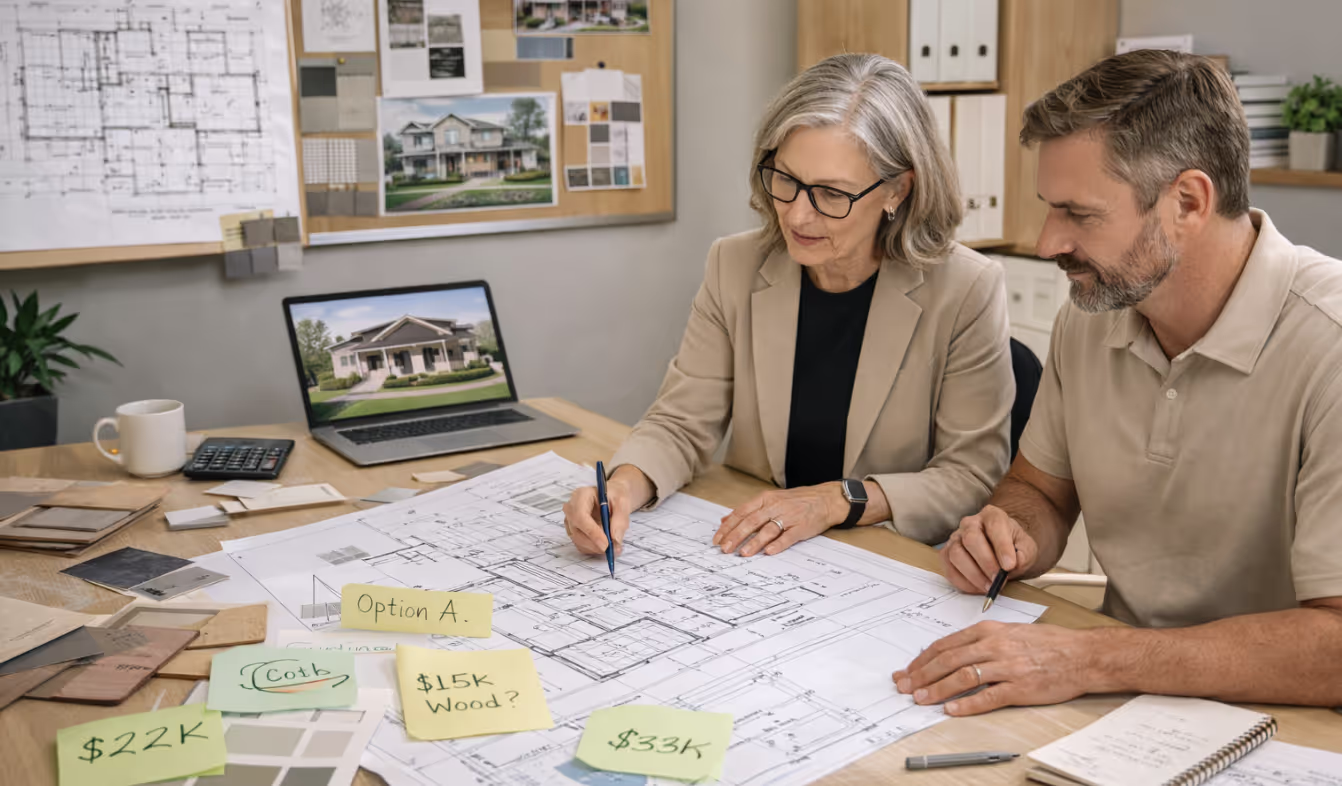
A key benefit of early collaboration is the ability to define and price design options and alternates before construction. This gives homeowners flexibility while maintaining control.
Instead of making decisions without cost clarity, the team can evaluate different approaches side by side. For example, material choices, system upgrades, or layout variations can be priced and compared.
These options are documented clearly, allowing informed decisions based on both design and cost.
This structured approach replaces guesswork with data.
- Defined alternates: Clear scope for each option.
- Side-by-side pricing: Compare costs directly.
- Informed decisions: Balance design and budget.
- Reduced uncertainty: Fewer surprises later.
What happens without early collaboration
Without early builder involvement, design decisions are often made without cost input. This can lead to budgets that do not reflect the actual scope of the project.
When pricing is eventually introduced, significant adjustments may be required. This can delay the project and create frustration.
Options and alternates may also be less clearly defined, making decision-making more difficult.
The process becomes reactive instead of proactive.
- Budget misalignment: Design exceeds financial expectations.
- Late adjustments: Changes required after design is complete.
- Limited options: Fewer structured comparisons.
- Reactive process: Decisions made under pressure.
What to prepare
Homeowners should be prepared to engage both the architect and builder early in the process. This includes being open to discussing budget alongside design.
It is also important to participate in evaluating options and alternates as they are developed. These decisions shape the project outcome.
Understanding that design and cost evolve together helps set realistic expectations.
This preparation supports a smoother and more controlled process.
The Clarity perspective: how Clarity Building Group handles this
At Clarity, early collaboration is a core part of the process. The team works alongside the architect from the beginning, providing cost guidance as design develops.
Detailed bid packages are used to define scope and create clearly priced options and alternates. This allows homeowners to make informed decisions before construction begins.
The result is a control estimate that reflects both the chosen design and real market pricing.
This approach aligns vision, cost, and execution, reducing risk and supporting a more predictable project outcome.