The full lifecycle of an architect-led construction project
From initial concept through final completion
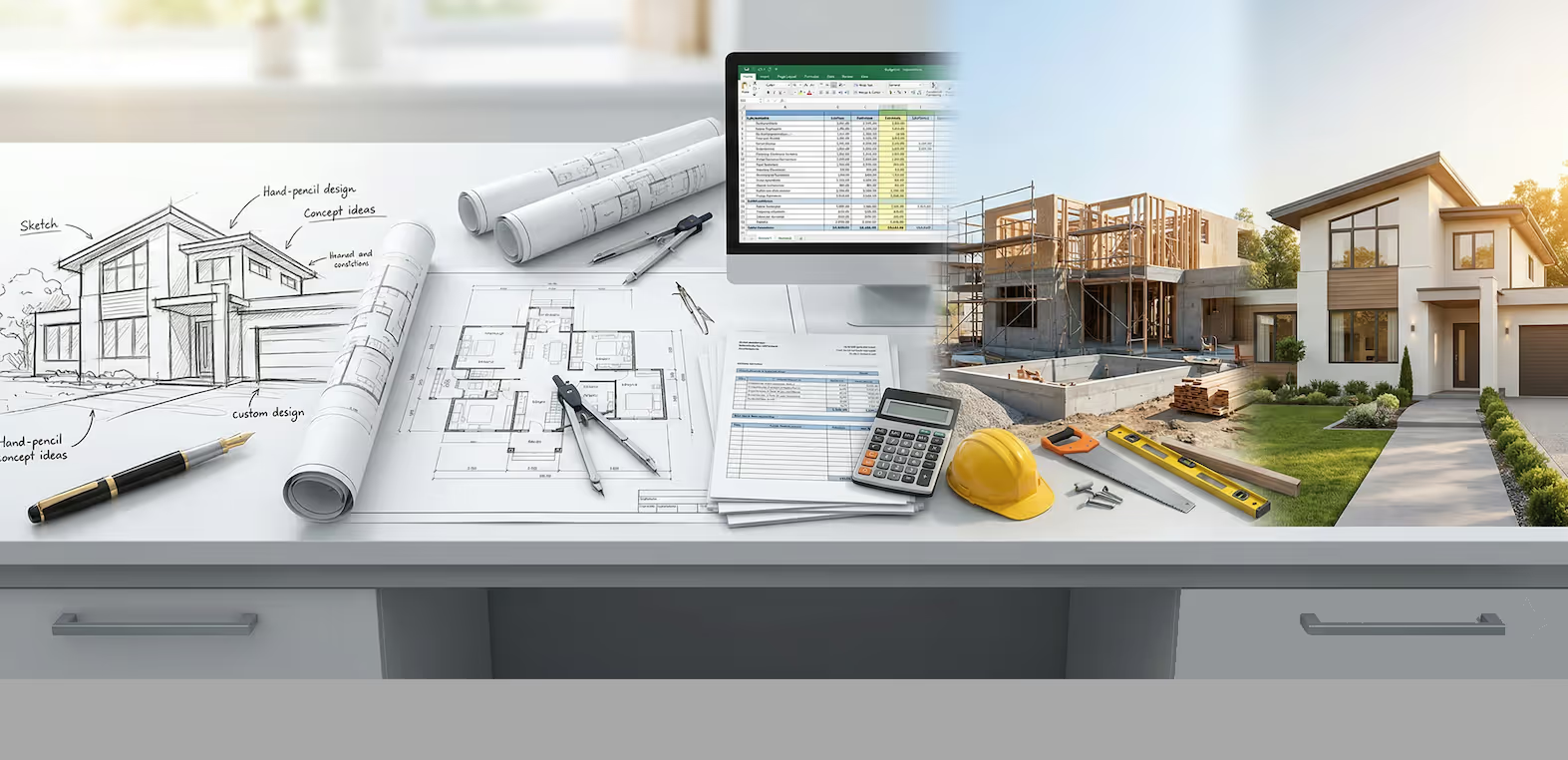
An architect-led construction project follows a clear progression from initial idea through design, planning, and construction. Each phase builds on the previous one, turning a concept into a completed home.
When this process is structured and collaborative, it reduces uncertainty, improves decision-making, and creates a more predictable and enjoyable experience from start to finish.
In this article
- How a project begins from an initial idea
- How the design and builder relationship develops
- When pricing becomes reliable
- How construction and decisions continue together
Context
Many homeowners assume construction starts with hiring a builder and getting a price. In architect-led projects, the process is more deliberate. Design, budgeting, and planning happen in stages before construction begins.
This approach avoids early assumptions and allows the project to be shaped thoughtfully. Each step adds clarity, reducing the risk of surprises later.
The result is a process where cost, design, and execution stay aligned from beginning to end.
The short answer
An architect-led project starts with an idea, moves through design and builder collaboration, develops into a detailed budget through bidding, and then proceeds into construction with ongoing coordination.
Each phase builds clarity before the next begins.
The outcome is a project where decisions are made intentionally, not reactively.
How this works step by step
The process begins with the homeowner. An idea forms, whether it is a renovation, addition, or new home. That idea is then explored with an architect, who helps develop it into a cohesive design.
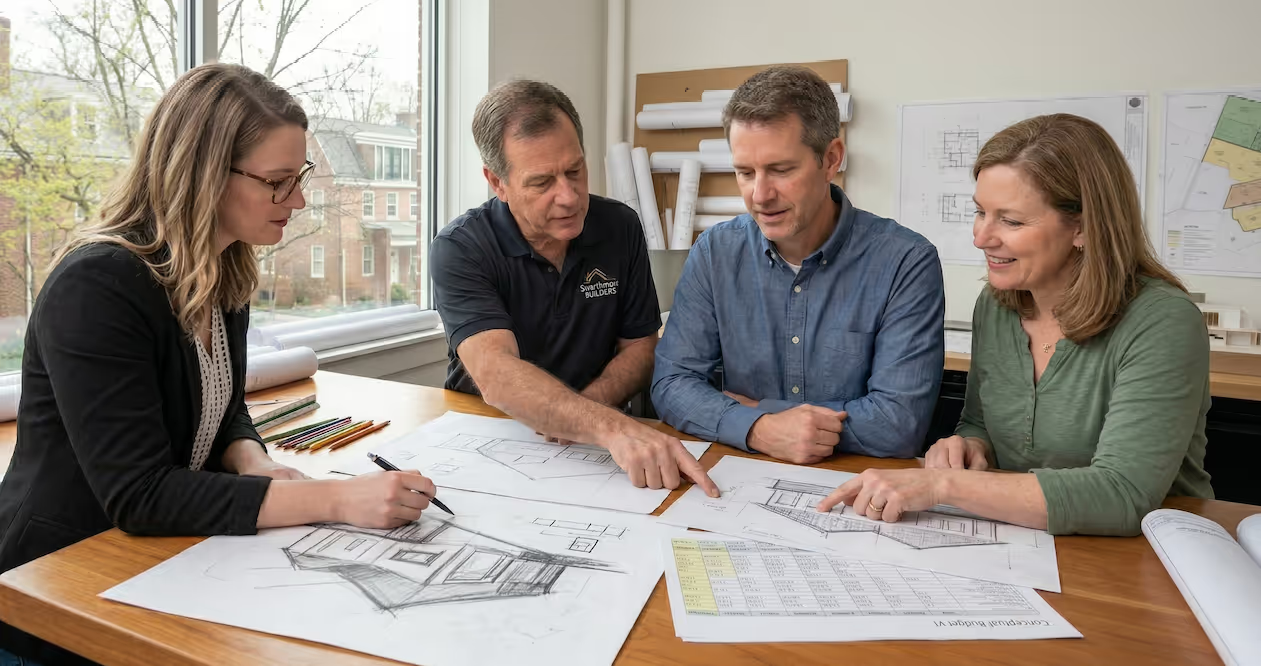
As the design begins to take shape, the architect often recommends builders who are a good fit for the project. The homeowner interviews these builders and selects one to engage during preconstruction.
At this stage, it is not about collecting multiple prices. The scope is still evolving, and early pricing comparisons are often unreliable. Instead, the focus is on selecting the right team.
Once a builder is selected, preconstruction begins. The architect continues developing the design while the builder provides cost guidance, helping steer decisions to stay aligned with the budget.
- Initial idea: Homeowner defines goals and vision.
- Architect engagement: Design exploration and development begins.
- Builder selection: One builder is chosen for collaboration.
- Preconstruction: Design and cost evolve together.
When pricing becomes real
As the design reaches a permit-ready level, the project moves into detailed pricing. At this point, the builder can define scope clearly and solicit bids from subcontractors.
Detailed bid packages are created so that each trade is pricing the same work. This allows for accurate and competitive bidding.
The builder then assembles a control estimate based on these bids. This becomes the benchmark cost for the project.
This stage is where pricing becomes reliable. It reflects real scope and current market conditions, not assumptions.
- Permit-ready drawings: Scope is clearly defined.
- Subcontractor bidding: Multiple trades provide pricing.
- Control estimate: Detailed budget based on real costs.
- Financial alignment: Design and budget are confirmed.
Construction and ongoing decisions
Once the control estimate is established and permits are in place, construction begins. The project moves from planning to execution.
Even during construction, the process remains active. Designs are refined, selections are finalized, and occasional changes are introduced as the space takes shape.
Because the process is structured, these decisions are handled in an organized way. Budget updates, change tracking, and ongoing communication keep everything aligned.
This is where collaboration matters most. The homeowner, architect, and builder continue working together to ensure the final result reflects the original vision.
Completion and outcome
As construction concludes, the project transitions into completion and closeout. Final details are addressed, and the home is prepared for occupancy.
If the final cost differs from the original estimate, it should reflect conscious decisions made _____ the project. Changes, upgrades, or refinements are tracked and approved along the way.
The goal is that nothing comes as a surprise. The final outcome is the result of informed choices, not unexpected cost shifts.
When the process is managed well, the experience is as important as the result. Homeowners understand how their home was built and how decisions shaped the outcome.
- Final execution: Construction is completed and detailed.
- Tracked decisions: All changes are documented and approved.
- No surprises: Final cost reflects known decisions.
- Clear outcome: Vision is realized through process.
The Clarity perspective: how Clarity Building Group handles this
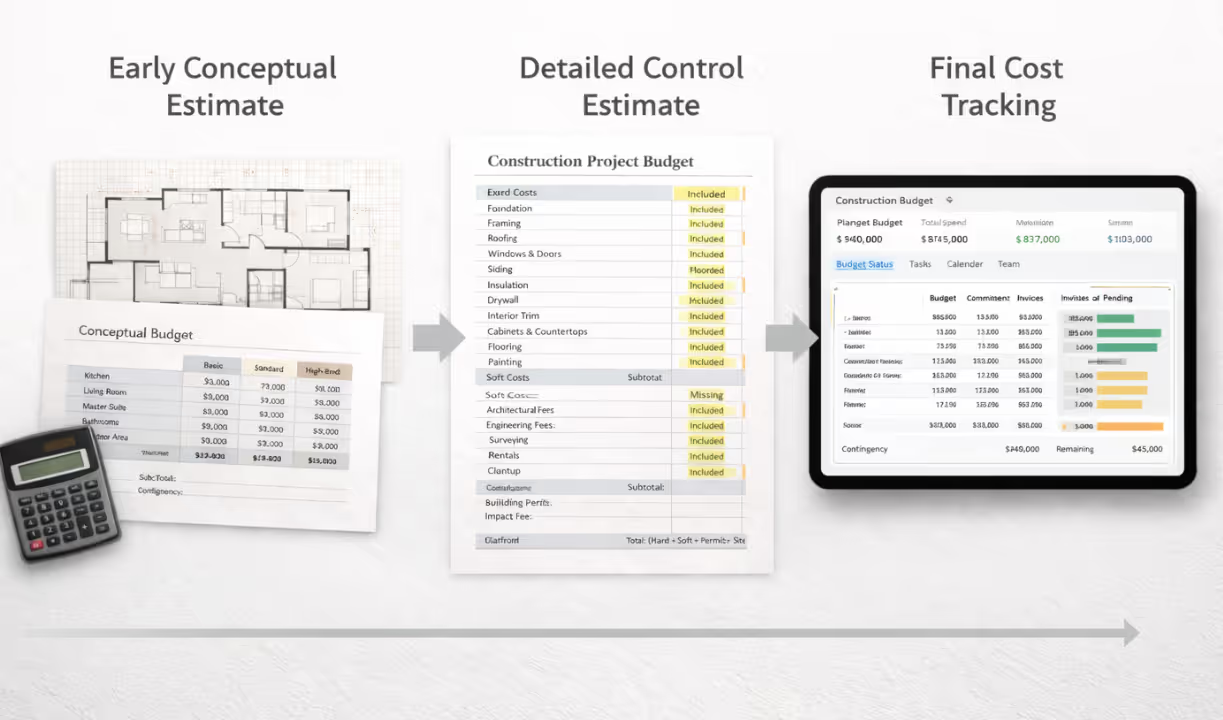
At Clarity, the full project lifecycle follows a structured, step-by-step process that aligns design, cost, and execution from the beginning. The process starts with early conceptual budgeting and evolves through preconstruction, where design and cost are developed together.
During preconstruction, Clarity acts as a cost consultant while the architect refines the design. Once drawings are ready, detailed bid packages are issued and multiple subcontractor bids are obtained to build a reliable control estimate.
Construction begins only after this alignment is achieved. Throughout the build, ongoing budget tracking, change management, and communication ensure that decisions are documented and costs are understood.
The result is a project where the final outcome reflects intentional decisions made during the process. When clients reach the end, they understand not just what was built, but how it was built and why each decision was made.