What makes a builder a strong partner for architects
The traits architects value most in a contractor

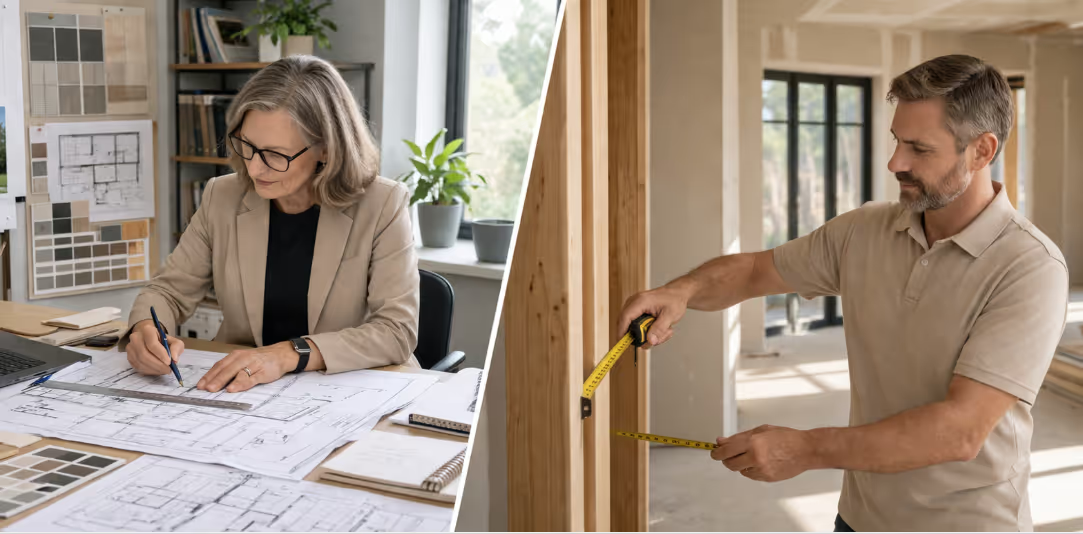
In architect-led projects, the relationship between the architect and builder is critical. A strong builder does more than construct the project. They act as a partner in bringing the design to life.
Architects value builders who understand their role, respect the design process, and contribute to a well-coordinated and predictable project outcome.
In this article
- The key traits architects look for in a builder
- How builders support the design process
- Why process and communication matter
- How to evaluate builder compatibility
Context
Custom residential projects require a high level of collaboration between architect and builder. The complexity of these projects means that no single party can operate in isolation.
Architects often recommend builders based on past experience. These recommendations are rooted in how well the builder supports the design and manages the construction process.
The right partnership improves both the process and the final result.
The short answer
Architects value builders who protect design intent, communicate clearly, and bring structure to budgeting and construction.
They look for partners who can execute complex work without compromising the design.
The relationship is based on trust, collaboration, and consistency.
Who it is for
This type of builder is best suited for architect-led projects where design quality and detail are priorities. These projects require a high level of coordination and communication.
Architects working on complex custom homes rely on builders who can manage this complexity while maintaining alignment with the design.
Homeowners who value design and a collaborative process benefit from this partnership.
The more detailed the project, the more important this relationship becomes.
- Design-focused projects: High level of architectural detail.
- Complex builds: Multiple systems and disciplines.
- Collaborative teams: Ongoing coordination required.
- Engaged clients: Active participation in decisions.
Who it is not for
Builders who prioritize speed over coordination or operate with minimal communication may not be a good fit for architect-led work.
Projects that rely on simplified processes or limited client involvement may not require this level of collaboration.
Architects typically avoid builders who do not engage with the design process or who resist coordination.
Alignment in approach is essential.
What it requires
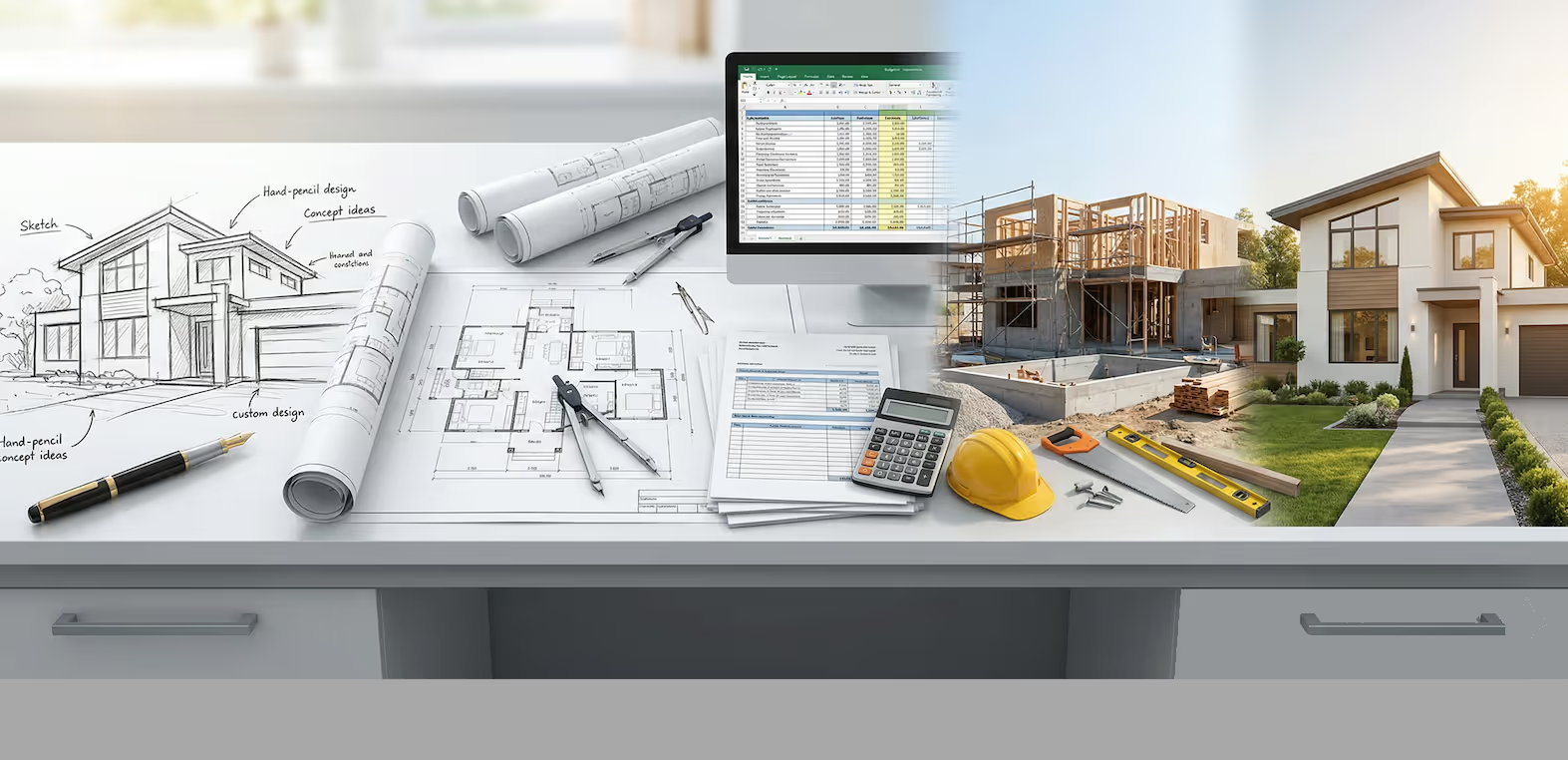
A strong builder partner brings structure to the project. This includes clear budgeting, detailed scope development, and organized communication systems.
They engage early in the design process, providing cost feedback and helping define options and alternates so that decisions can be made with clarity.
They also coordinate trades carefully, ensuring that execution aligns with the design intent.
This level of involvement requires discipline and experience.
- Structured process: Clear systems for managing the project.
- Early involvement: Supporting design with cost input.
- Trade coordination: Managing execution details.
- Consistent communication: Keeping all parties aligned.
Traits architects value most
Architects look for builders who respect the design and actively work to preserve it during construction. This includes attention to detail and willingness to collaborate on field decisions.
Transparency is also critical. Clear budgeting, open communication, and honest feedback build trust between the architect and builder.
Reliability and organization are equally important. A well-managed project allows the architect to focus on design rather than problem-solving.
These traits define a strong partnership.
- Design respect: Protecting architectural intent.
- Transparency: Open and honest communication.
- Organization: Structured project management.
- Collaboration: Willingness to engage in decisions.
Common mistakes
A common mistake is selecting a builder based solely on price without considering their ability to support the design process.
Another issue is choosing a builder who does not have experience working with architects on complex projects.
Some builders may also prioritize their own preferences over the design, which can create tension and compromise the outcome.
These mismatches can affect both process and results.
- Price-driven selection: Ignoring process and compatibility.
- Lack of experience: Limited exposure to architect-led work.
- Poor communication: Weak coordination with design team.
- Misaligned priorities: Builder not supporting design intent.
How to decide
To evaluate whether a builder is a strong partner for architects, review their past projects and relationships with design professionals. Consistent collaboration is a good indicator.
Ask how they approach coordination, budgeting, and communication. Their answers should reflect a structured and transparent process.
It is also helpful to speak with architects who have worked with the builder to understand their experience.
The goal is to find a builder who complements the design process.
The Clarity perspective: how Clarity Building Group handles this
At Clarity, projects are approached as partnerships with architects. The team engages early to provide cost feedback and help define scope through detailed bid packages and options.
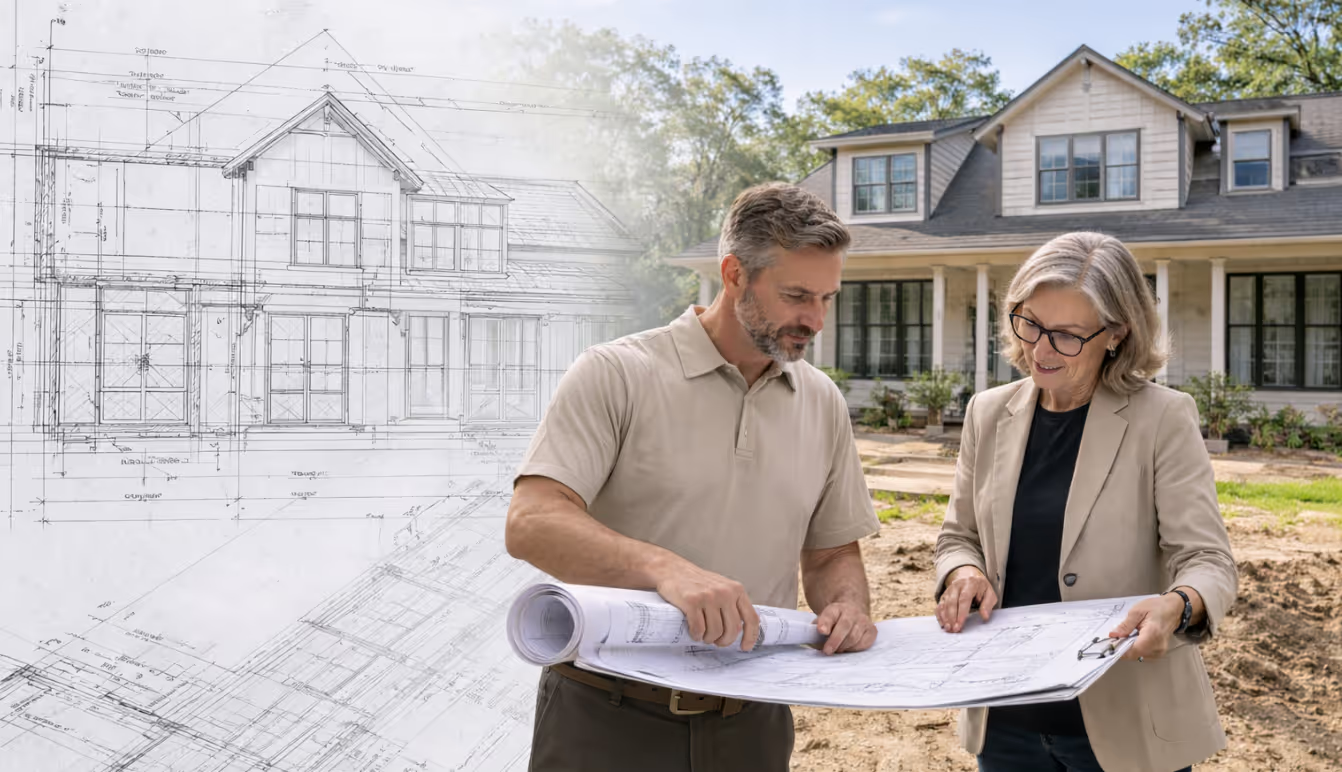
During construction, Clarity coordinates closely with the architect to resolve field conditions and maintain alignment with the design.
Structured communication, transparent budgeting, and consistent documentation support this collaboration.
This approach allows architects to focus on design while ensuring that execution is managed with clarity and precision.