What it feels like to go through a well-managed construction project
The experience of a structured, transparent build
A well-managed construction project is not defined only by the finished result. It is defined by how the process feels while it is happening.
When the project is structured properly, the experience becomes more predictable, more collaborative, and significantly less stressful.
In this article
- What a well-run project feels like day to day
- How team dynamics shape the experience
- What organization and communication look like
- How problems are handled
- What to expect from a strong team
Many homeowners focus on cost and schedule, but the experience of getting there matters just as much. A well-managed process creates confidence and clarity throughout the project.
This is especially important in complex custom work, where coordination and communication are constant.
The short answer
A well-managed construction project feels organized, transparent, and collaborative. The team is aligned, the site is controlled, and decisions are handled clearly and proactively.
You are informed, supported, and confident in how the project is progressing.
Why this happens
The experience of a project is a direct result of how it is managed. Strong systems and clear communication create consistency across the jobsite.
When roles are defined and the team is aligned, the project runs with less friction and fewer surprises.
- Clear communication: Regular updates and open dialogue
- Defined roles: Everyone understands their responsibilities
- Structured process: Decisions and changes are handled methodically
This foundation allows the project to move forward without unnecessary confusion.
Common causes
When projects feel disorganized, it is usually due to breakdowns in coordination or unclear leadership.
- Poor communication: Inconsistent updates or unclear information
- Disengaged leadership: Key decision-makers not actively involved
- Unclear expectations: Misalignment between client and team
- Disorganized site: Lack of control in the field
These issues create stress and reduce confidence in the process.
How to recognize a well-managed project
There are clear signals that a project is being run effectively. These show up in both the environment and the interactions between people.
The jobsite itself is one of the most visible indicators.
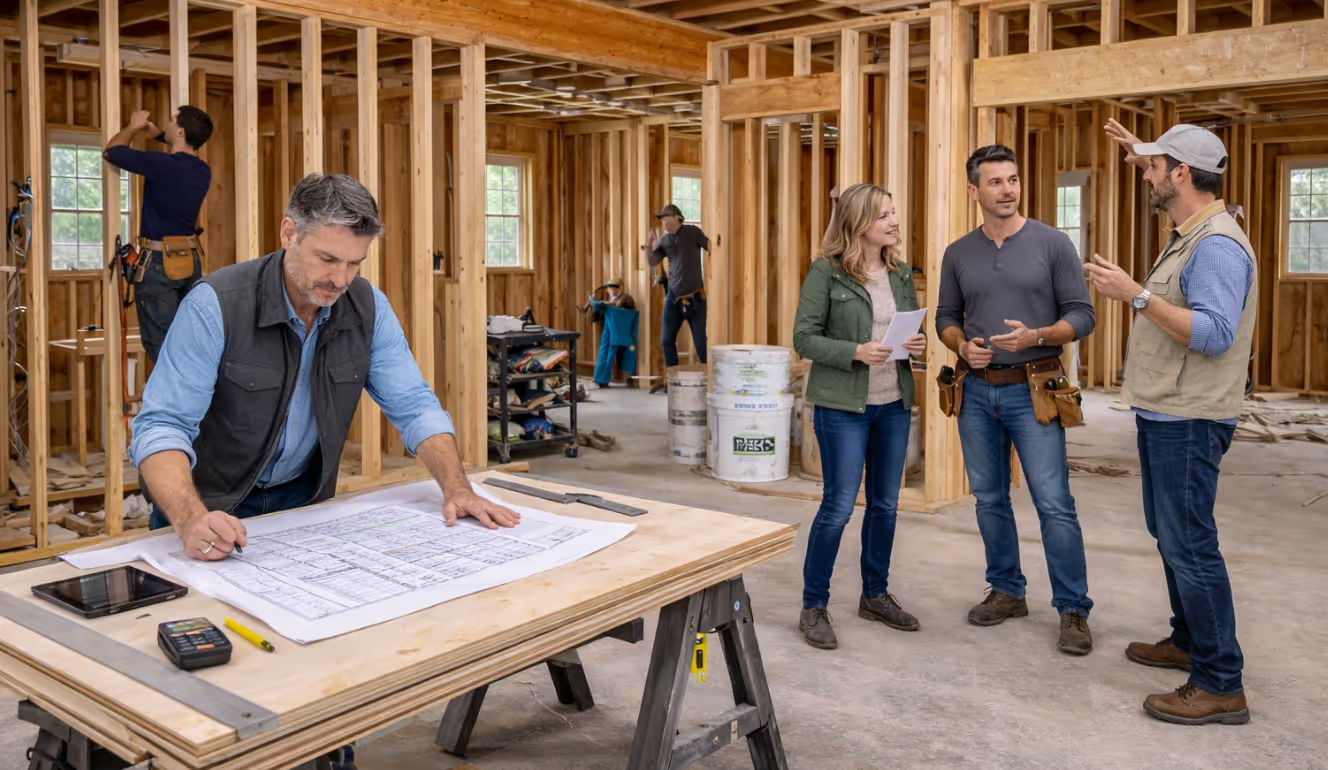
- Clean and organized site: Materials are staged properly and work areas are maintained
- Professional trades: Crews are respectful, coordinated, and approachable
- Active field management: A superintendent who understands every detail of the project
The people involved also shape the experience.
- Engaged leadership: Company principals regularly attend walkthroughs and stay involved
- Collaborative architect: Design input continues during construction to improve outcomes
- Attentive interior designer: Listens to your priorities and helps guide decisions
In this environment, the project feels supported rather than chaotic.
What to look for early
You can often predict the experience of a project before construction begins by observing how the team operates.
- Communication style: Clear, consistent, and transparent from the start
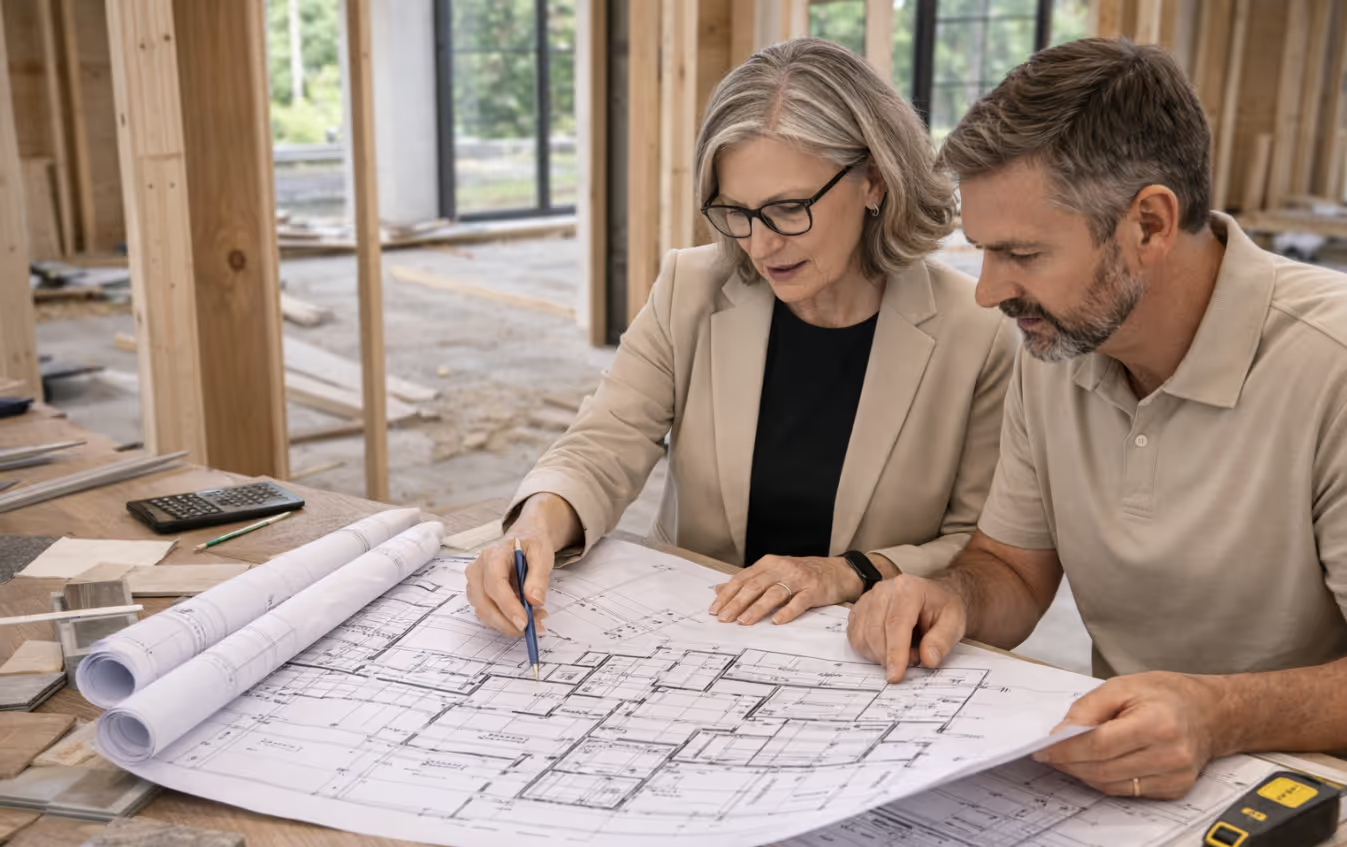
- Team interaction: Builder, architect, and designer working collaboratively
- Attention to detail: Organized planning and thorough documentation
- Responsiveness: Questions are answered directly and promptly
These early indicators often carry through the entire project.
The Clarity perspective: how Clarity Building Group handles this
The construction experience is treated as a core part of the project, not a byproduct. Systems are put in place to create consistency, transparency, and accountability.
Field management is central. A dedicated superintendent oversees the day-to-day work, ensuring quality, organization, and coordination across all trades.
Leadership remains involved throughout the project, participating in walkthroughs and supporting key decisions. The design team is also engaged during construction, allowing for ongoing refinement and alignment.
Communication and financial tracking are structured so that clients always understand where the project stands. This approach creates a more predictable and controlled experience from start to finish.