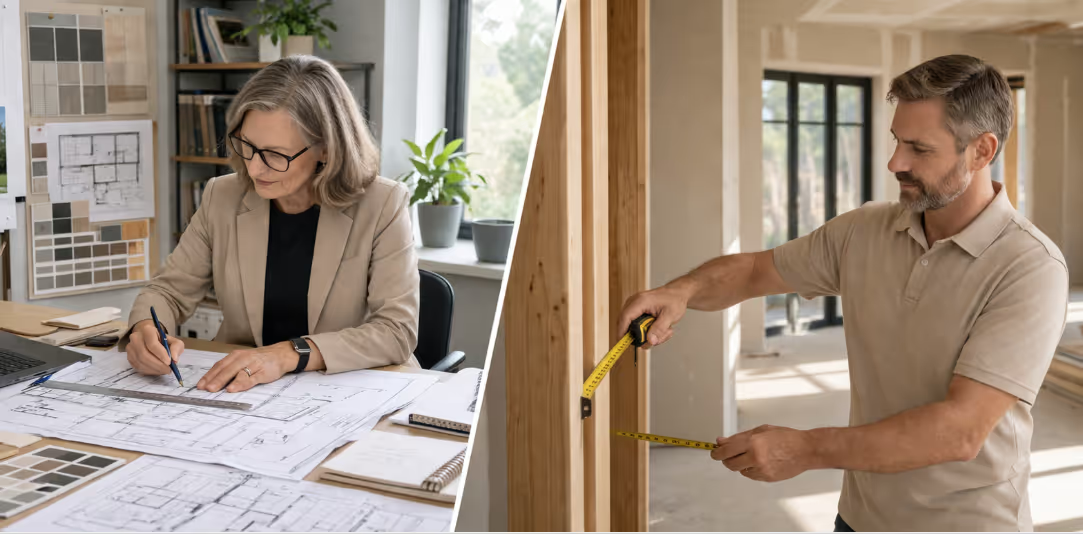
What level of involvement should you expect as a homeowner?
Understanding your role throughout the process
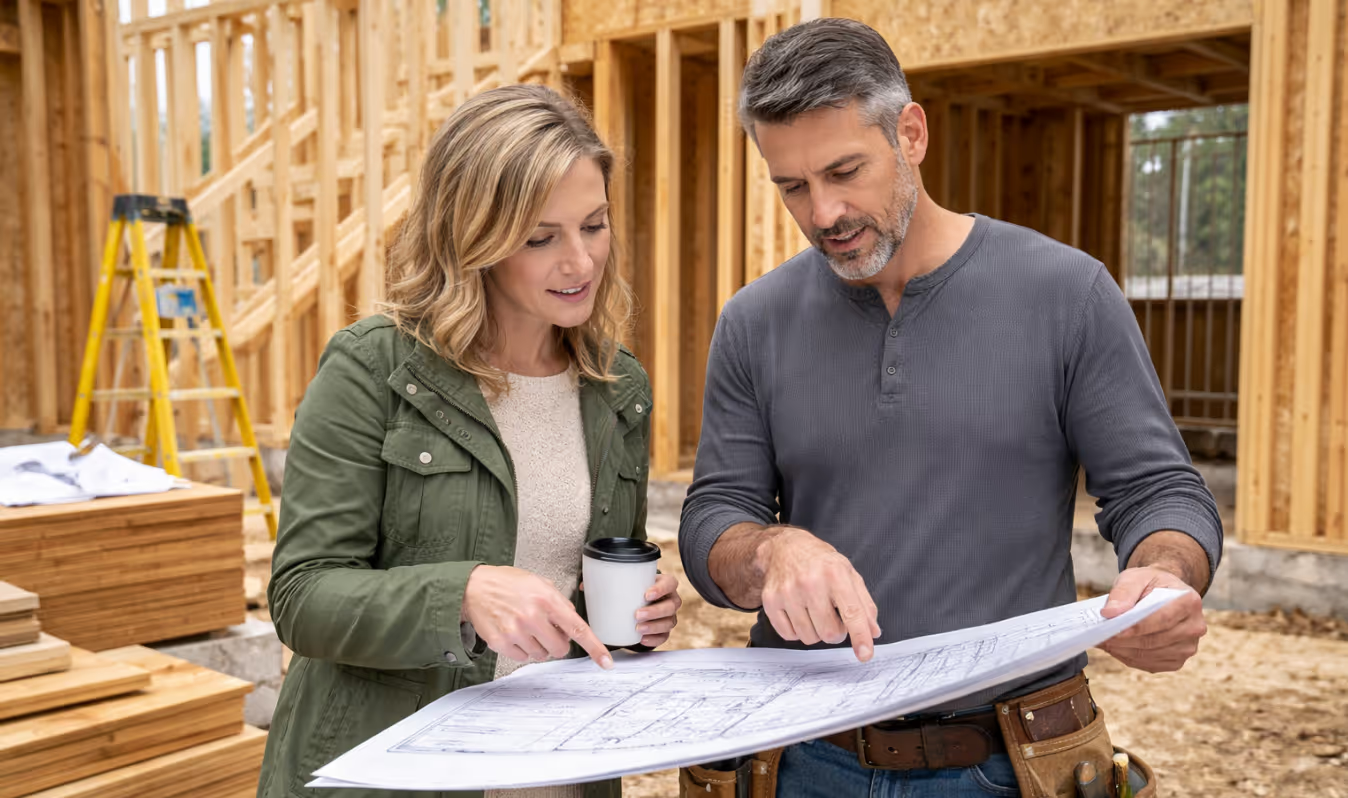
Your level of involvement will directly shape both the process and the outcome of your project. This is your home, and the more you want it to reflect your preferences, the more engaged you should expect to be.
Custom construction is not a passive experience. It requires ongoing decisions, coordination, and communication throughout the project.
In this article
- How involved homeowners typically are
- What drives the level of involvement
- What happens if you step back
- How involvement affects outcomes
- What to expect day to day
Many homeowners underestimate how many decisions are required during a project. These decisions do not happen all at once. They happen continuously.
Understanding this early helps set realistic expectations and reduces frustration later.
The short answer
You should expect to be actively involved throughout the project. There is no real upper limit to involvement, and more engagement generally leads to better alignment with your goals.
If you are not making decisions, those decisions will still be made by someone else on your behalf.
Who it is for
This level of involvement is ideal for homeowners who want a high degree of control over the outcome and are interested in the details of how their home comes together.
It is especially relevant for custom homes and major renovations where every element is being tailored.
- Hands-on clients: You want to understand and influence decisions
- Detail-oriented homeowners: You care about how things look and function
- Collaborative mindset: You are comfortable working closely with your builder and design team
In these cases, involvement becomes a tool for achieving a more precise result.
Who it is not for
Some homeowners prefer a more hands-off approach, but that comes with tradeoffs.
- Delegation-focused clients: You prefer others to make decisions on your behalf
- Limited availability: You do not have time to engage regularly
While a team can guide the process, reduced involvement often leads to more assumptions and less personalization.
What it requires
Active involvement means staying engaged throughout the duration of the project. This can range from periodic check-ins to very frequent communication depending on the stage.
On some projects, homeowners meet with the team daily for extended periods. This level of engagement is not unusual in complex, highly customized work.
- Ongoing communication: Regular meetings, updates, and decisions
- Decision-making: Dozens of small and large choices throughout the project
- Responsiveness: Timely input to keep work moving
Construction generates a constant flow of questions. Either you answer them, or the team makes reasonable assumptions to keep progress moving.
The more you stay involved, the more those decisions reflect your intent.
How to decide
The right level of involvement depends on how much control you want over the outcome and how much time you can realistically commit.
- Do you want full customization: Higher involvement will be required
- Are you comfortable delegating: Be prepared for decisions made without your input
- Can you stay engaged: Consistency matters more than intensity
There is no such thing as too much involvement in a custom project, but there is a risk in being under-involved.
More knowledge and engagement typically lead to fewer surprises and better alignment with expectations.
The Clarity perspective: how Clarity Building Group handles this
Client involvement is structured but flexible. The goal is to keep homeowners informed and engaged without overwhelming them.
Regular meetings, updates, and clear communication channels are established so decisions can be made efficiently. Information is presented in a way that supports timely and informed choices.
Detailed scopes of work and open-book financial tracking allow clients to see how decisions impact both design and cost.
This approach ensures that homeowners who want to be highly involved have full visibility, while still maintaining momentum and coordination across the project.