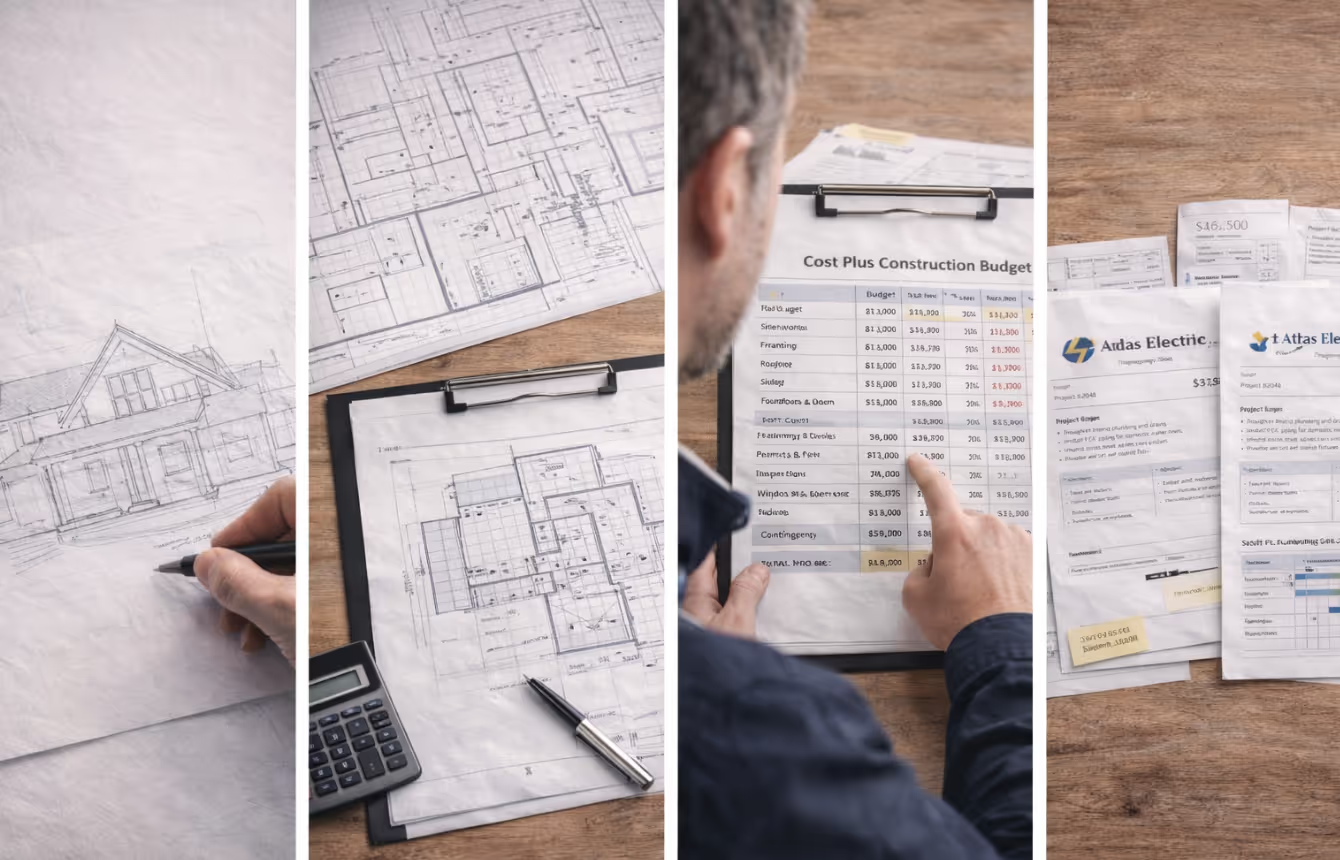
What decisions must be made before construction starts
Avoiding delays through early decisions
Construction moves quickly once it begins, and the work depends on decisions that must already be made. When those decisions are delayed, the project slows down or requires rework.
The most important decisions are those that affect mechanical, electrical, and plumbing systems. These must be defined before rough installation begins.
In this article
- Why early decisions are critical
- Which selections affect construction systems
- How layout drives coordination
- What typically causes delays
- How to prepare before breaking ground
Many homeowners assume they can finalize details during construction. While some flexibility exists, core decisions must be made earlier to avoid conflicts and delays.
The more that is resolved before construction starts, the smoother and more predictable the process becomes.
The short answer
Key design, layout, and selection decisions must be finalized before construction so that mechanical, electrical, and plumbing systems can be installed correctly.
Delaying these decisions leads to rework, scheduling disruptions, and increased cost.
How this works step by step
Before construction begins, the project must reach a level of detail that allows all major systems to be coordinated.
- Architectural layout: Room sizes, wall locations, and overall building geometry finalized
- Mechanical coordination: HVAC, plumbing, and electrical systems aligned with the design
- Fixture and equipment selection: Appliances, plumbing fixtures, and specialty items identified
- Lighting design: Fixture types and locations defined for rough wiring
These elements are interconnected. A change in one area often affects multiple trades.
Impact on cost and schedule
Early decisions reduce uncertainty and allow construction to proceed without interruption.
- Defined selections: Accurate installation, fewer changes, and better coordination
- Undefined selections: Assumptions in the field, leading to adjustments and delays
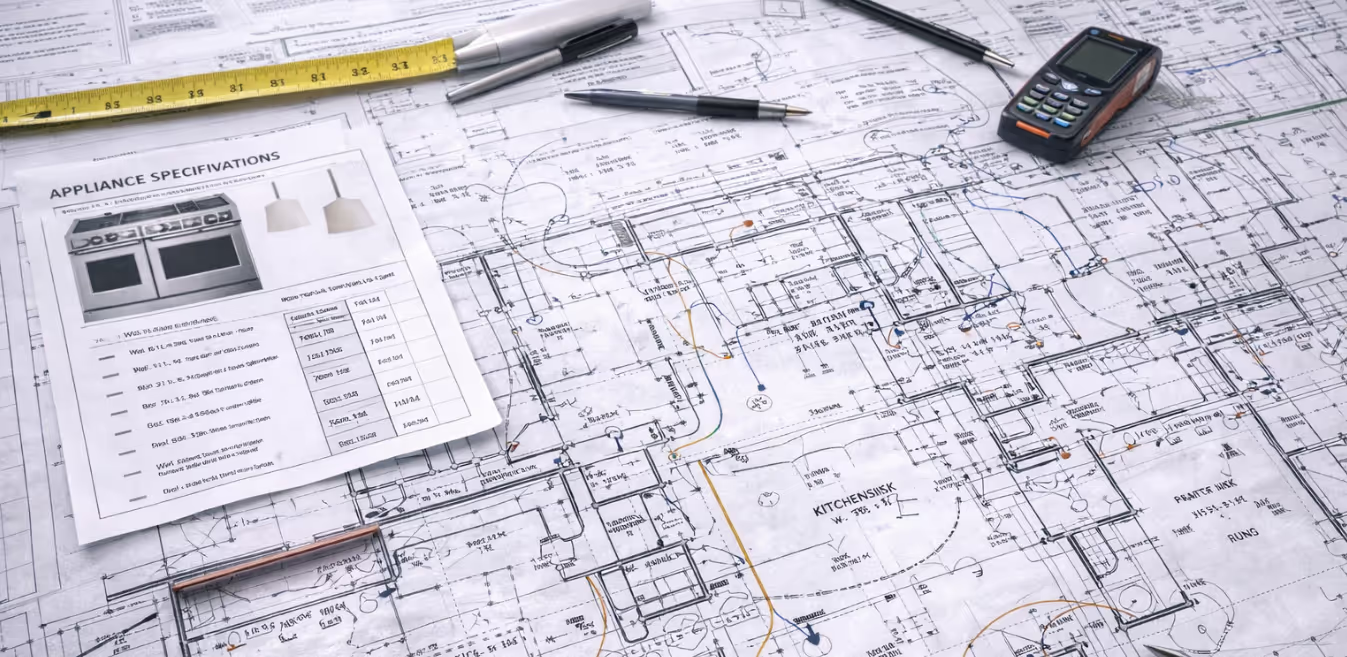
Mechanical systems are particularly sensitive to change. For example, appliance specifications affect electrical loads and venting requirements, while plumbing fixtures determine pipe routing and rough-in locations.
Lighting design also plays a major role. Without a clear plan, electricians cannot properly locate junction boxes, recessed fixtures, or switching layouts.
Common delays
Most construction delays tied to decision-making occur when selections are made after rough work has begun.
- Appliance changes: Different sizes or requirements affecting cabinetry and utilities
- Plumbing fixture revisions: Shower valves, tub fillers, or vanity configurations shifting rough-in locations
- Lighting uncertainty: Lack of clarity between recessed and decorative fixtures
- Layout adjustments: Changes to room sizes or wall locations after framing begins
These changes often require reopening completed work, which adds time and cost.
What to prepare
To avoid delays, several key decisions should be made and documented before construction starts.
- Appliance selections: Confirm models and specifications so electrical, gas, and ventilation systems can be designed correctly
- Plumbing fixtures: Define shower systems, faucets, and tub locations to establish accurate rough-in points
- Vanity design and placement: Cabinet sizes and locations determine plumbing and electrical coordination
- Finalized floor plan: Lock in room sizes and layouts to prevent structural and system conflicts
- Lighting plan: Identify which fixtures are recessed and which are decorative, along with switching and control locations
These decisions allow each trade to perform their work without assumptions.
The Clarity perspective: how Clarity Building Group handles this
Construction is not started until the project reaches a level of definition that supports coordinated installation. This is developed during preconstruction.
Selections that impact mechanical, electrical, and plumbing systems are prioritized early. This ensures that subcontractors can price and install based on real information rather than allowances.
Detailed scopes of work are created for each trade, supported by coordinated drawings. Multiple bids are obtained to validate pricing and confirm constructability.
By resolving key decisions before construction begins, the process becomes more predictable, with fewer interruptions and clearer alignment between design and execution.