What is included in preconstruction and why it matters
The work that happens before any building begins
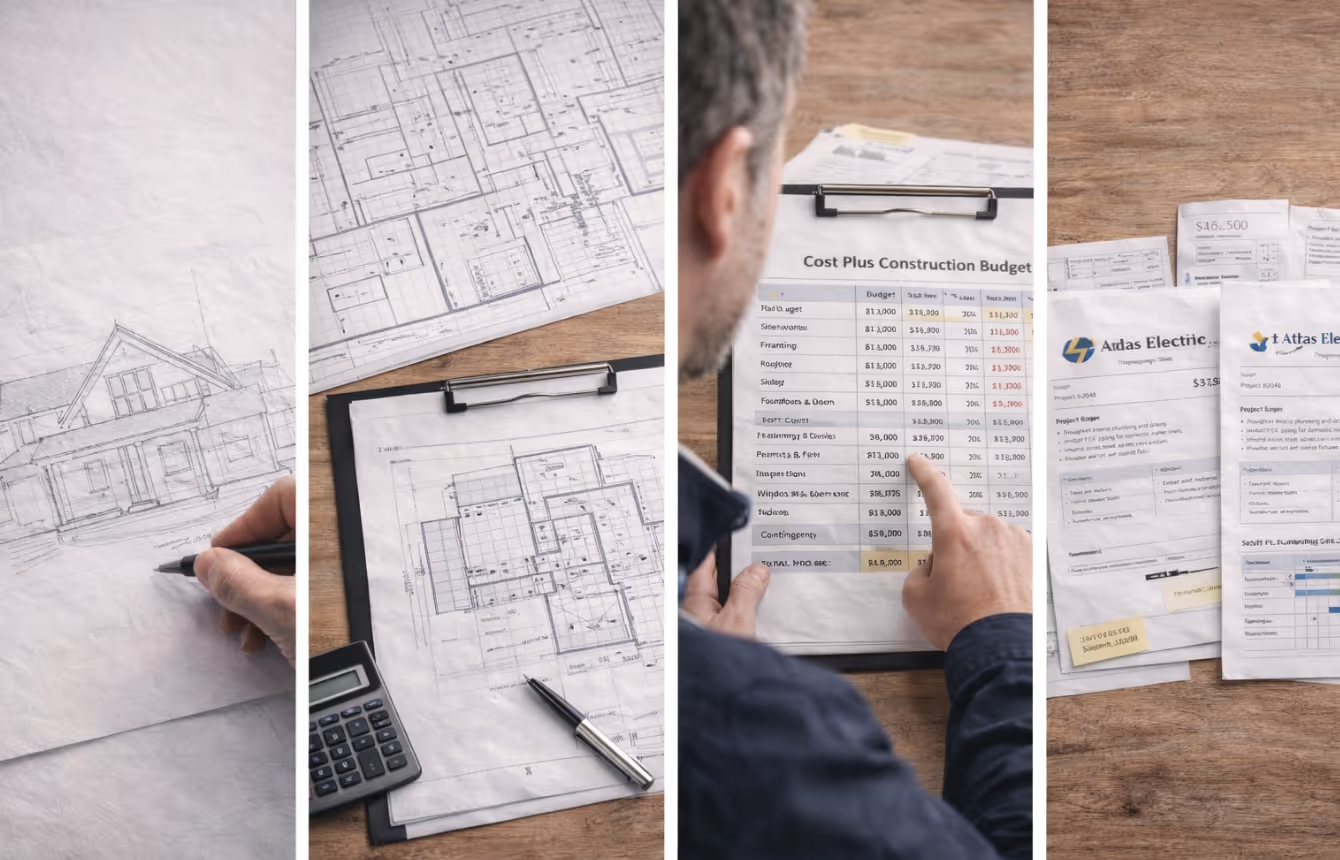
Preconstruction is the phase where a project is defined, tested, and prepared before any physical work begins. It connects the homeowner's vision with design, cost, and execution planning.
This work is not optional in custom construction. It is the process that turns an idea into a clear, buildable plan with a reliable budget.
In this article
- What happens during preconstruction
- How design and cost are aligned
- Why early builder involvement matters
- How this phase reduces risk before construction
Context
Many homeowners initially focus on construction as the main event. In reality, the success of a project is largely determined before construction begins.
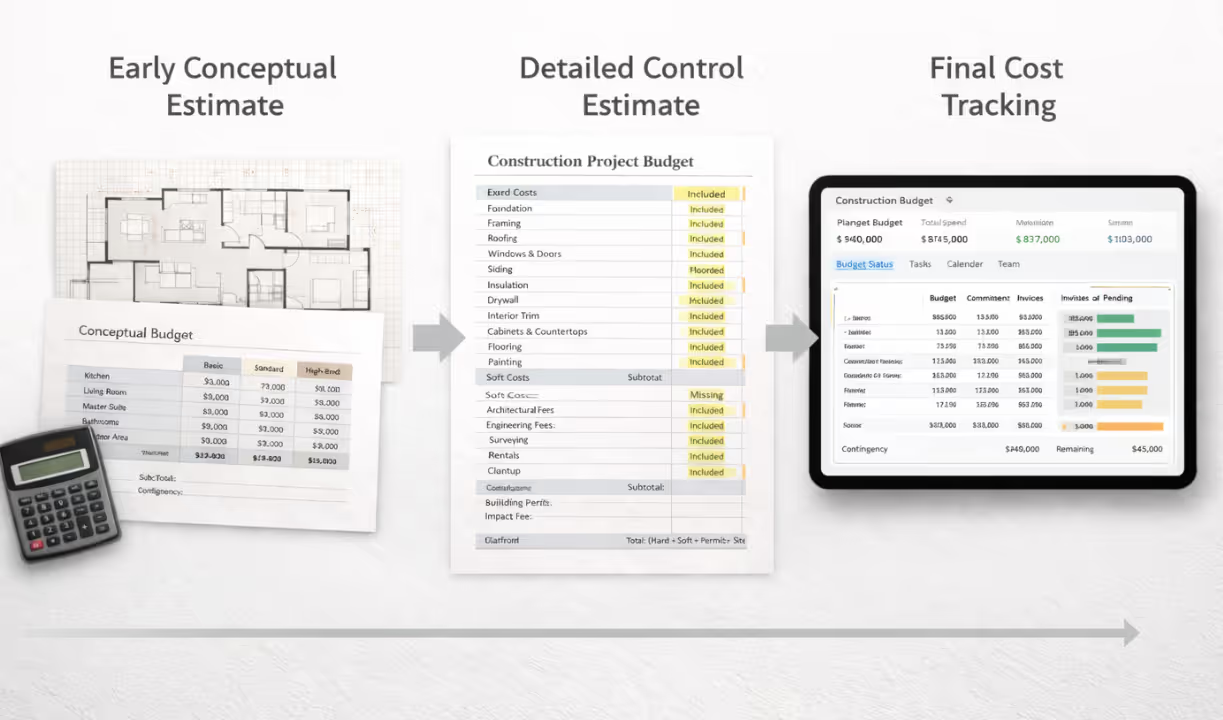
The proven process for clarity outlines a structured approach where design, budgeting, and planning happen in stages. Each step builds on the previous one, reducing uncertainty and improving decision-making.
Without this process, projects often rely on assumptions, leading to cost surprises, delays, and misalignment between expectations and reality.
The short answer
Preconstruction includes design development, cost guidance, subcontractor bidding, and the creation of a detailed control estimate.
It ensures that scope is clearly defined and that pricing is based on real data before construction begins.
The goal is to replace assumptions with informed decisions.
How this works step by step
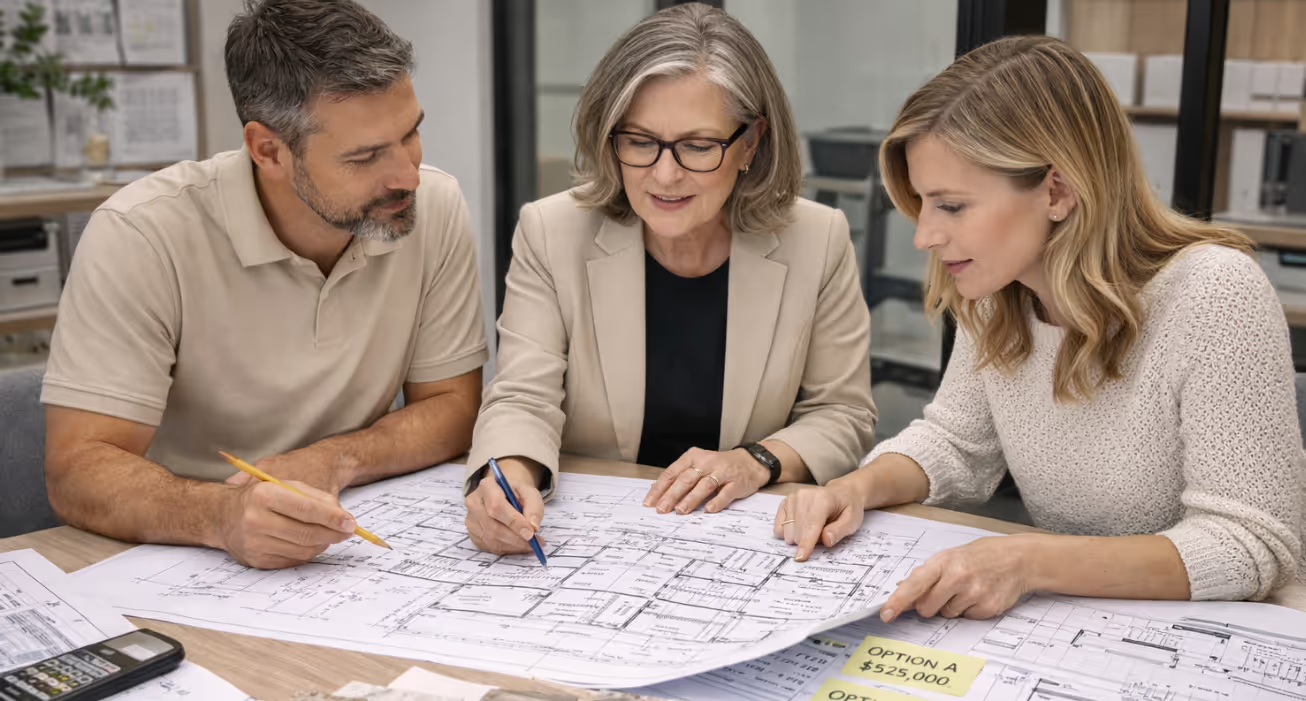
The process begins with an idea. A homeowner engages an architect to explore possibilities and develop a design that reflects their goals.
As the design takes shape, the architect typically recommends builders who are a good fit for the project. The homeowner interviews these builders and selects one to move forward with.
At this stage, it is not about collecting multiple prices. The scope is still evolving, and early pricing comparisons are often misleading. The focus is on selecting the right team to guide the project.
Once selected, the builder joins the process as a cost consultant. While the architect continues to develop the design, the builder provides ongoing budget input to keep the project aligned financially.
- Initial concept: Homeowner defines goals with an architect.
- Builder selection: One builder is chosen for collaboration.
- Cost guidance: Builder provides input during design development.
- Aligned process: Design and budget evolve together.
When planning becomes detailed
As the design progresses toward permit-ready drawings, the level of detail increases. Materials, systems, and construction methods become more clearly defined.
This allows the builder to prepare detailed bid packages for each trade. These packages define the scope of work so that subcontractors can provide accurate and consistent pricing.
Multiple subcontractors are invited to bid on each package, creating competitive pricing based on clearly defined scope.
The builder then assembles a control estimate using these bids. This becomes the benchmark cost for the project and represents a significant shift from early assumptions to real pricing.
- Design development: Drawings reach a level that supports accurate pricing.
- Bid packages: Detailed scopes issued to subcontractors.
- Competitive bids: Multiple trades provide pricing.
- Control estimate: Reliable budget based on real costs.
Why this phase matters
Preconstruction reduces risk by identifying issues before construction begins. It allows for adjustments to design, scope, and budget while changes are still relatively easy to make.
It also improves cost accuracy. By replacing assumptions with subcontractor bids and defined scope, the project starts with a clearer understanding of total cost.
Schedule reliability benefits as well. With planning complete and trades coordinated, construction can proceed more efficiently.
Perhaps most importantly, it creates alignment. The homeowner, architect, and builder enter construction with a shared understanding of the project.
Common mistakes
A common mistake is trying to price a project too early by involving multiple builders before the design is developed. Without defined scope, these numbers are often inconsistent and difficult to compare.
Another issue is rushing into construction without completing preconstruction. This can leave key decisions unresolved and increase the likelihood of changes later.
Some projects also treat budgeting and design as separate processes. When they are not aligned, the result is often a design that exceeds the intended budget.
A structured preconstruction process avoids these issues by integrating design and cost from the beginning.
- Early price shopping: Comparing numbers before scope is defined.
- Incomplete planning: Starting construction with unresolved decisions.
- Disconnected process: Design and budget not aligned.
- Rushed timelines: Skipping critical steps in planning.
The Clarity perspective: how Clarity Building Group handles this
At Clarity, preconstruction follows the structured approach outlined in the proven process for clarity . The process begins with conceptual budgeting and progresses through formal preconstruction engagement, where design and cost are developed together.
Clarity joins the project early as a cost consultant, providing ongoing input as the architect advances the design. This ensures that financial considerations are integrated into decision-making from the start.
Once drawings are permit-ready, detailed bid packages are created and issued to multiple subcontractors. The resulting bids are used to build a control estimate that establishes a reliable cost benchmark.
Construction begins only after this alignment is achieved. This approach reduces uncertainty, improves cost control, and creates a clear path for a successful project.