When cost-plus is not the right fit
Situations where another contract type may be better
Cost-plus construction is designed for collaboration, flexibility, and transparency. While it works well for many custom residential projects, it is not the right fit for every homeowner.
The success of a cost-plus project depends not just on the builder's process, but on the level of client involvement and decision-making throughout the project.
In this article
- Who cost-plus is designed for
- Situations where it may not be the right fit
- What cost-plus requires from homeowners
- How to decide which approach is best
Context
Custom residential construction is not a standardized process. It involves continuous refinement, decision-making, and coordination between the homeowner, architect, and builder.
Cost-plus contracts are built to support this environment. They provide flexibility and transparency so that the project can evolve as design decisions are made.
However, this flexibility comes with a requirement. Homeowners need to stay engaged in the process for the system to work effectively.
The short answer
Cost-plus is not the right fit for homeowners who want a hands-off experience or a fully fixed outcome with minimal involvement.
It works best for those who want to be part of the process, understand how decisions affect cost, and actively participate in shaping the project.
The more customized the project, the more important this involvement becomes.
Who it is for
Cost-plus is best suited for homeowners who want to engage in the construction process and make informed decisions as the project evolves. These clients value transparency and are interested in understanding how their choices impact cost and outcome.
It is particularly effective for architect-led projects where design continues to develop throughout preconstruction and construction. In these cases, collaboration is essential to achieving the desired result.
Clients who are responsive and willing to make timely decisions tend to have the most successful cost-plus experiences. The process depends on steady input and alignment at each stage.
This approach allows the home to be tailored closely to the client's vision, but that outcome depends on active participation.
- Engaged clients: Willing to participate in decisions throughout the project.
- Custom-focused: Prioritize tailoring the home to their vision.
- Collaborative mindset: Comfortable working closely with the project team.
- Timely decision-makers: Able to keep the project moving forward.
Who it is not for
Cost-plus is not a good fit for homeowners who prefer a hands-off approach. Clients who want to step away for extended periods and expect the project to proceed without input may find the process frustrating.
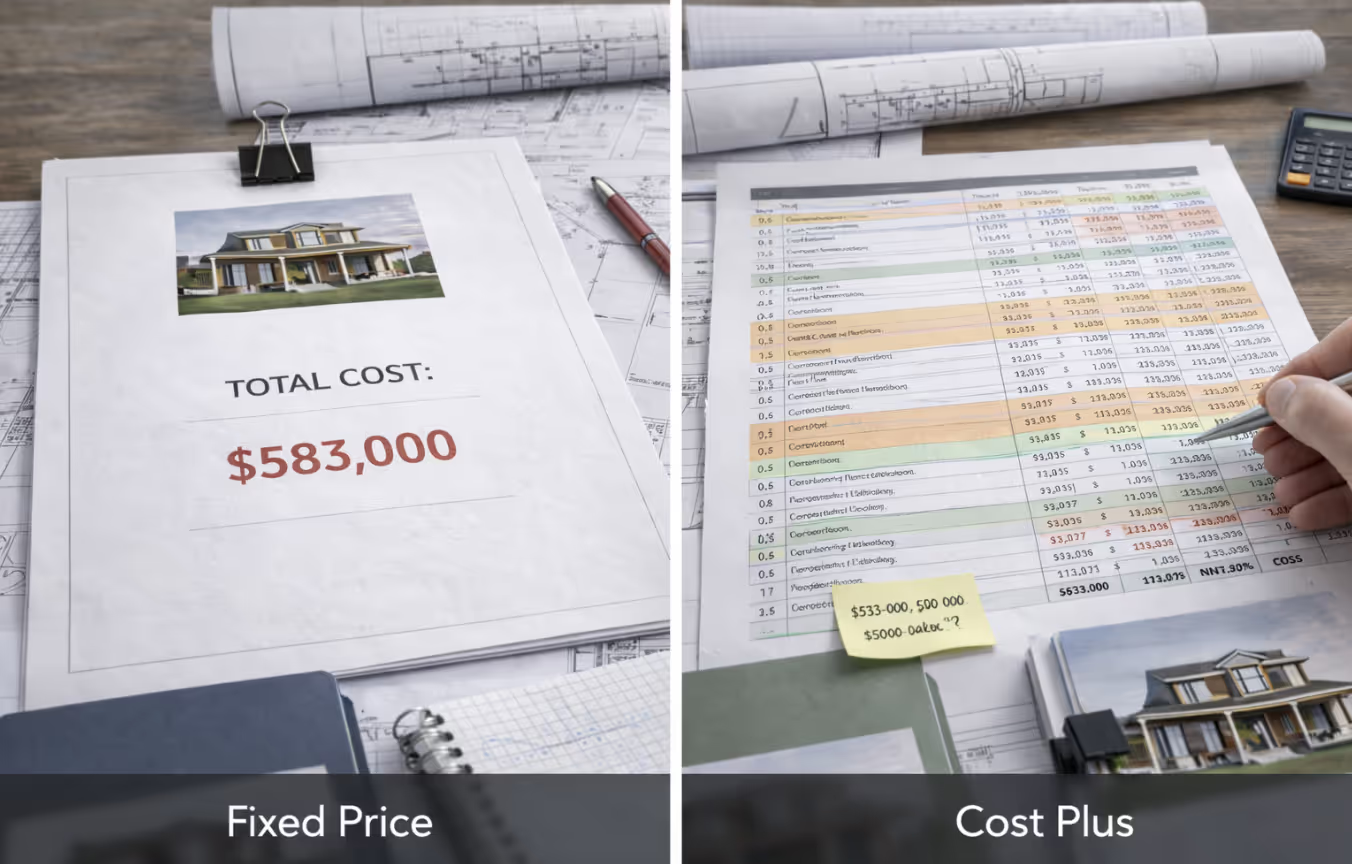
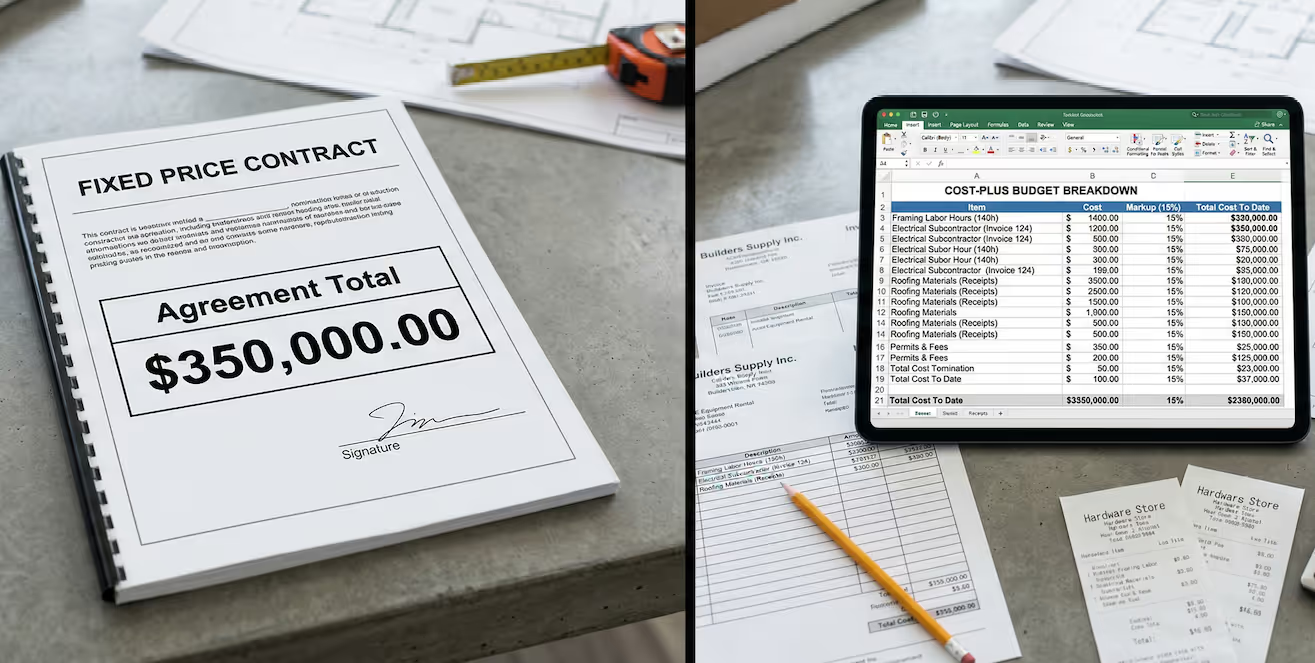
It is also less suitable for those who want a fixed price and minimal involvement in decision-making. Cost-plus requires ongoing engagement, not just an initial agreement.
Projects where decisions are delayed or avoided can lose momentum and clarity. Without regular input, it becomes more difficult to maintain alignment between design, cost, and execution.
In these cases, a more fixed and predefined contract structure may be a better fit.
- Hands-off clients: Prefer minimal involvement during construction.
- Extended absence: Not available to participate in ongoing decisions.
- Fixed-price preference: Want a single number with limited flexibility.
- Delayed decision-making: Struggle to respond in a timely manner.
What it requires
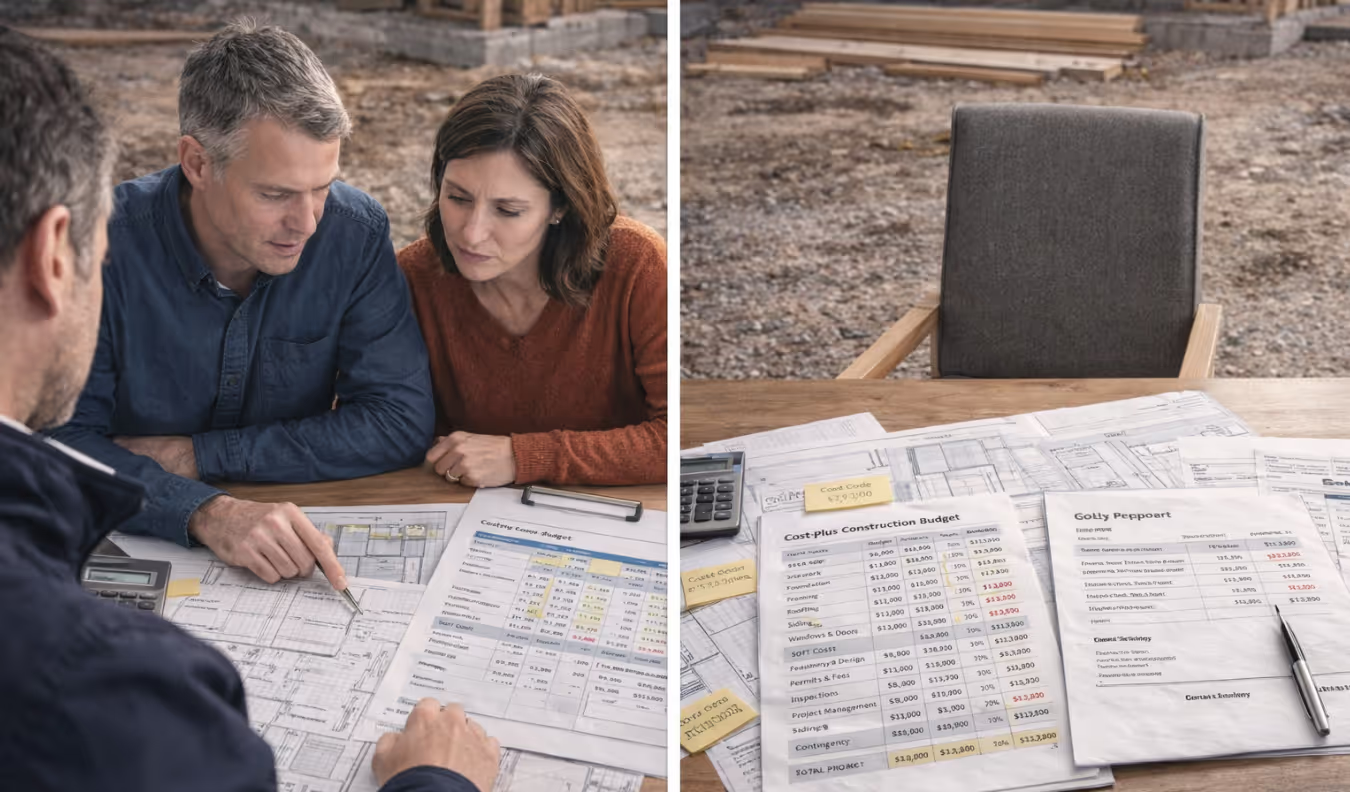
Cost-plus construction requires consistent communication and participation. Homeowners should expect to review budget updates, evaluate options, and make decisions as the project progresses.
This includes engaging in the change management process, reviewing subcontractor bids, and understanding how selections impact cost.
Timely decisions are particularly important. Delays in selecting materials or approving changes can affect both cost and schedule.
The process is designed to support informed decision-making, but it depends on active involvement to function effectively.
- Ongoing engagement: Regular participation in project discussions.
- Decision responsibility: Evaluating options and approving costs.
- Budget awareness: Understanding how choices affect total cost.
- Communication: Staying aligned with the project team.
How to decide
Choosing whether cost-plus is the right fit starts with understanding your expectations for the project. Consider how involved you want to be and how comfortable you are with a process that evolves over time.
If you value transparency and want to shape the outcome through ongoing decisions, cost-plus is likely a strong fit. If you prefer simplicity and a defined outcome with minimal engagement, another contract type may be more appropriate.
It is also important to consider the nature of the project. Highly customized homes benefit from flexibility and collaboration, while simpler projects may not require the same level of involvement.
The goal is to align the contract structure with both the project and your preferred level of participation.
The Clarity perspective: how Clarity Building Group handles this
At Clarity, cost-plus is positioned as a collaborative process for clients who want to be part of the journey of construction. The process is designed to provide visibility into decisions, costs, and execution at every stage.
Preconstruction establishes the framework, but the project continues to evolve through client input, trade coordination, and ongoing budget tracking. This allows the final result to closely reflect the client's vision.
Timely decision-making is essential. The team provides the information needed to make informed choices, but progress depends on consistent engagement from the homeowner.
For clients who prefer a more hands-off experience or a fully fixed approach, Clarity recognizes that cost-plus may not be the best fit. The goal is alignment between the process and the client, not forcing a structure that does not match expectations.