What to expect during construction, month by month
A practical view into the construction phase
Construction is not a passive phase where work simply happens in the background. It is an active, collaborative process where progress, decisions, and coordination happen continuously.
Understanding what to expect month by month helps reduce uncertainty and prepares homeowners for the level of involvement required to keep the project moving efficiently.
In this article
- What happens during each phase of construction
- What decisions are required along the way
- How weekly meetings and communication work
- How to stay aligned with schedule and vision
Context
Many homeowners expect construction to follow a linear path with minimal involvement after it begins. In custom residential construction, the reality is different.
Design decisions continue during construction, and those decisions directly impact both cost and schedule. This requires consistent communication and engagement.
The process is structured, but it is also dynamic. Seeing how the project evolves in real time is part of the experience.
The short answer
Construction progresses through defined phases such as demolition, framing, rough-ins, and finishes, with ongoing decisions and coordination throughout.
Homeowners are involved through weekly meetings, site visits, and timely decision-making.
The process is structured to keep the project aligned, but it requires active participation.
How this works step by step
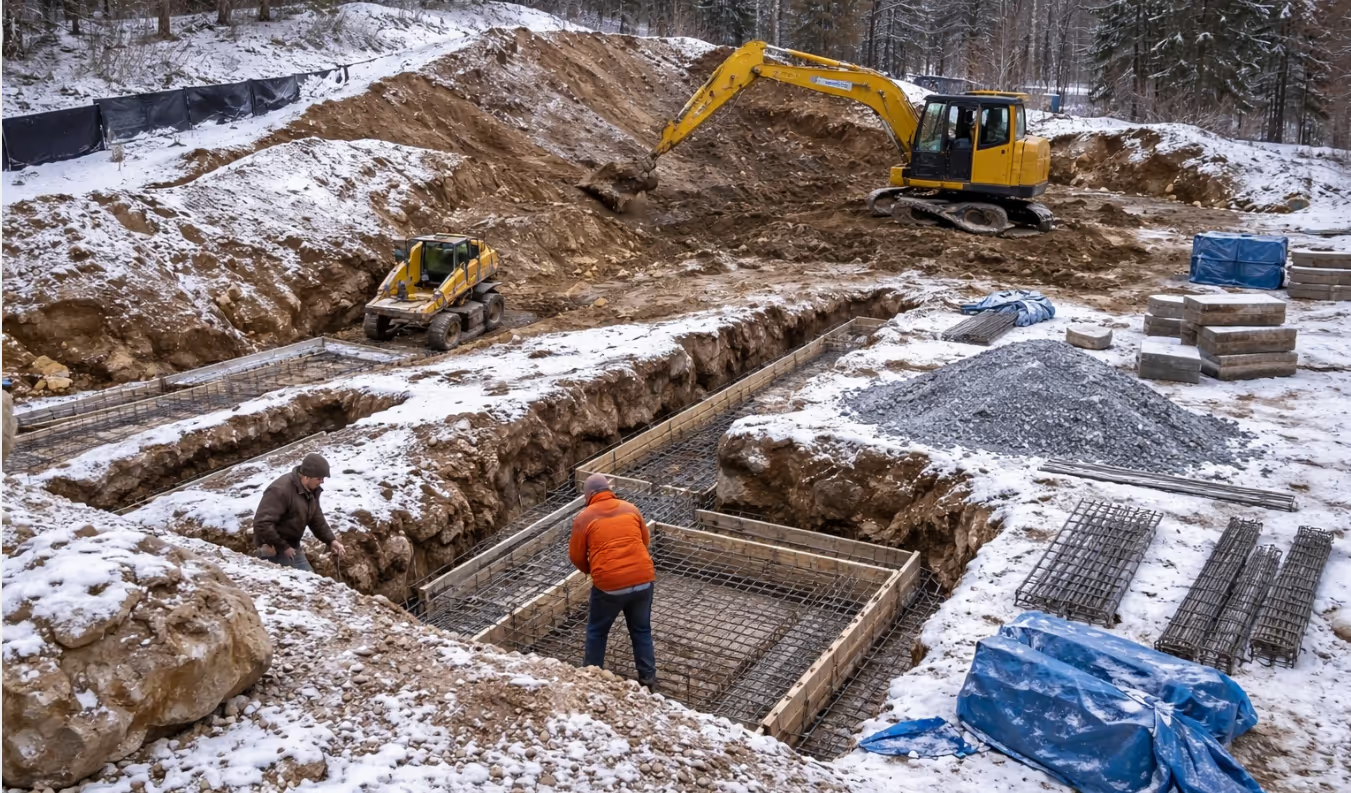
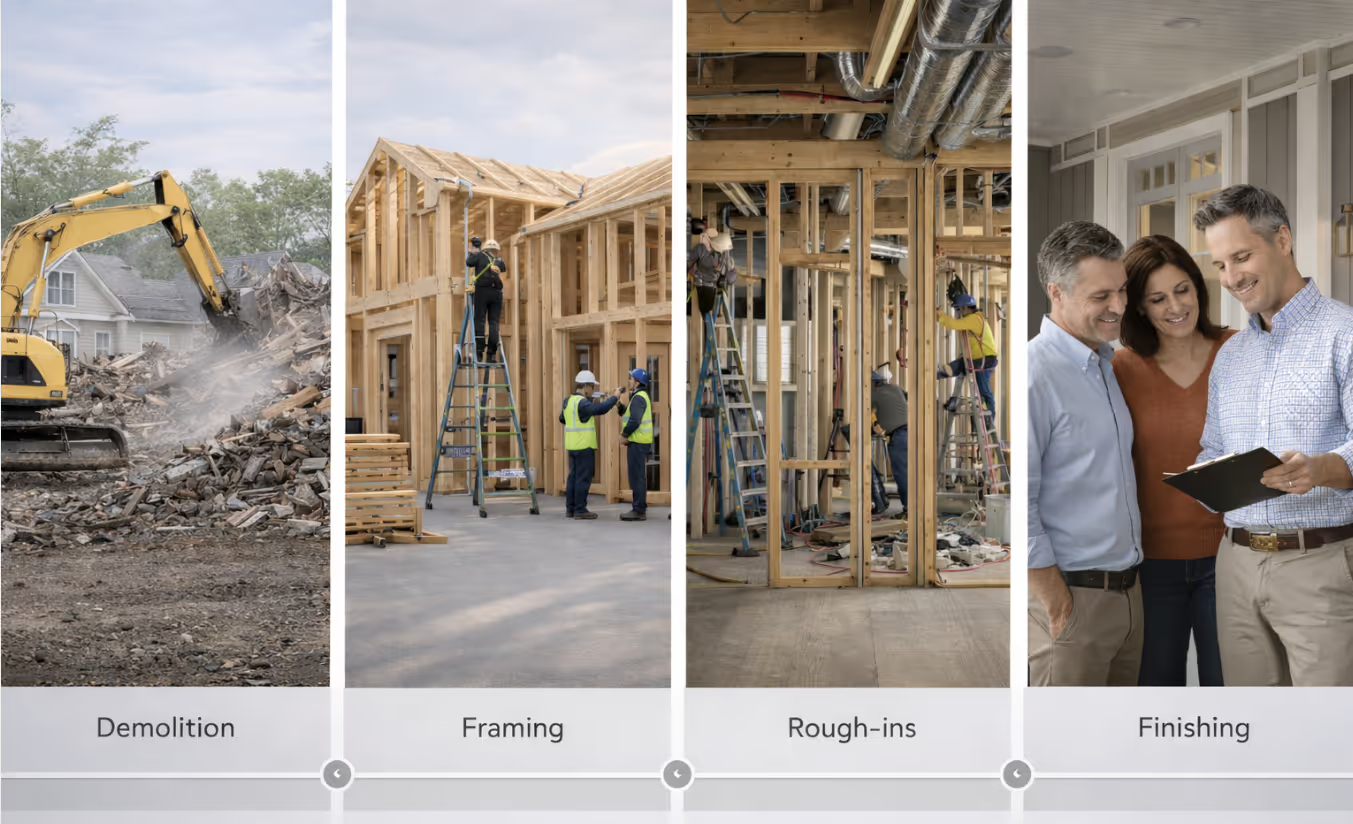
Once construction begins, the project moves through a sequence of phases. For renovation projects, the first month is typically focused on demolition and preparation.
Months two through three often involve framing and structural work, followed by roofing and enclosure. This establishes the physical structure of the project.
Months four through eight are generally focused on mechanical rough-ins, including plumbing, electrical, and HVAC systems. These systems must align with design decisions made earlier.
The final phase, often months eight through twelve, includes finishes such as cabinetry, tile, painting, and final installations. This is where the project takes on its final appearance.
- Month 1: Demolition and site preparation.
- Months 2-3: Framing, structure, and roofing.
- Months 4-8: Mechanical rough-ins and inspections.
- Months 8-12: Finishes, cabinetry, and final details.
New construction follows a similar sequence without demolition, but timelines are typically extended based on size and complexity.
What to expect during construction
Construction is a highly interactive phase. Homeowners should expect to be involved on a regular basis, particularly for design decisions that were not finalized during preconstruction.
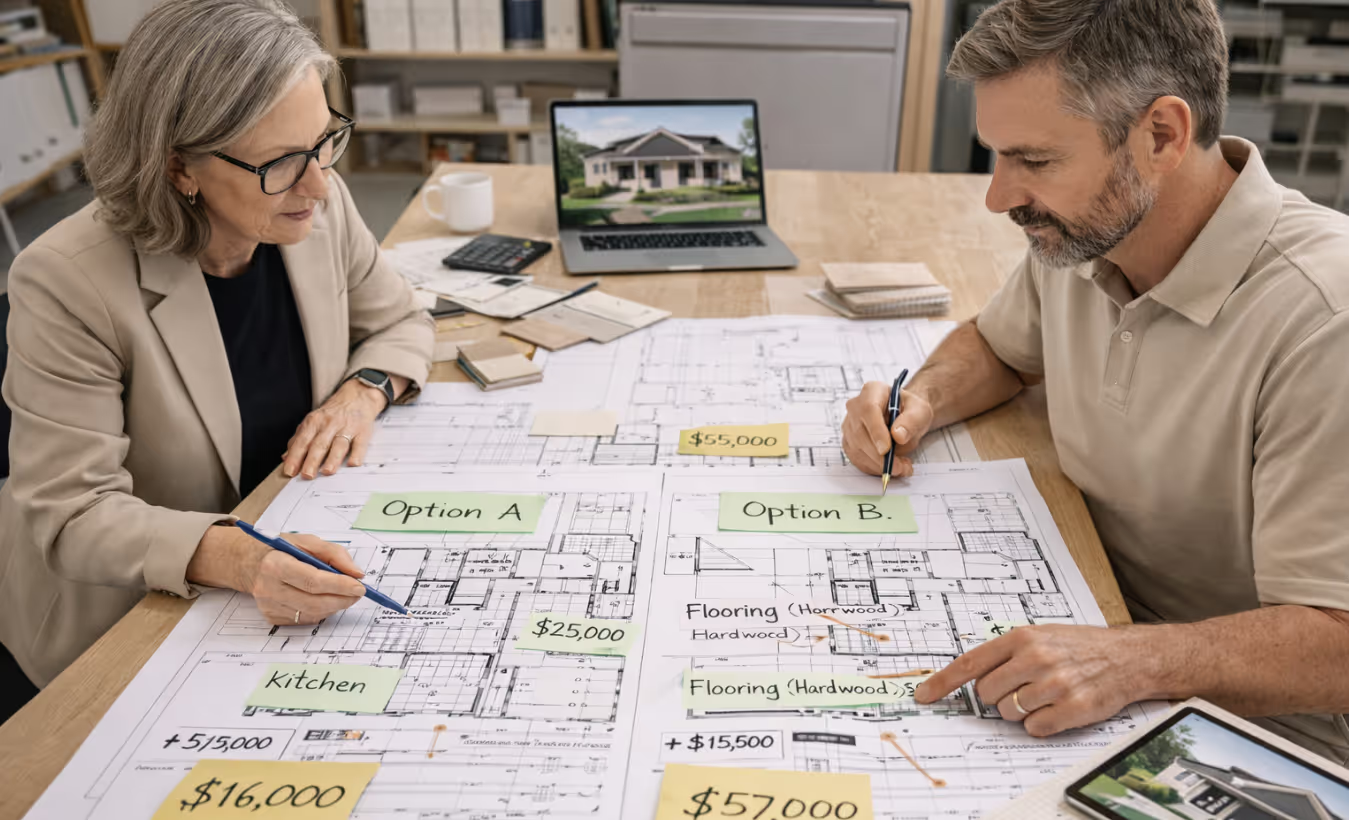
Weekly site meetings are a key part of the process. These meetings allow the homeowner, builder, and often the architect or interior designer to review progress, discuss upcoming work, and address decisions that need to be made.
In addition to formal meetings, many homeowners choose to visit the site regularly. These walkthroughs help visualize the space as it develops and ensure that the project aligns with expectations.
As the project progresses, the number of decisions can feel substantial. Materials, finishes, layouts, and details all require input.
- Weekly meetings: Review progress and upcoming decisions.
- Site walkthroughs: Observe how the project is taking shape.
- Ongoing decisions: Selections and details continue throughout.
- Team collaboration: Builder, architect, and designer stay aligned.
Managing design decisions
Design decisions during construction are often time-sensitive. The builder will provide guidance on when decisions are needed to keep the schedule on track.
In many cases, decisions must be made before the final result can be fully visualized. For example, selecting fixtures or finishes may be required before installation begins.
This is one reason many homeowners work with an interior designer. Designers help narrow down options and provide clarity among a wide range of choices.
Builders may also provide mockups or samples on site. These can include material boards, layout mockups, or simple visual aids to help communicate options.
- Decision timing: Selections must align with construction schedule.
- Limited visualization: Choices often made before completion.
- Designer support: Helps manage complexity and options.
- Mockups: Visual tools to aid decision-making.
How schedule and coordination work
The construction schedule is closely tied to decision-making. Delays in selections can impact the sequence of work and extend the timeline.
Builders provide advance notice of upcoming decisions so homeowners can prepare. This helps maintain momentum and avoid disruptions.
Coordination between trades is also critical. Each phase depends on the completion of the previous one, so timing and alignment are essential.
When decisions are made on time and maintained consistently, the project progresses more smoothly.
Common challenges
One of the most common challenges is feeling overwhelmed by the number of decisions. Custom projects involve a high level of detail, and each decision contributes to the final result.
Another challenge is making decisions without seeing the finished space. This requires trust in the design process and the project team.
Changes during construction can also create complexity. Revisiting earlier decisions may lead to rework and schedule adjustments.
A structured process and clear communication help manage these challenges effectively.
- Decision fatigue: Many choices required over time.
- Uncertainty: Hard to visualize final outcome early.
- Late changes: Can impact cost and schedule.
- Coordination pressure: Timing is critical to progress.
The Clarity perspective: how Clarity Building Group handles this
At Clarity, construction is managed as a structured and transparent process. Weekly meetings and regular communication keep homeowners informed and engaged at each stage.
Decision timelines are clearly outlined so that selections can be made in alignment with the schedule. The team provides guidance, mockups, and coordination support to help homeowners make informed choices.
Site walkthroughs and collaboration with architects and designers ensure that the project remains aligned with the original vision as it takes shape.
The goal is to create a process where progress is visible, decisions are supported, and the outcome reflects a coordinated effort from the entire team.