
Signs a builder may not be the right fit for your project
Identifying red flags early
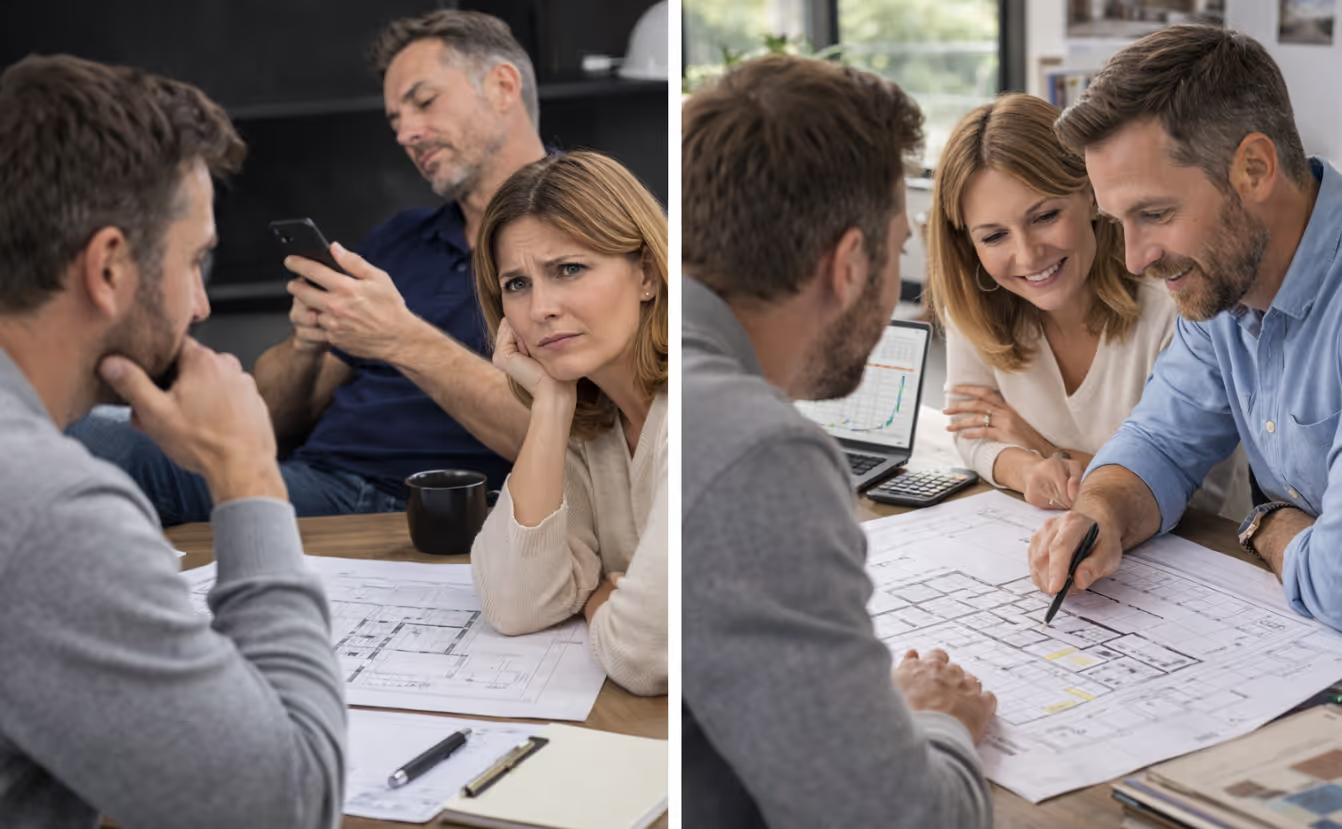
Choosing the right builder is not just about qualifications. It is about alignment. A builder may be experienced and capable, but still not be the right fit for your specific project.
Many of the most important warning signs appear early, especially in how a builder listens, responds, and adapts to your goals.
In this article
- How to identify early red flags
- Why fit matters in custom construction
- Where misalignment typically shows up
- How to evaluate responsiveness and flexibility
Context
Custom residential construction is a collaborative process. The homeowner, architect, and builder work together over an extended period of time to bring a unique vision to life.
This requires more than technical ability. It requires attention, communication, and a willingness to adapt to the client's priorities.
When these qualities are missing, issues often appear early in the process.
The short answer
A builder may not be the right fit if they do not listen carefully, fail to respond to your specific requests, or default to their own preferences without explanation.
These behaviors often indicate a lack of alignment with a custom, client-driven process.
Fit is about how well the builder supports your vision, not just how they build.
Why this happens
Some builders are highly accustomed to building in a particular way. They may have established systems, preferred details, and standard approaches that they rely on.
While this can create efficiency, it can also limit flexibility. In custom projects, where each home is different, this approach may not align with the client's expectations.
In some cases, the builder's focus may shift toward their own preferences rather than the client's priorities.
This dynamic can create tension if not addressed early.
- Established habits: Builders rely on familiar methods.
- Limited flexibility: Difficulty adapting to new ideas.
- Preference bias: Builder prioritizes their own approach.
- Misalignment: Client goals are not fully integrated.
Common red flags
One of the clearest warning signs is how a builder responds to specific requests. If details you have discussed are not reflected in early conversations, budgets, or proposals, it may indicate a lack of attention.
Another indicator is when a builder consistently redirects decisions toward their own preferences without clearly explaining the reasoning. This can suggest a mindset that is not fully aligned with a client-driven process.
Pay attention to how questions are handled. Clear, thoughtful responses are a sign of engagement, while vague or dismissive answers may indicate a lack of focus.
These signals often appear before construction begins and should be taken seriously.
- Ignored details: Your requests are not reflected in proposals.
- Defaulting to their way: Limited interest in alternatives.
- Vague responses: Lack of clarity in communication.
- Inconsistent follow-through: Details discussed are not carried forward.
What this means in practice
In a custom project, details matter. If a builder is not attentive to those details early, it is unlikely to improve later.
This can affect both the process and the outcome. Missed or overlooked items may lead to changes, delays, or results that do not fully align with your expectations.
It can also impact the working relationship. A lack of responsiveness or flexibility can create frustration over time.
Custom construction works best when the builder is engaged and responsive to the client's input.
How to evaluate fit
Evaluating fit requires observing how the builder interacts with you during early discussions. Pay attention to whether they are listening, asking questions, and incorporating your input.
Review any preliminary budgets or proposals to see if your priorities are reflected. This is often a clear indicator of how they will approach the project.
It is also helpful to ask direct questions about how they handle client preferences and changes during construction.
The goal is to understand whether the builder is adaptable and aligned with your expectations.
- Listening: Do they engage with your ideas?
- Follow-through: Are your requests reflected in documents?
- Flexibility: Will they adapt to your preferences?
- Communication: Are responses clear and consistent?
The Clarity perspective: how Clarity Building Group handles this
At Clarity, the process is built around aligning the project with the homeowner's goals from the beginning. During preconstruction, detailed scope development ensures that client preferences are documented and incorporated into the project.
Budgets, bid packages, and ongoing decisions are all tied back to these defined priorities, reducing the risk of misalignment.
The team works collaboratively with the homeowner and design professionals to ensure that decisions reflect the intended outcome.
This structured approach emphasizes listening, clarity, and follow-through, supporting a process where the final result is driven by the client's vision.