How early planning reduces construction risk
Connecting preparation to predictable outcomes
Construction risk is rarely caused by the work itself. It is usually the result of decisions that were not made early enough.
Planning reduces risk by turning unknowns into defined choices before construction begins. This allows the project to move forward with clarity instead of reacting to issues in the field.
In this article
- Why early planning matters
- How decisions reduce uncertainty
- The role of visual inspiration and selections
- How the right team improves outcomes
- What preparation actually looks like
Many homeowners underestimate how much information is needed before construction starts. Without that information, builders and trades are forced to make assumptions.
Those assumptions are where risk enters the project. The goal of planning is to eliminate as many of them as possible.
The short answer
Early planning reduces construction risk by clearly defining design, selections, and expectations before building begins.
The more decisions that are made upfront, the fewer changes, delays, and cost increases occur during construction.
Why this happens
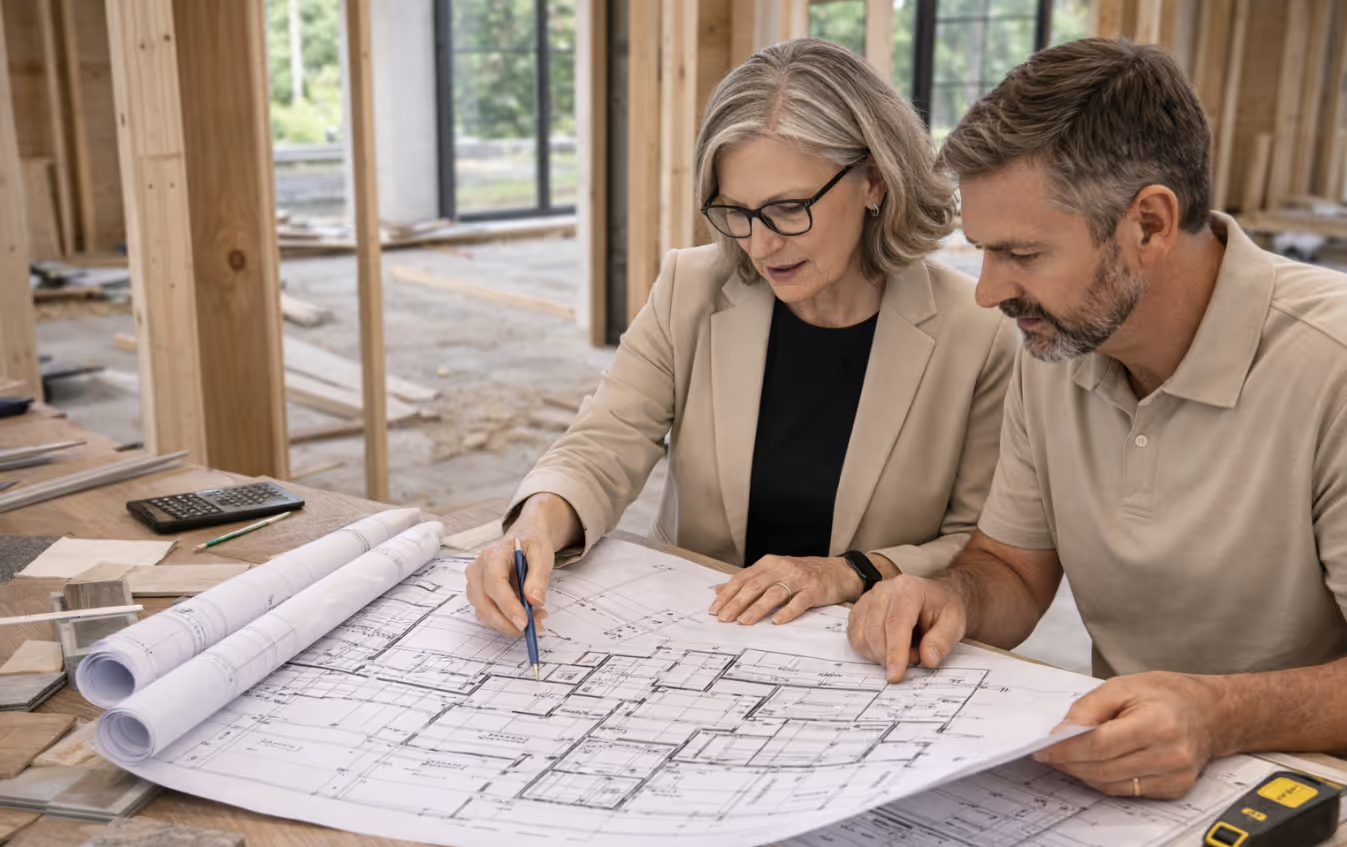
Construction is a coordination process. Every trade depends on information from the design team and the homeowner.
When that information is incomplete, decisions are made under pressure during construction. These late decisions often lead to compromises, rework, or added cost.
Early planning shifts those decisions to a controlled environment where options can be evaluated thoughtfully.
- Defined scope: Clear drawings and specifications reduce guesswork
- Aligned expectations: The team understands what is being built before work begins
- Fewer field changes: Less need to adjust completed work
This does not eliminate all risk, but it significantly reduces it.
Common causes
Risk typically enters a project through gaps in information or unclear expectations.
- Lack of visual clarity: Difficulty communicating preferences without examples
- Incomplete selections: Fixtures and finishes not decided before construction
- Uncoordinated design: Disconnect between architecture, interiors, and systems
- Late decision-making: Changes made after work has already started
These issues are avoidable with more thorough preparation.
How to reduce risk
Effective planning involves both defining the design and clearly communicating your preferences to the team.
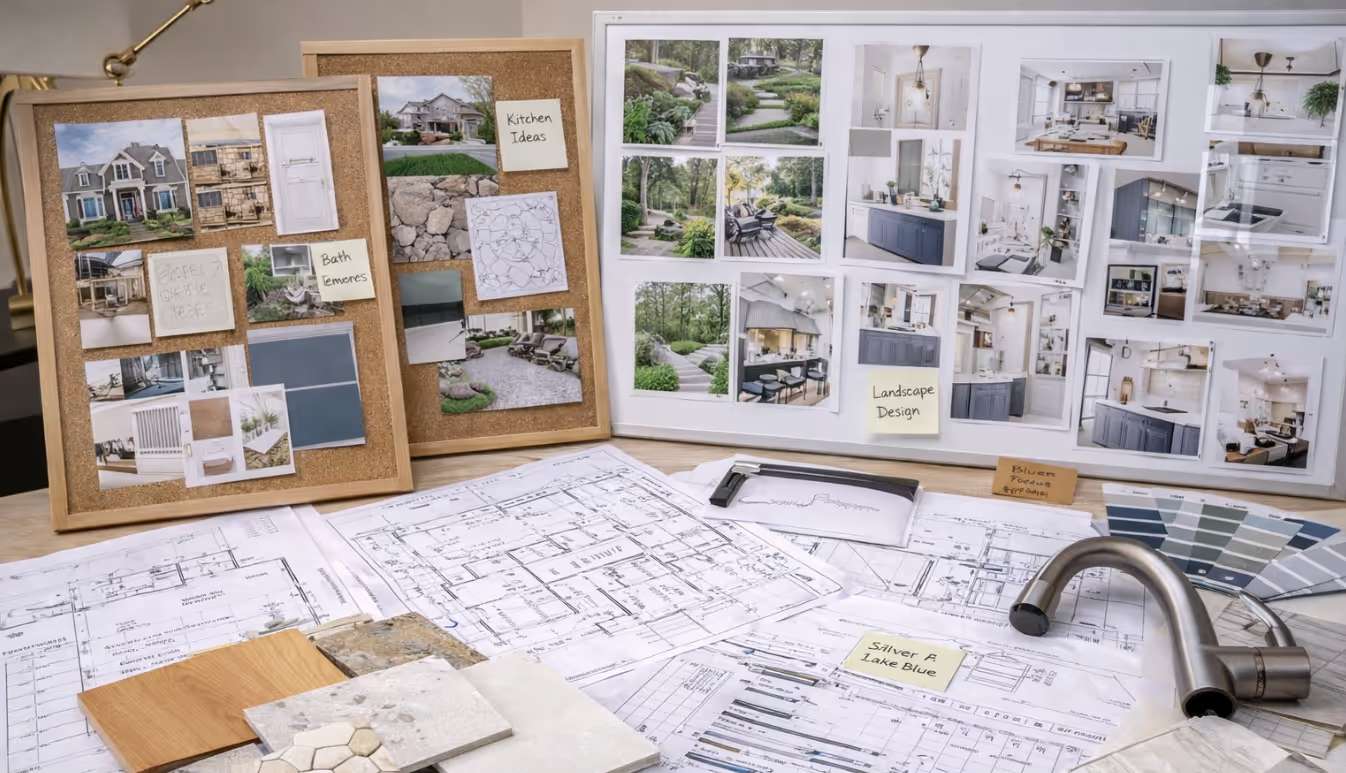
Visual tools are especially powerful. Photos, sketches, and examples often communicate intent more clearly than written descriptions.
- Inspiration boards: Use platforms like Pinterest to collect ideas and establish direction
- Showroom visits: Visit appliance and plumbing showrooms to understand options and make selections
- Real-world references: Visit homes or projects and take photos of elements you respond to
- Detailed input: Share images and notes with your architect and builder to guide decisions
These steps help translate abstract ideas into actionable design information.
The right team also plays a critical role. Consultants bring structure and clarity to the process.
- Architect: Trust an architect who produces detailed, coordinated drawings
- Interior designer: Choose someone who can develop plans and layouts, not just select finishes
- Specialists: Kitchen designers and other consultants help resolve complex areas early
A coordinated team reduces gaps and improves decision quality.
What to look for early
Before construction begins, the project should show signs of clear and coordinated planning.
- Complete drawings: Architectural and interior plans aligned with real selections
- Defined direction: Consistent design intent supported by visual references
- Resolved details: Key areas like kitchens, bathrooms, and lighting planned in advance
- Aligned team: Architect, designer, and builder working from the same information
These indicators suggest that risk has been reduced and the project is ready to move forward.
The Clarity perspective: how Clarity Building Group handles this
Risk reduction begins in preconstruction by focusing on clarity and coordination. The objective is to replace assumptions with defined information before construction starts.
Clients are encouraged to gather visual references, visit showrooms, and work closely with their design team to make selections early. This input is integrated into the project drawings and specifications.
Multiple consultants are coordinated to ensure that architecture, interiors, and systems align. Detailed scopes of work are then developed for subcontractors based on this information.
Throughout the process, budget and scope are updated as decisions are made. This creates transparency and allows risks to be identified and managed before they impact construction.