What is a Control Estimate and how is it built?
How detailed budgets are created using real subcontractor pricing
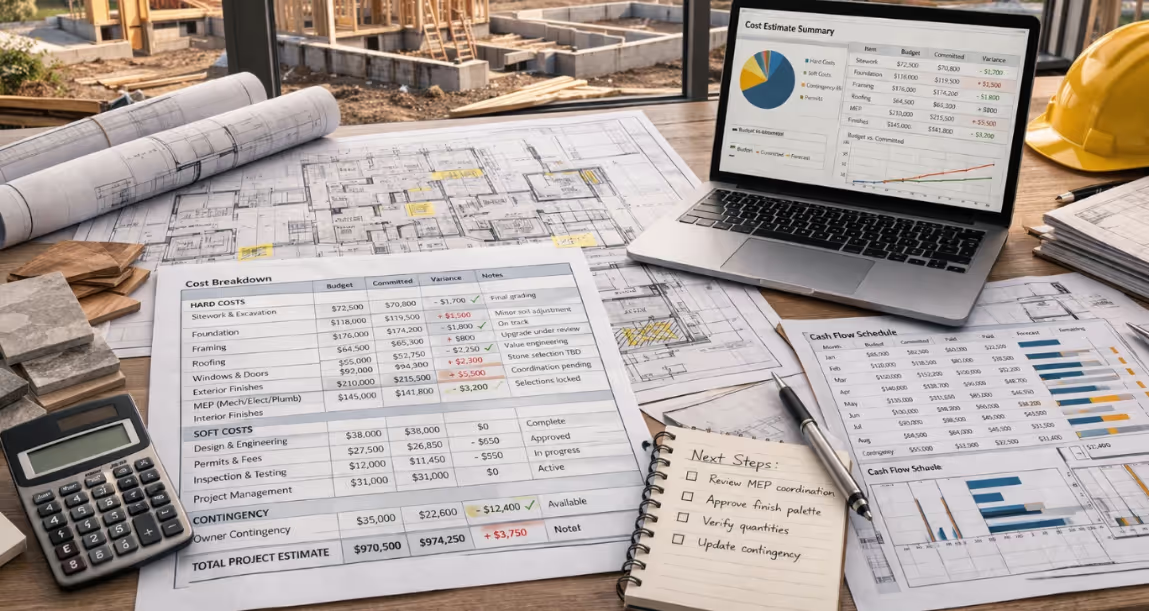
A Control Estimate is the point where a project moves from rough assumptions to real numbers. It is built using actual subcontractor bids tied to a clearly defined scope of work.
This stage is critical because it establishes a reliable budget based on what will actually be built, not what is assumed early in design.
In this article
- What a Control Estimate is
- How it is built step by step
- What information it includes
- Why some items remain allowances
- How it reduces risk during construction
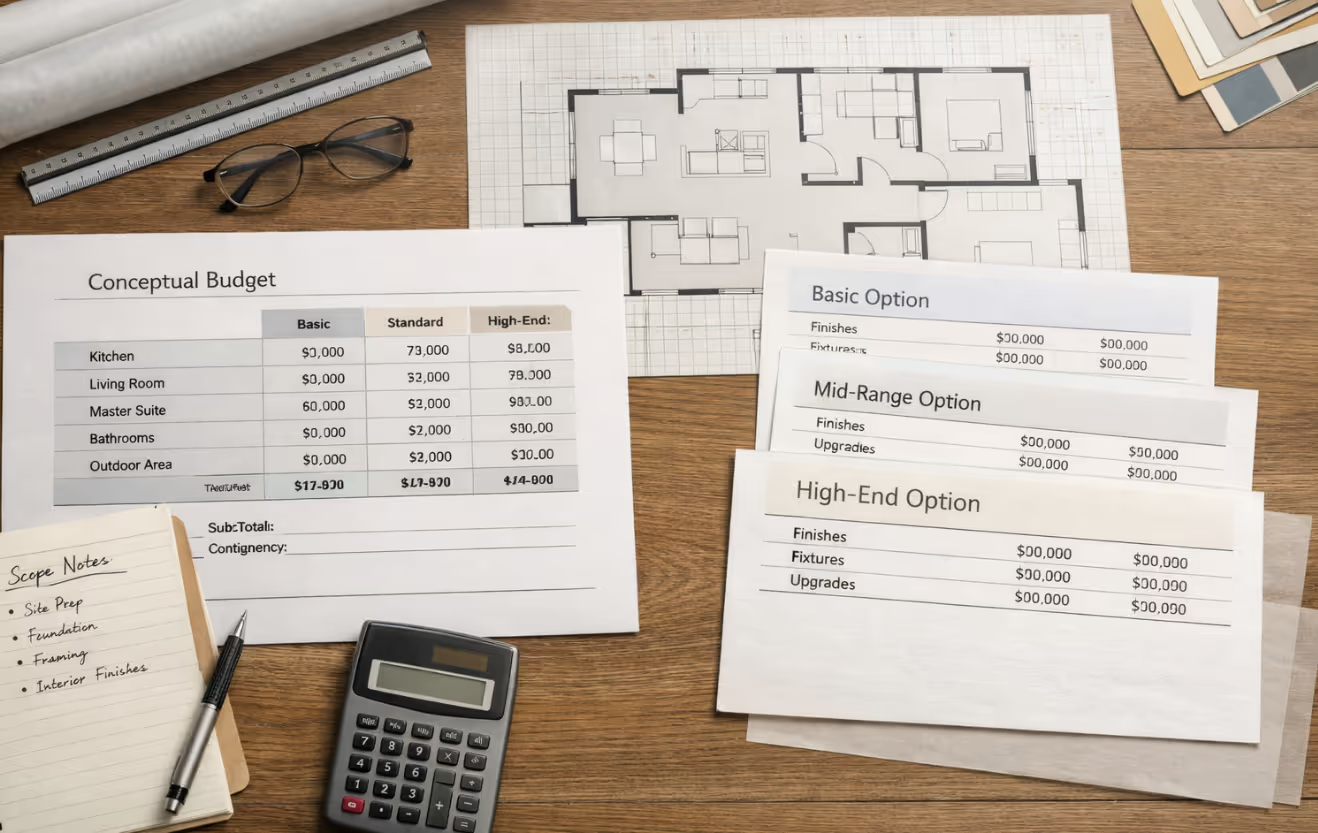
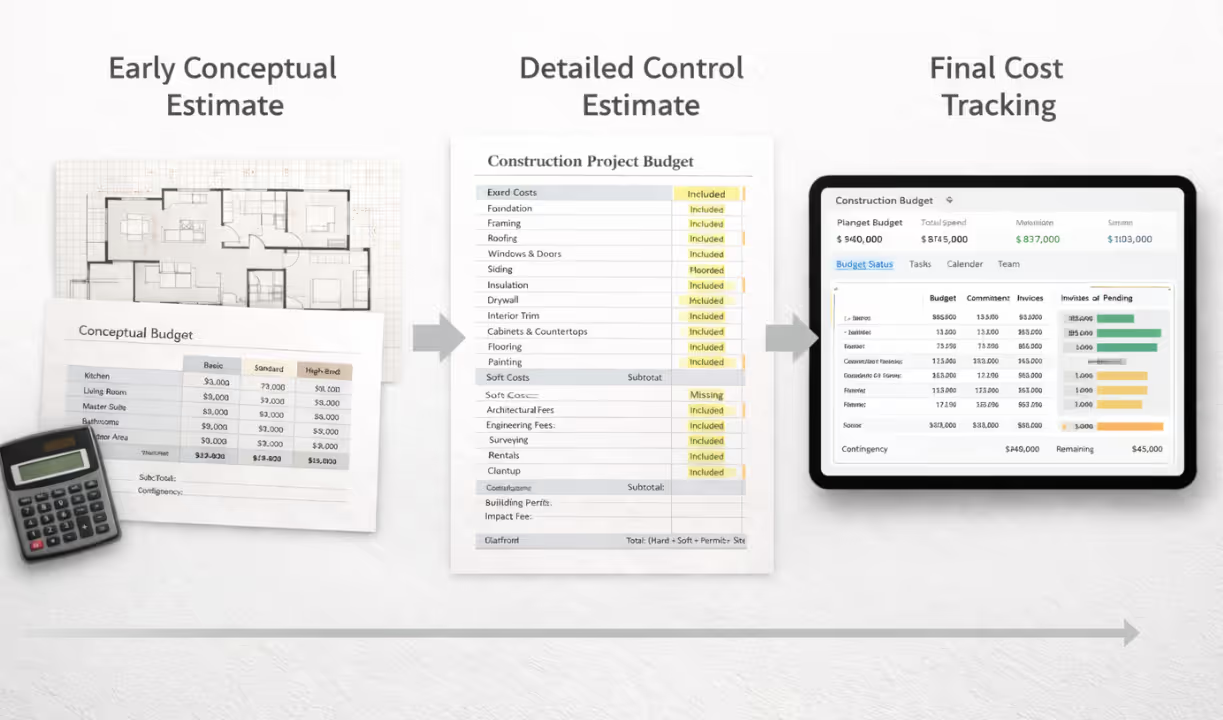
Many early budgets rely on historical data or approximations. While useful for planning, they do not reflect the final scope of a project.
The Control Estimate is where that gap is closed by aligning design, selections, and real pricing.
The short answer
A Control Estimate is a detailed budget built from real subcontractor bids based on completed drawings and defined scope.
It provides a clear and structured view of the total project cost and becomes the baseline for financial tracking during construction.
How this works step by step
The Control Estimate is developed during preconstruction after the design has progressed to a level where meaningful pricing can be obtained.
It is built using a structured cost code system that organizes the project into detailed categories.
- Scope development: Architectural drawings and homeowner decisions define what is being built
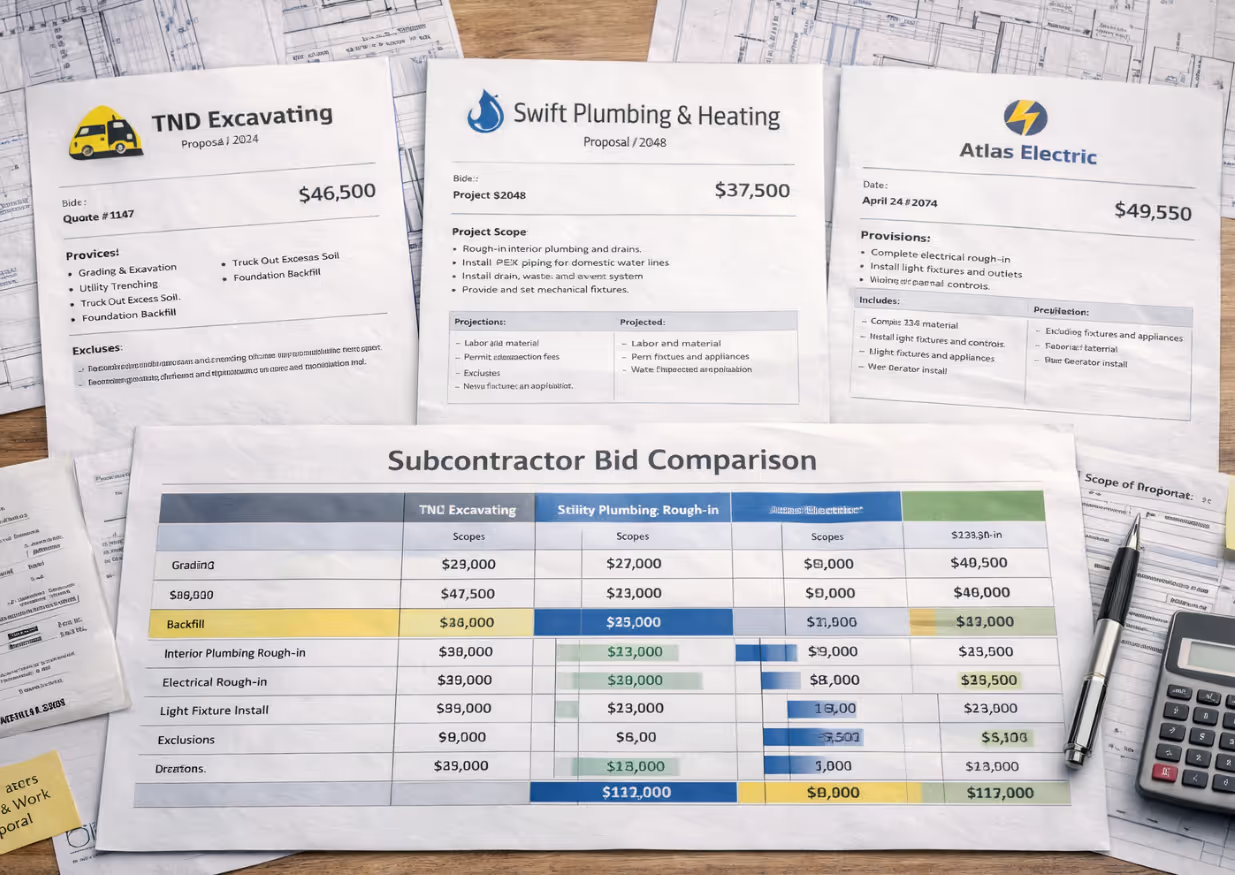
- Bid packages: Detailed scopes are issued to subcontractors for pricing
- Subcontractor bids: Real proposals are received based on that defined scope
- Cost code structure: All pricing is organized into a consistent framework
This process ensures that pricing reflects actual project intent rather than assumptions.
Impact on cost and schedule
The Control Estimate significantly improves both cost accuracy and project predictability.
- More accurate pricing: Real bids replace allowances and guesses
- Fewer change orders: Clear scope reduces gaps in subcontractor proposals
- Better planning: A complete view of what needs to be purchased and built
Because subcontractors are pricing a well-defined scope, there is less opportunity for missing items to appear later as additional costs.
This creates a more stable foundation for the construction phase.
Common delays
Developing a Control Estimate takes time because it depends on design completeness and coordination.
- Incomplete drawings: Prevent accurate bidding
- Unresolved selections: Delay final pricing for certain categories
- Coordination gaps: Misalignment between design and scope
Rushing this stage often leads to less reliable pricing and more issues later.
What to prepare
A strong Control Estimate depends on the quality of information going into it.
- Detailed architectural drawings: Clearly defining layout and construction details
- Homeowner selections: Appliances, fixtures, and finishes identified where possible
- Coordinated design team: Architect, engineers, and consultants aligned
- Defined scope of work: Each trade knows exactly what is included
This preparation allows subcontractors to provide meaningful and complete bids.
Why some items remain allowances
Not every component of a project can be fully defined at this stage. Some elements require further design development or collaboration before final decisions are made.
In these cases, allowances are used as placeholders within the Control Estimate.
- Custom millwork: Libraries, paneling, and built-ins that require detailed design
- Stair systems: Railings, balusters, and custom fabrication details
- Specialty features: Items that depend on ongoing design discussions
These allowances are not omissions. They are identified placeholders that acknowledge where decisions are still pending.
Excluding these items entirely would create an artificially low and misleading budget.
What this means in practice
The Control Estimate functions like a comprehensive planning document. It is effectively a structured list of everything required to complete the project.
Each category represents a component that must be purchased or built. Where selections are complete, real pricing is included. Where decisions are pending, allowances are used to hold a place in the budget.
This approach provides a complete picture of the project cost, even when some details are still evolving.
The Clarity perspective: how Clarity Building Group handles this
The Control Estimate is developed as a central milestone in preconstruction. It is built using detailed cost codes and real subcontractor bids tied to clearly defined scopes of work.
Multiple bids are obtained for each trade to ensure competitive and accurate pricing. The design team and homeowner collaborate to refine selections so that as many categories as possible reflect real decisions.
Where design is not yet complete, allowances are included deliberately to maintain a complete and transparent budget.
Once established, the Control Estimate becomes the baseline for ongoing financial tracking. As construction progresses, actual costs are compared against this baseline, allowing for clear visibility and control throughout the project.