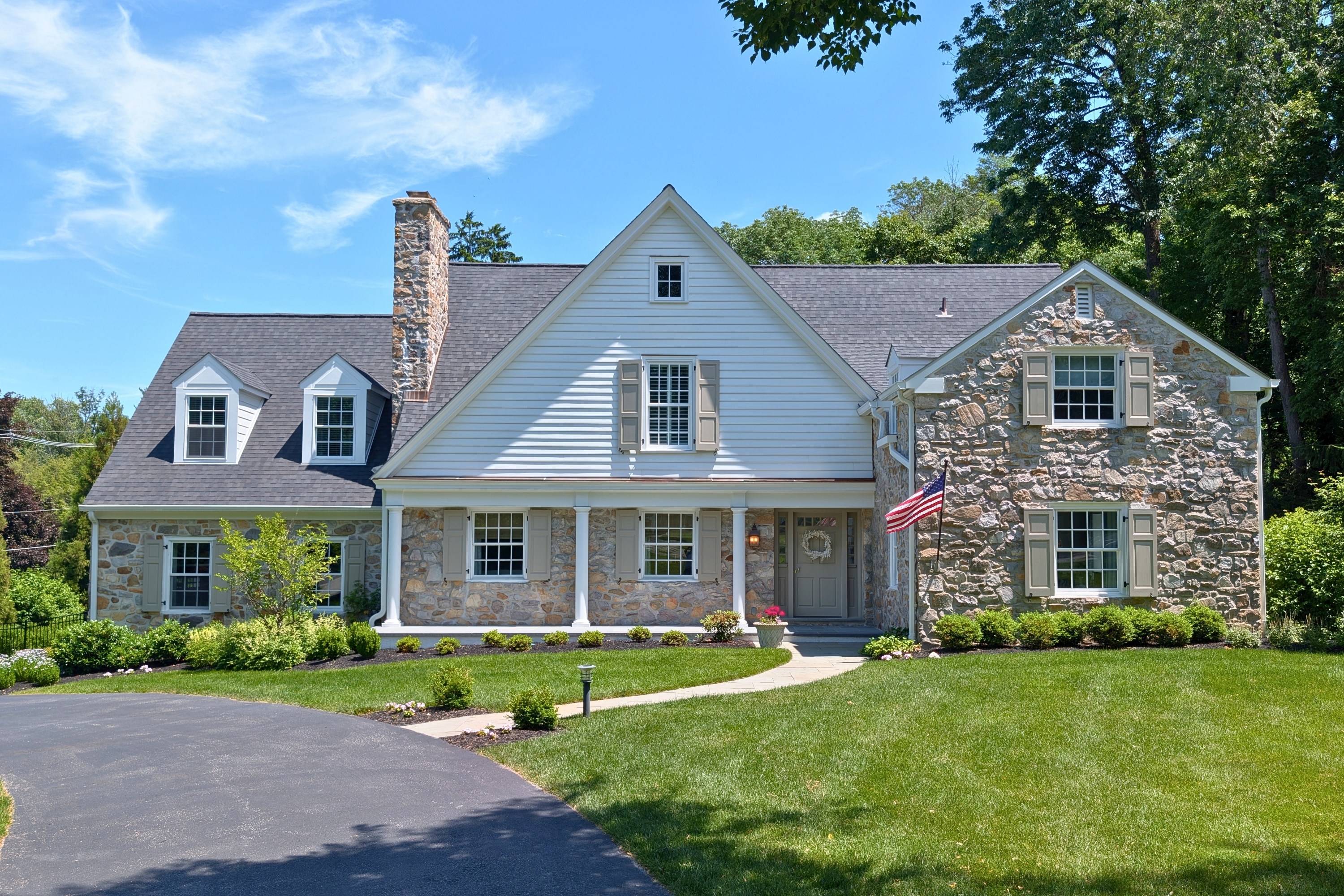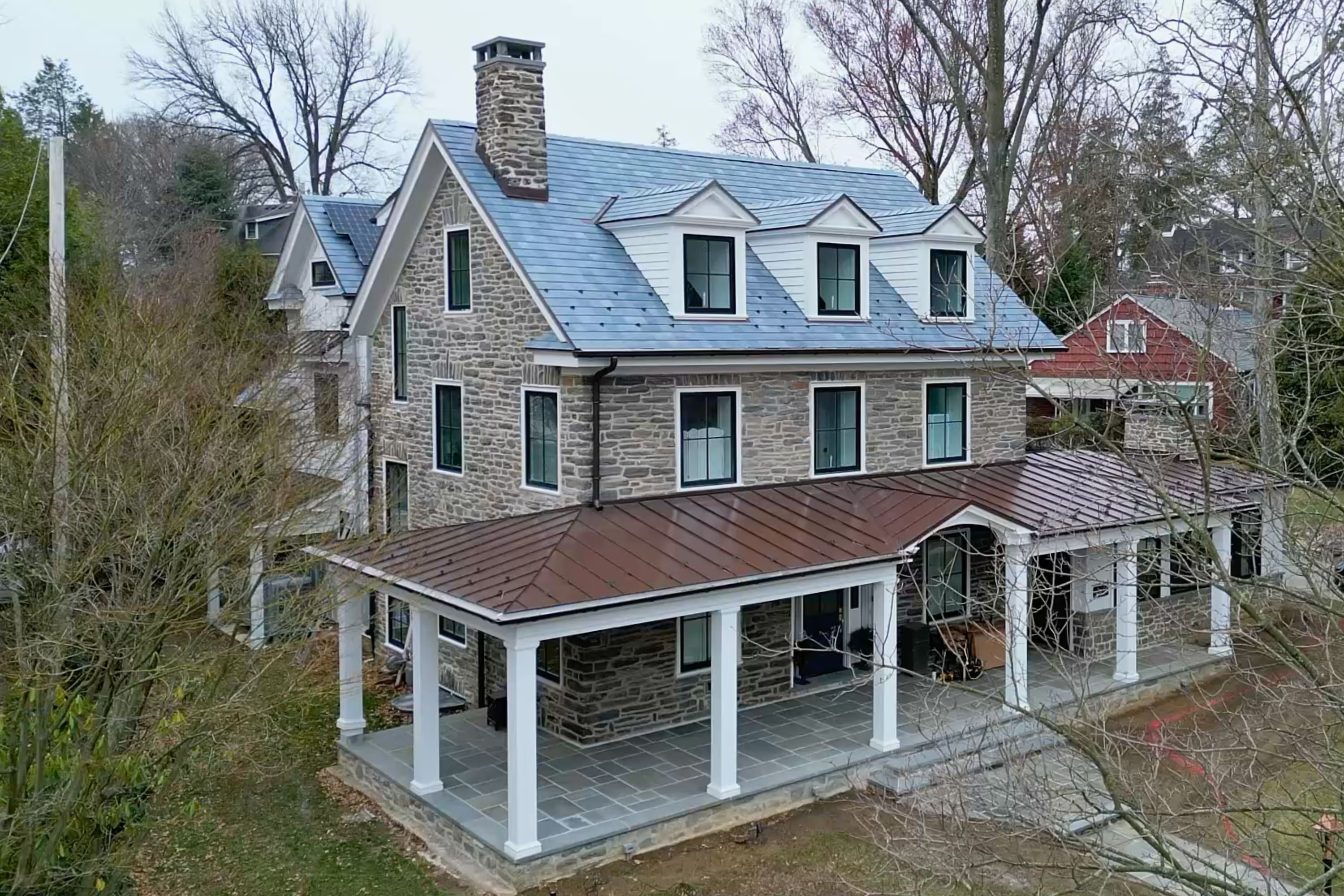
Quarry Edge
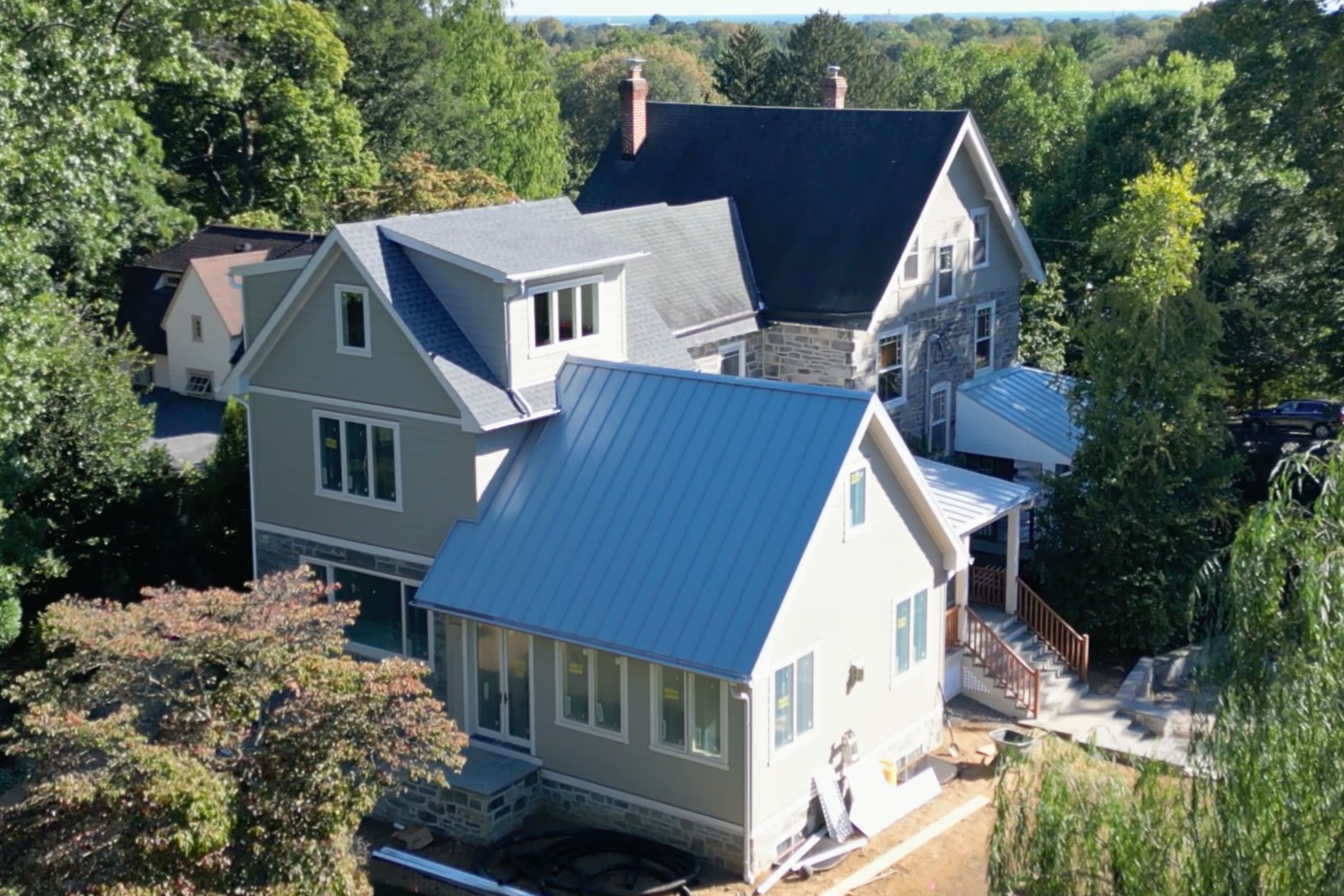
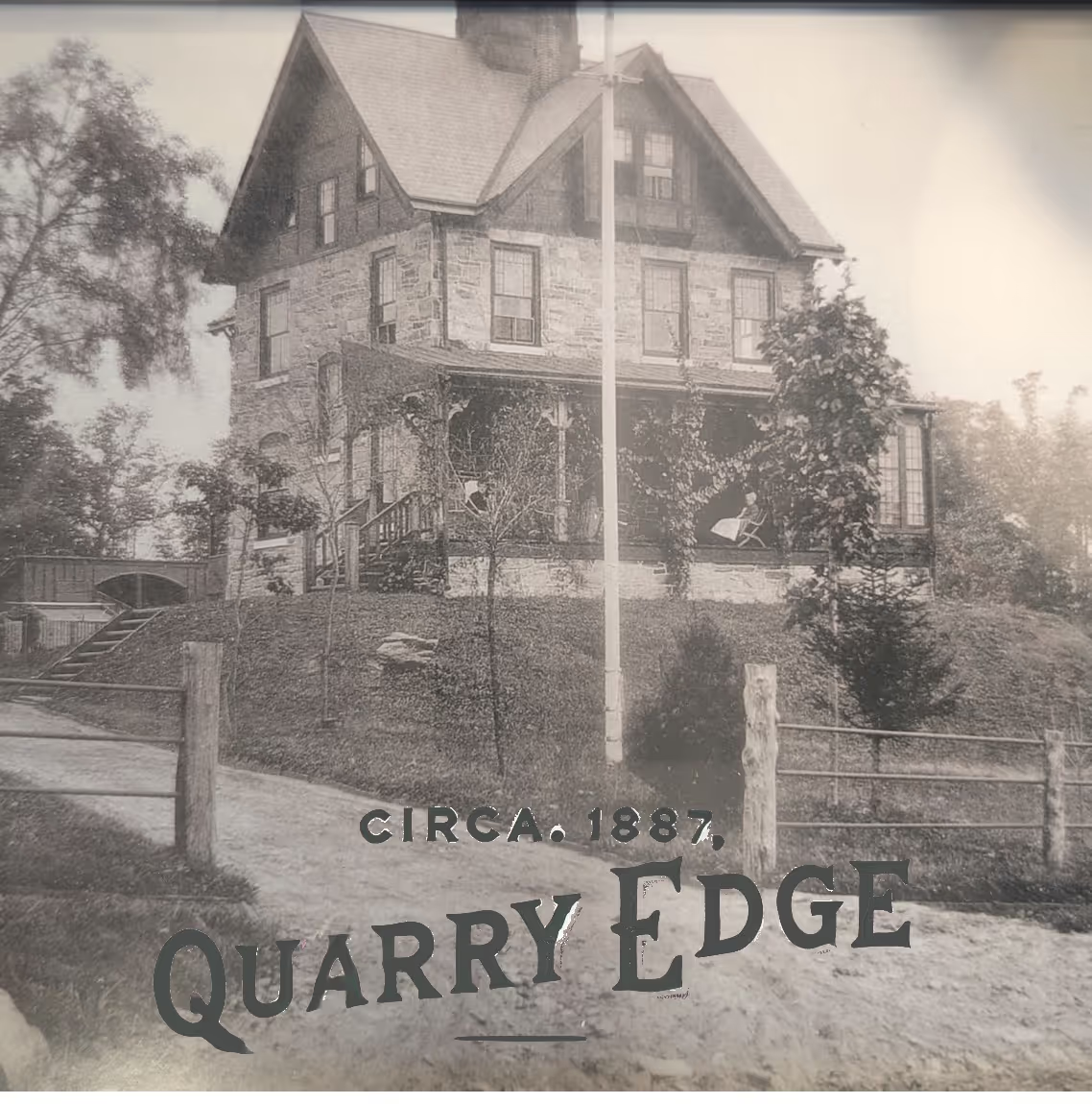
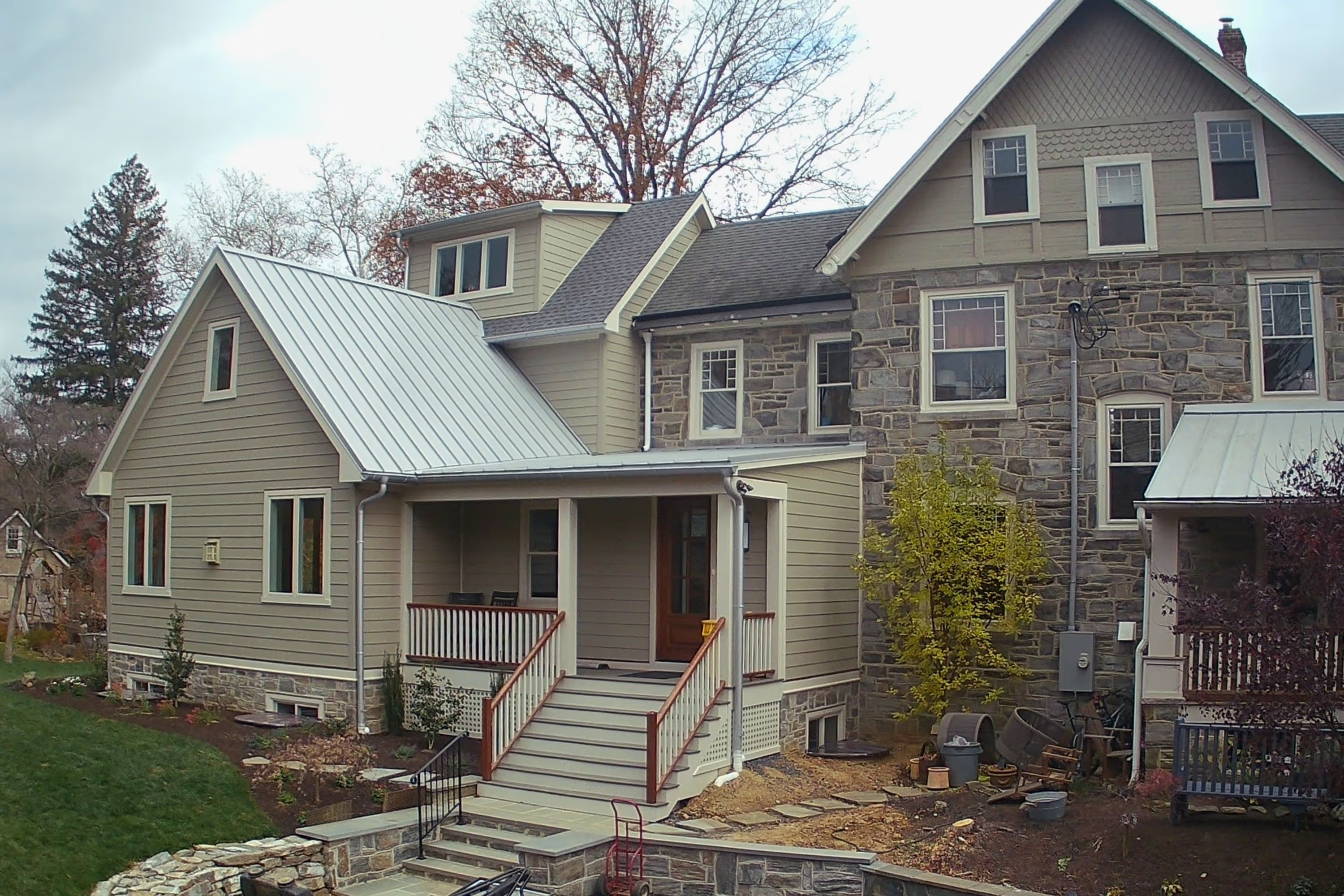
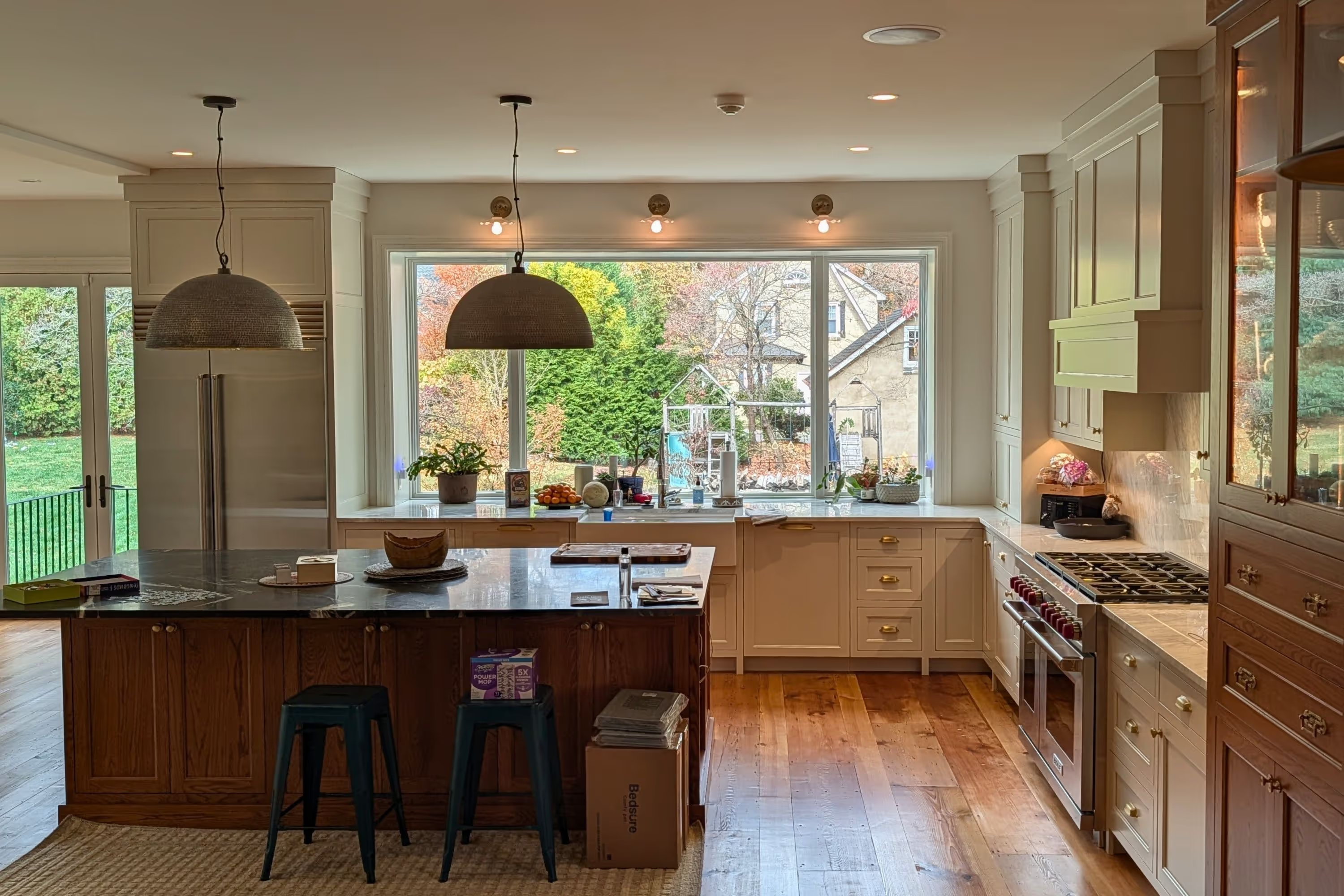
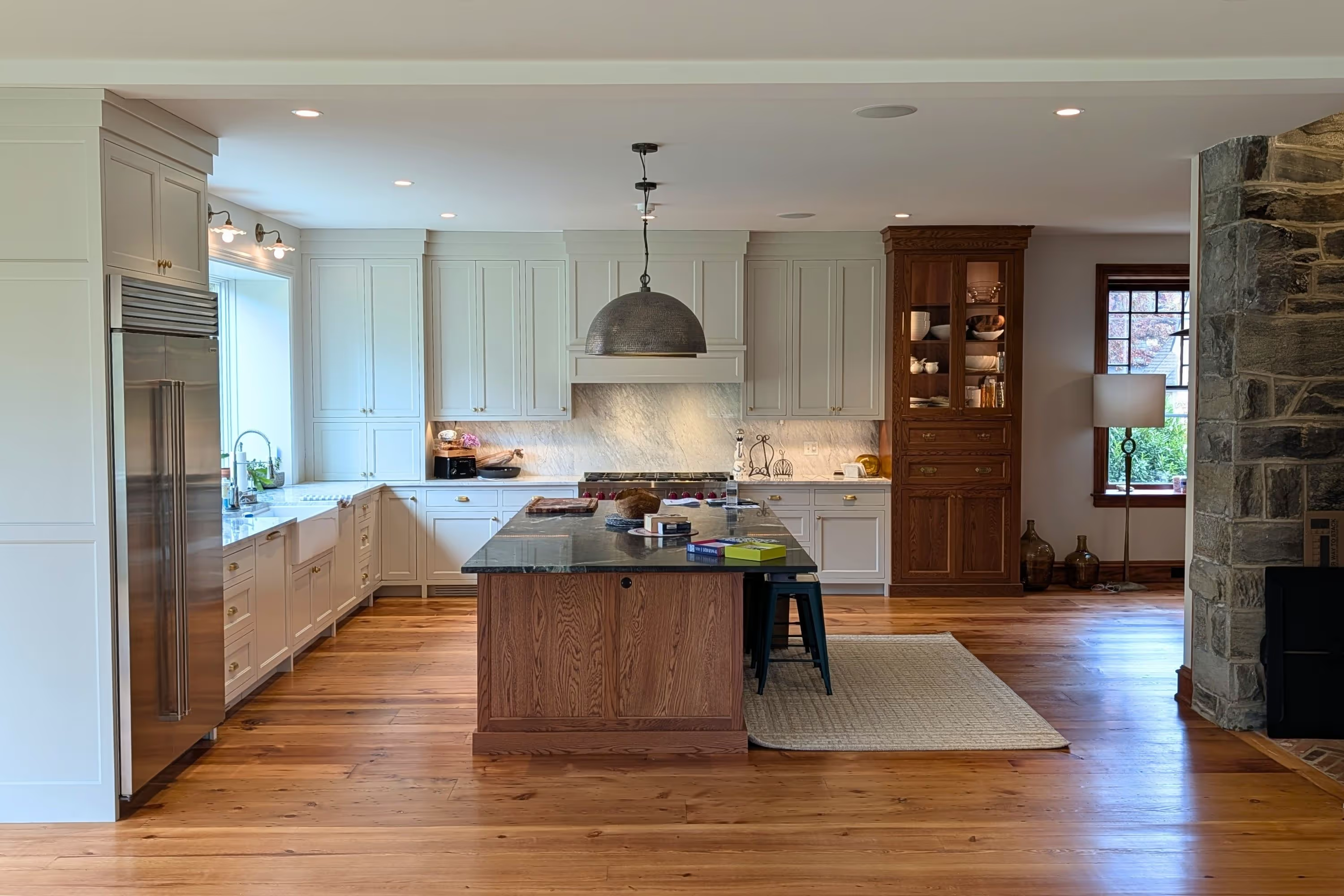
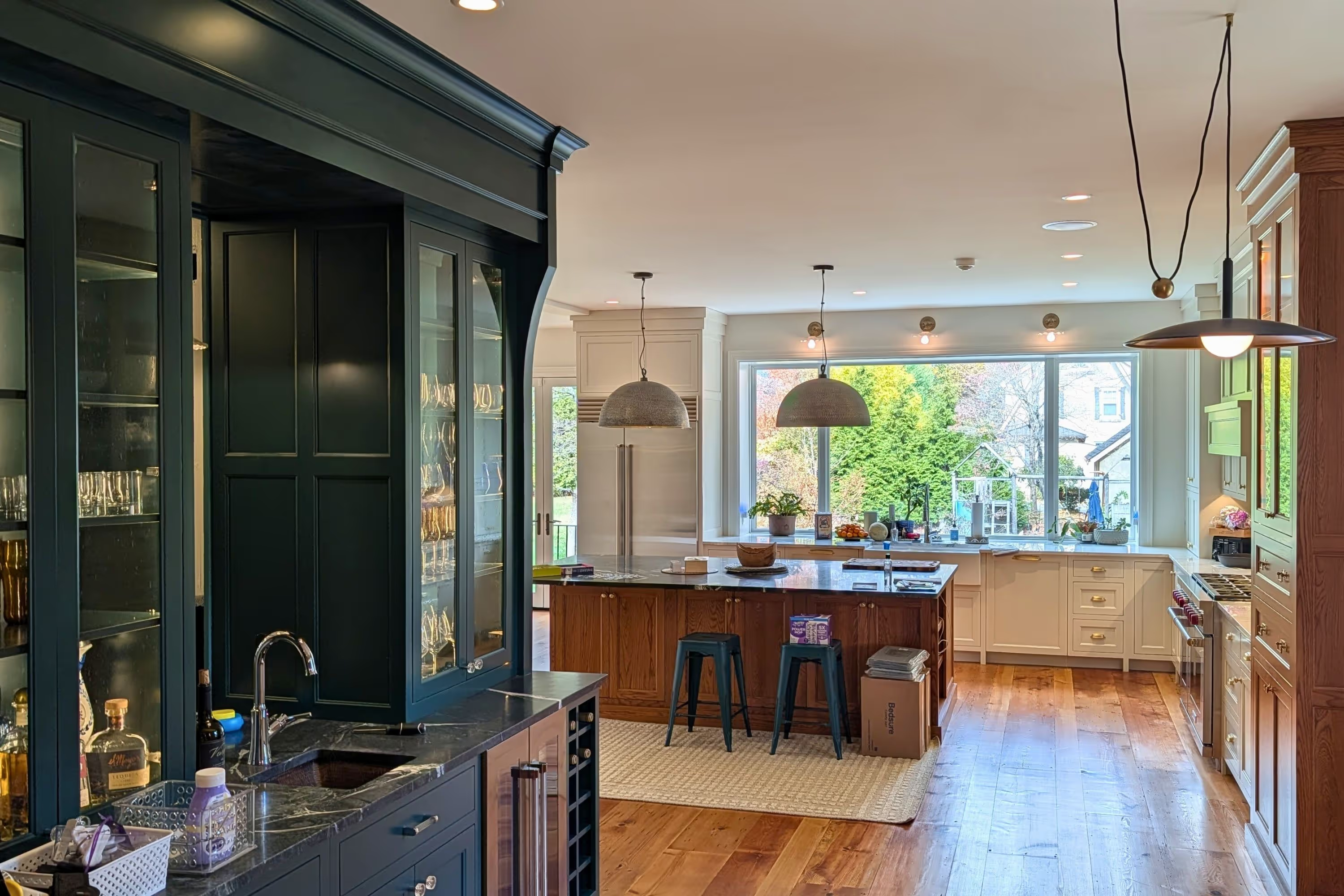
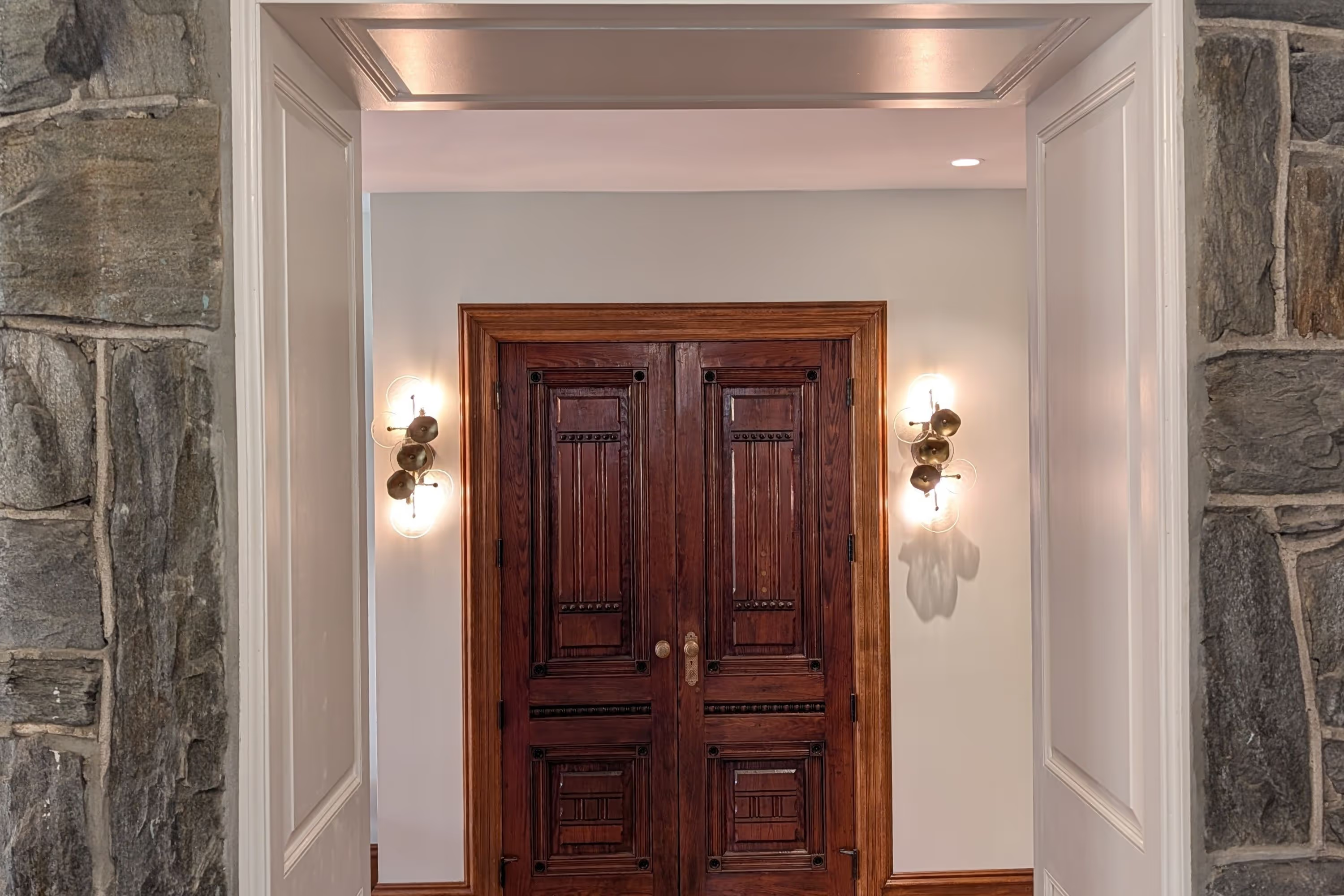
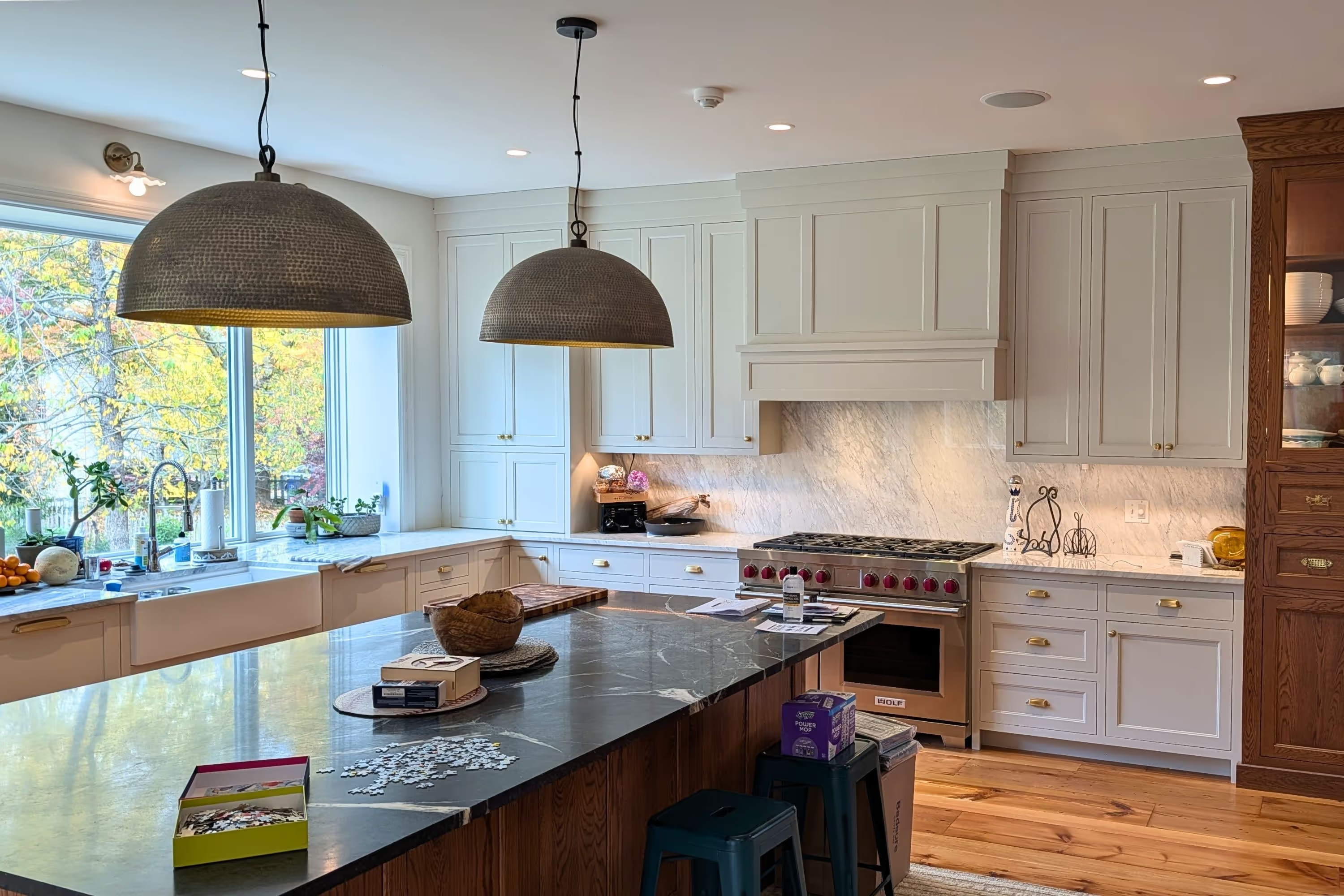
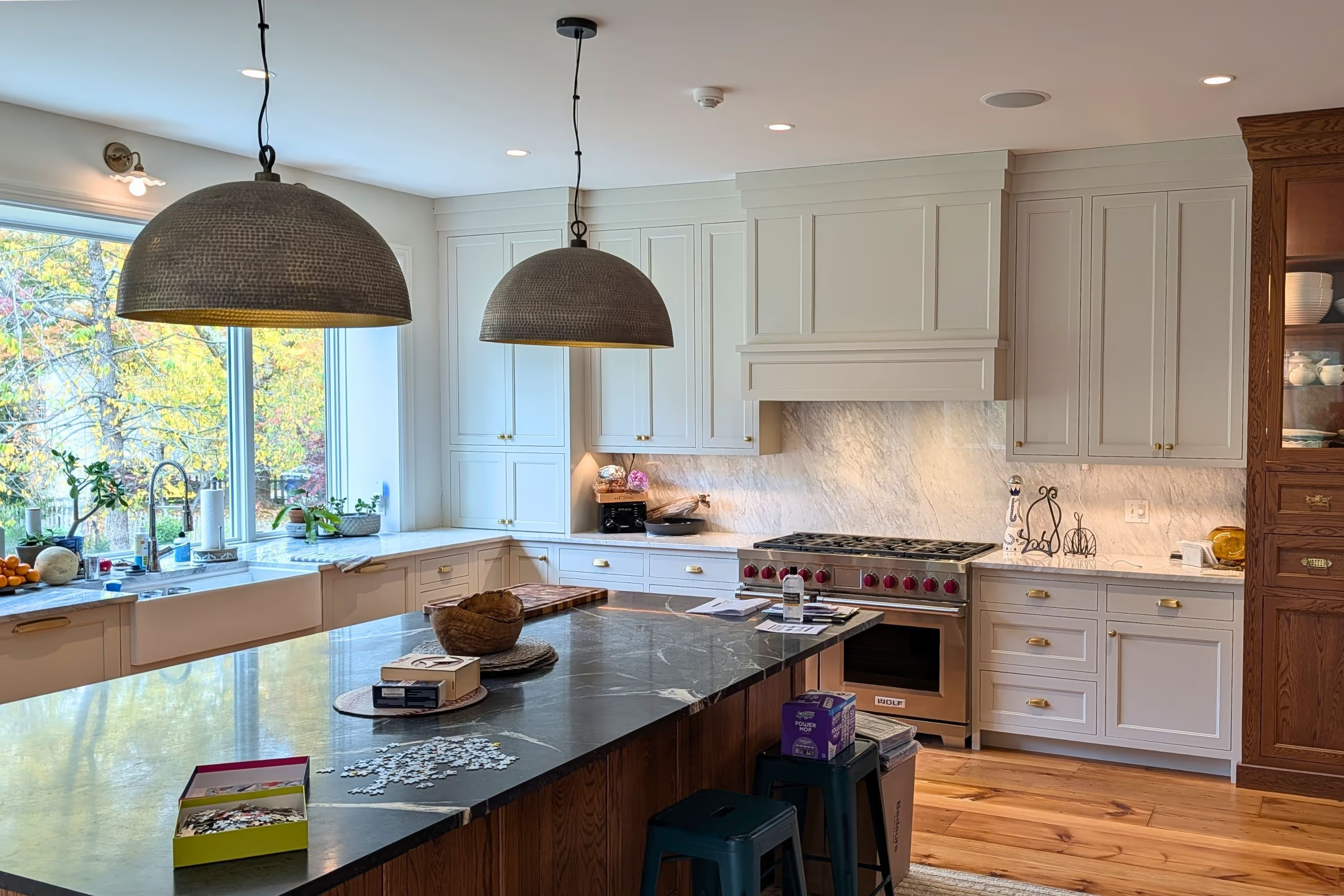
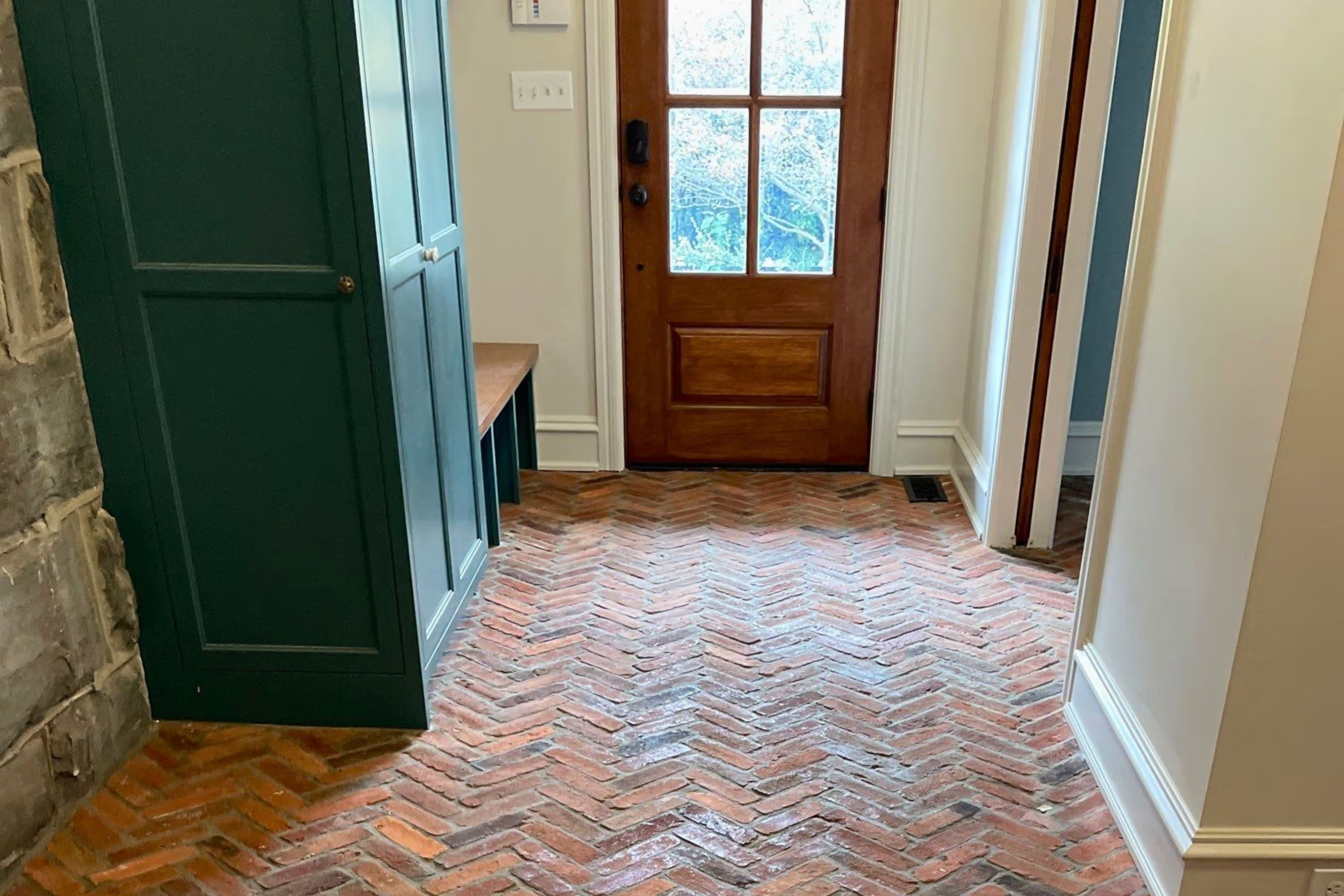
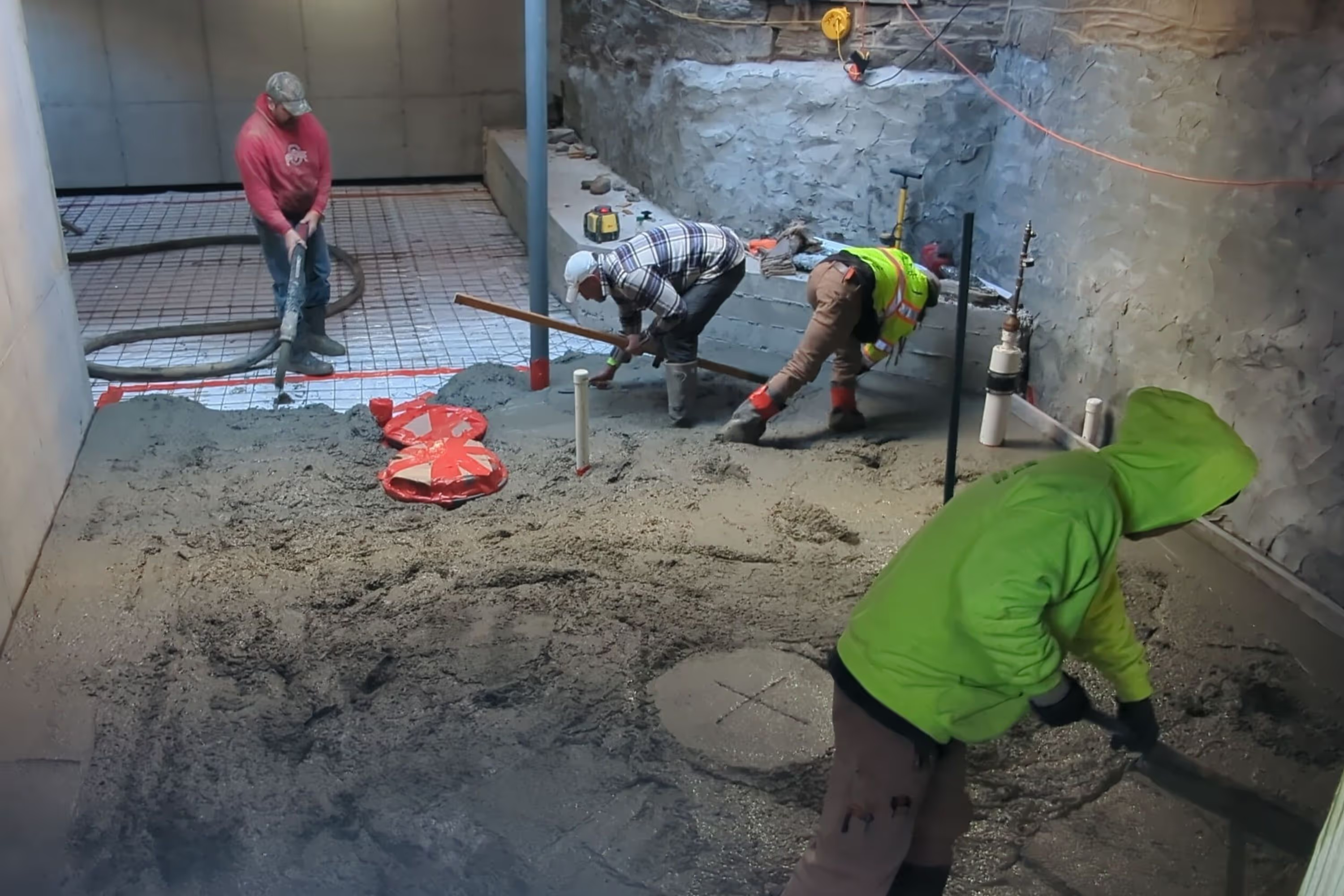
This project is a comprehensive home renovation and addition that beautifully marries an original stone structure with new construction. The building process involved extensive structural phases, including pouring concrete floors, framing new exterior walls, and performing detailed stone masonry on both the foundation and exterior. A strong focus on traditional craftsmanship and rustic charm is evident throughout the interior updates, highlighted by the installation of a custom herringbone brick floor, the preparation and cutting of wide-plank wood flooring, and the inclusion of ornate wooden double doors with antique-style hardware. The culmination of the project is a bright, fully modernized kitchen featuring a large central island, sleek white and dark green cabinetry, modern appliances, and large windows, all beautifully accented by exposed interior stone walls that tie the new spaces to the home's historic roots.
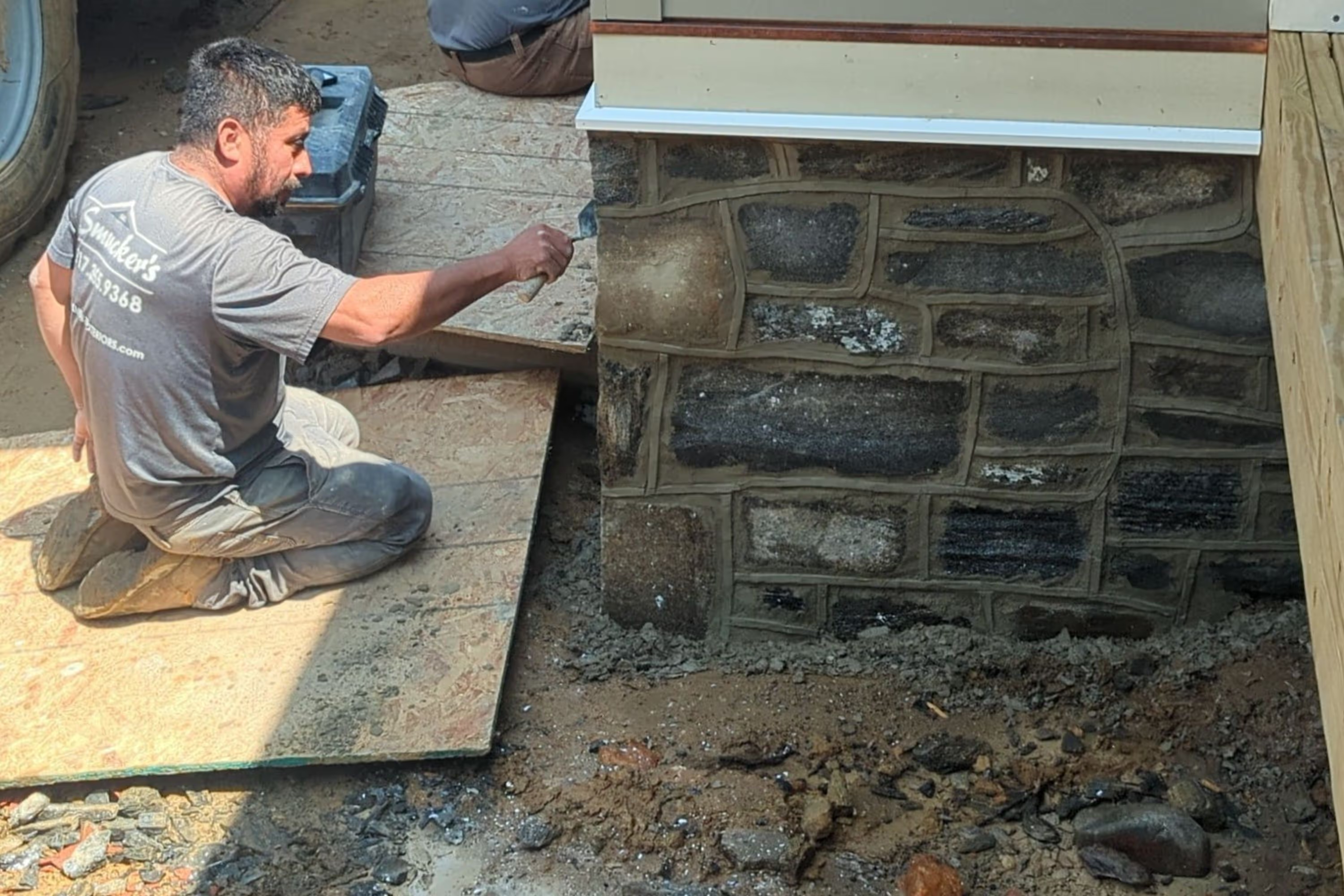
Securing the weight of history before building the future
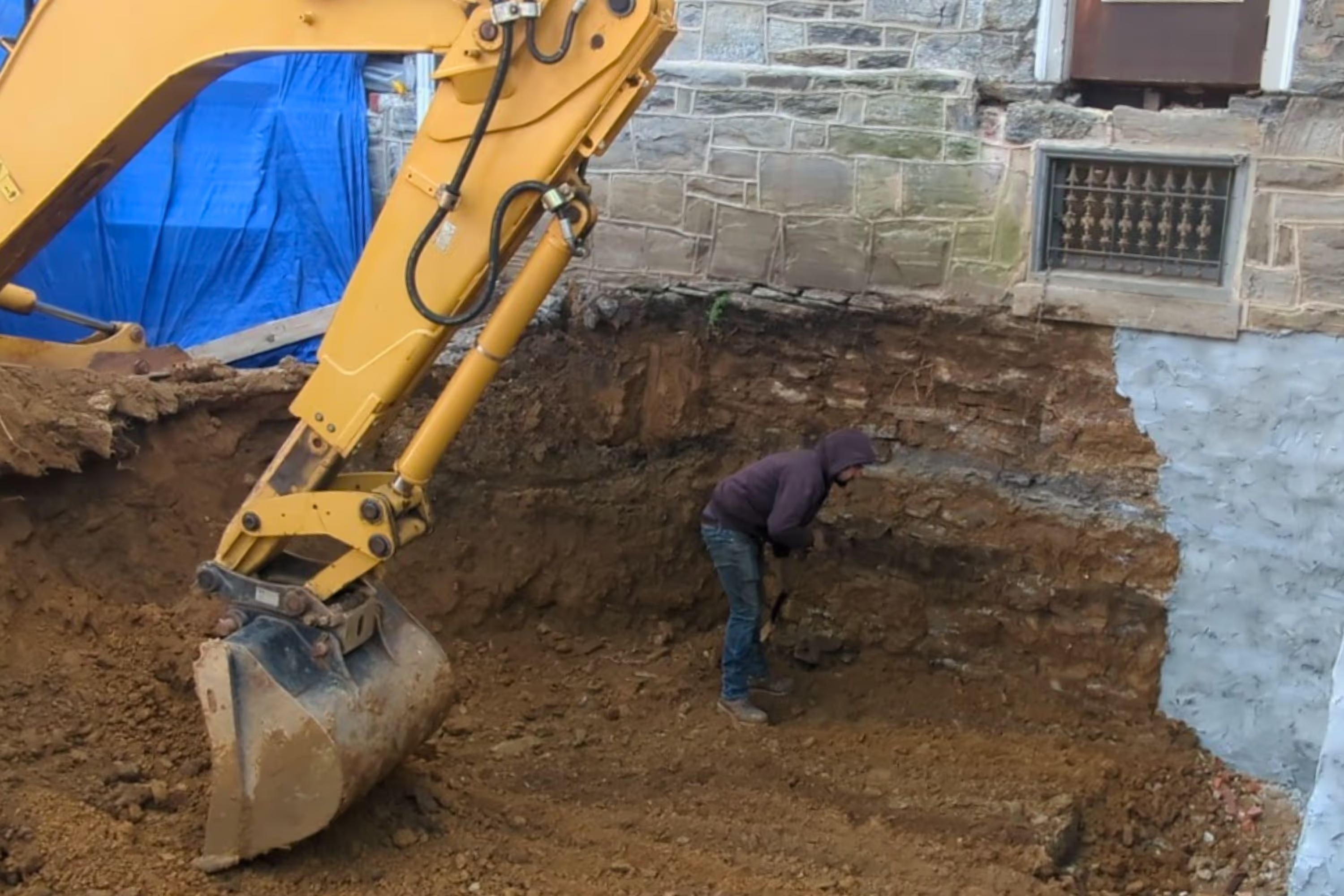
What you’re looking at:
This shows the manual preparation and parging of an original stone foundation wall. Hand-digging ensures the rubble masonry is fully exposed and stabilized before we transition from the historic structure to the newly excavated addition footprint.
Why it matters:
Stabilizing a historic rubble foundation is a critical structural prerequisite before introducing new loads or adjacent excavations. Applying a parge coat consolidates loose mortar joints and creates a uniform plane, ensuring the original masonry maintains its integrity. This methodical approach prevents lateral movement and provides a reliable substrate for the structural tie-ins required between the legacy home and the new construction.
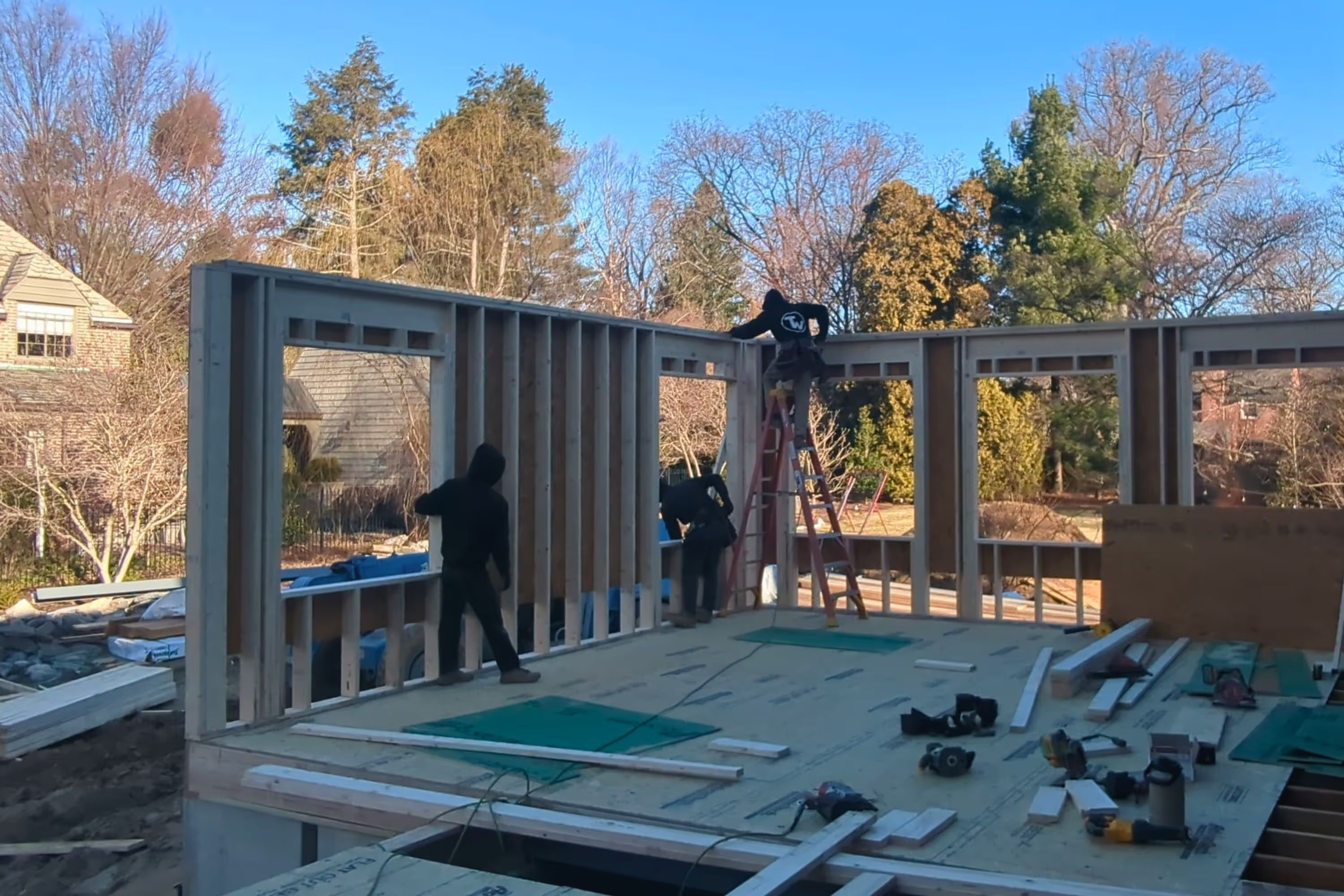
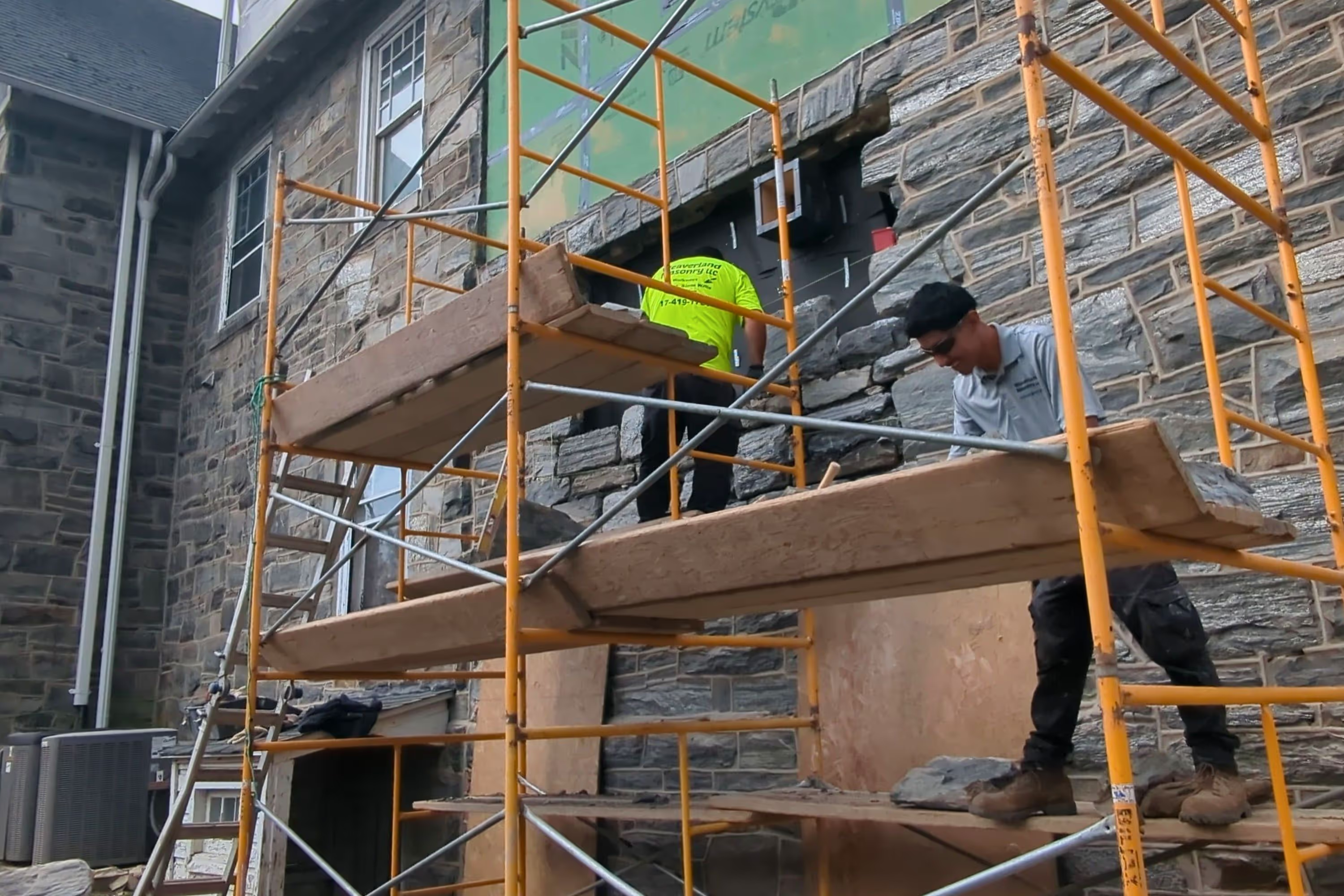
Precision framing meets timeless masonry
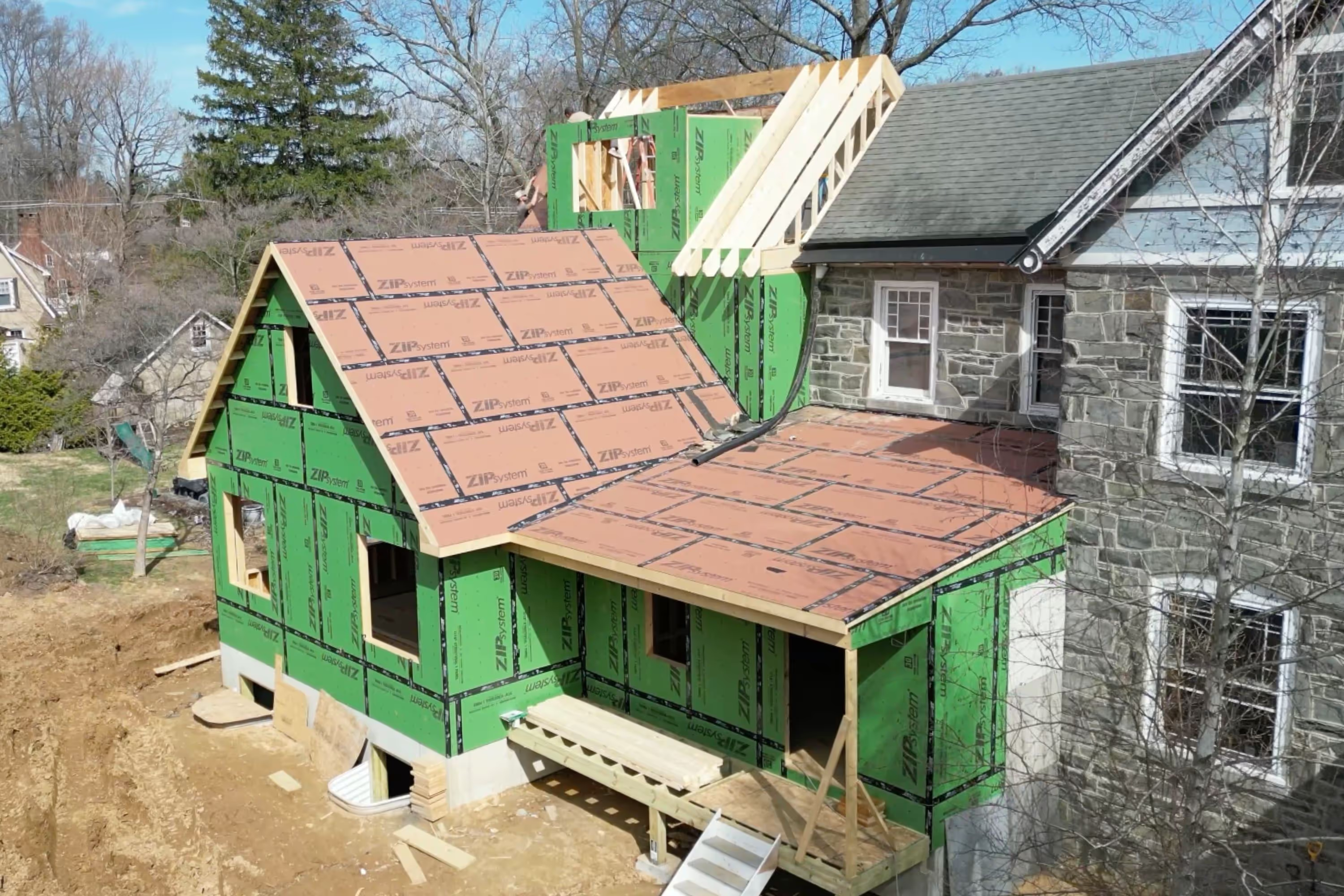
What you’re looking at:
This phase of a complex stone-home addition shows the structural integration of new framing with the original masonry. The building is being "dried-in" using an integrated air and water barrier system across the walls and roof decks.
Why it matters:
Achieving an airtight, weather-protected shell early in the process is critical for long-term durability. By using an integrated barrier system, we manage moisture and air infiltration at the structural level rather than relying solely on exterior cladding. This meticulous sequencing protects the transition between the new framing and the original stone, ensuring the home remains high-performing and energy-efficient for decades to come.
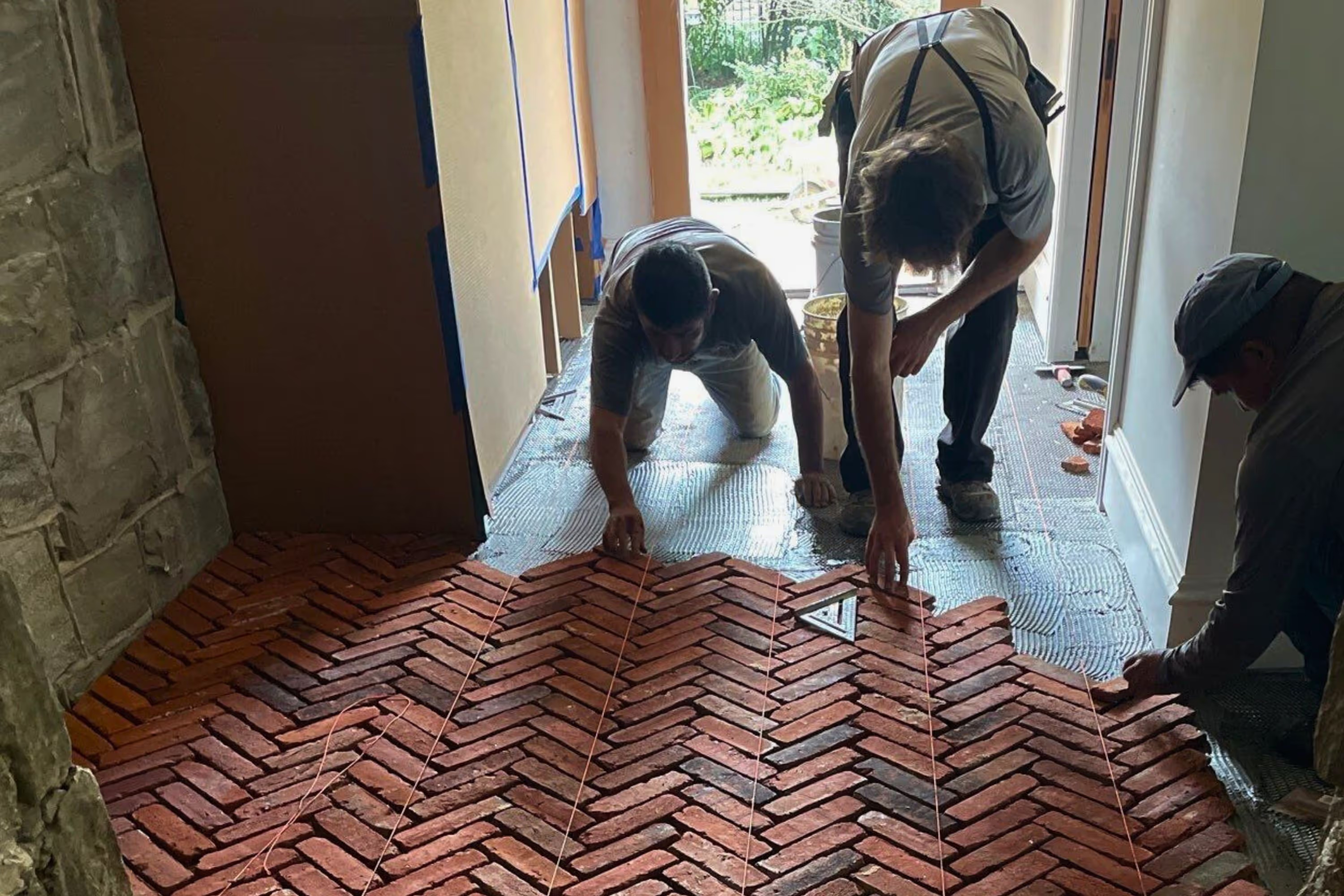
Layout begins from a central axis to ensure symmetry
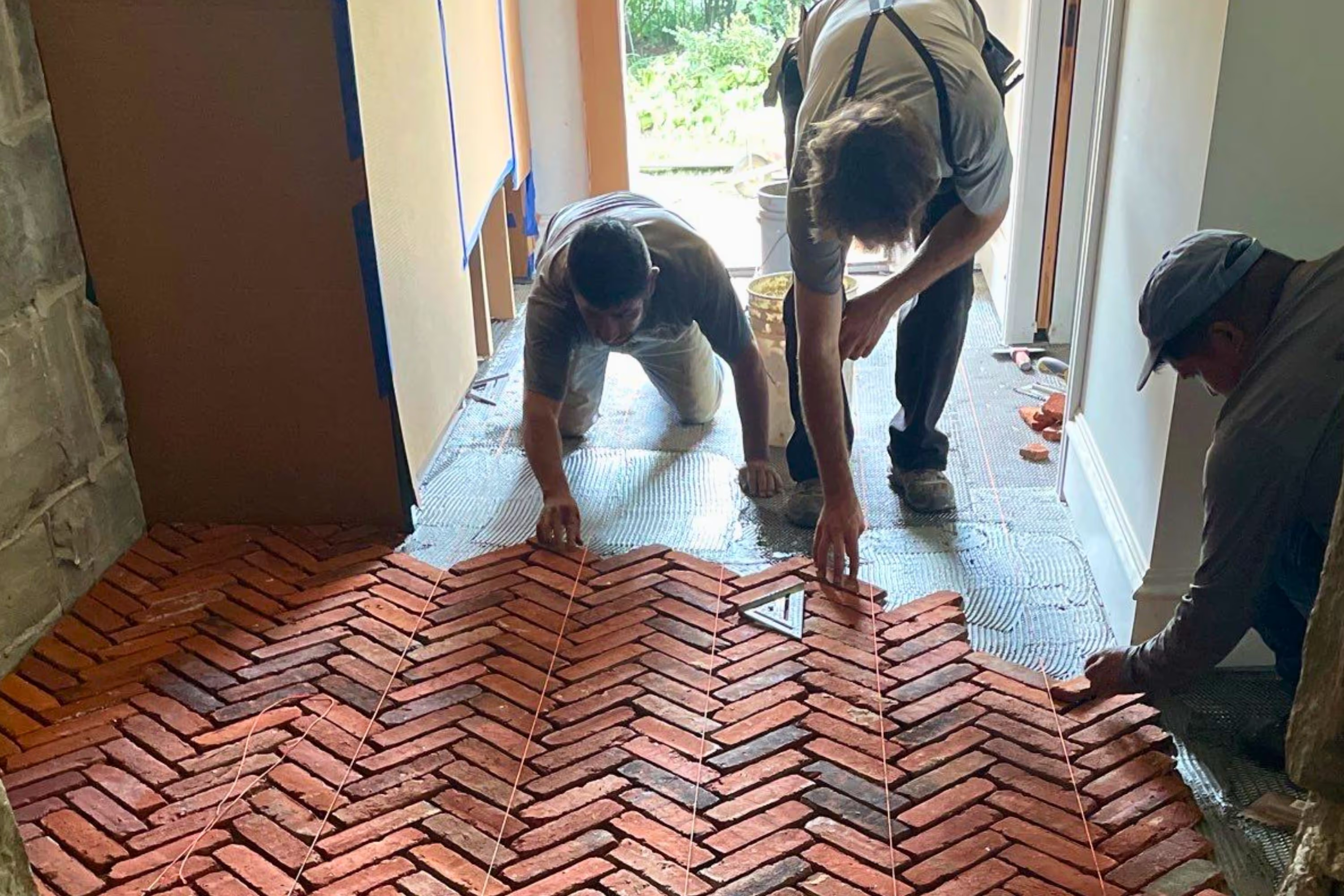
What you’re looking at:
Three masons are meticulously hand-setting a brick floor in a precise herringbone pattern. Using manual string lines and a speed square, they ensure the complex geometry remains perfectly aligned across the expansive, high-traffic transition space between these living areas.
Why it matters:
Achieving a flawless herringbone requires rigorous layout discipline; even a fraction of an inch of drift can ruin the visual alignment at the far wall. The underlying anti-fracture membrane and notched mortar bed provide a stable, decoupled base, preventing movement in the subfloor from telegraphing through the masonry. This deliberate sequencing ensures the floor remains both structurally sound and aesthetically perfect for decades to come.
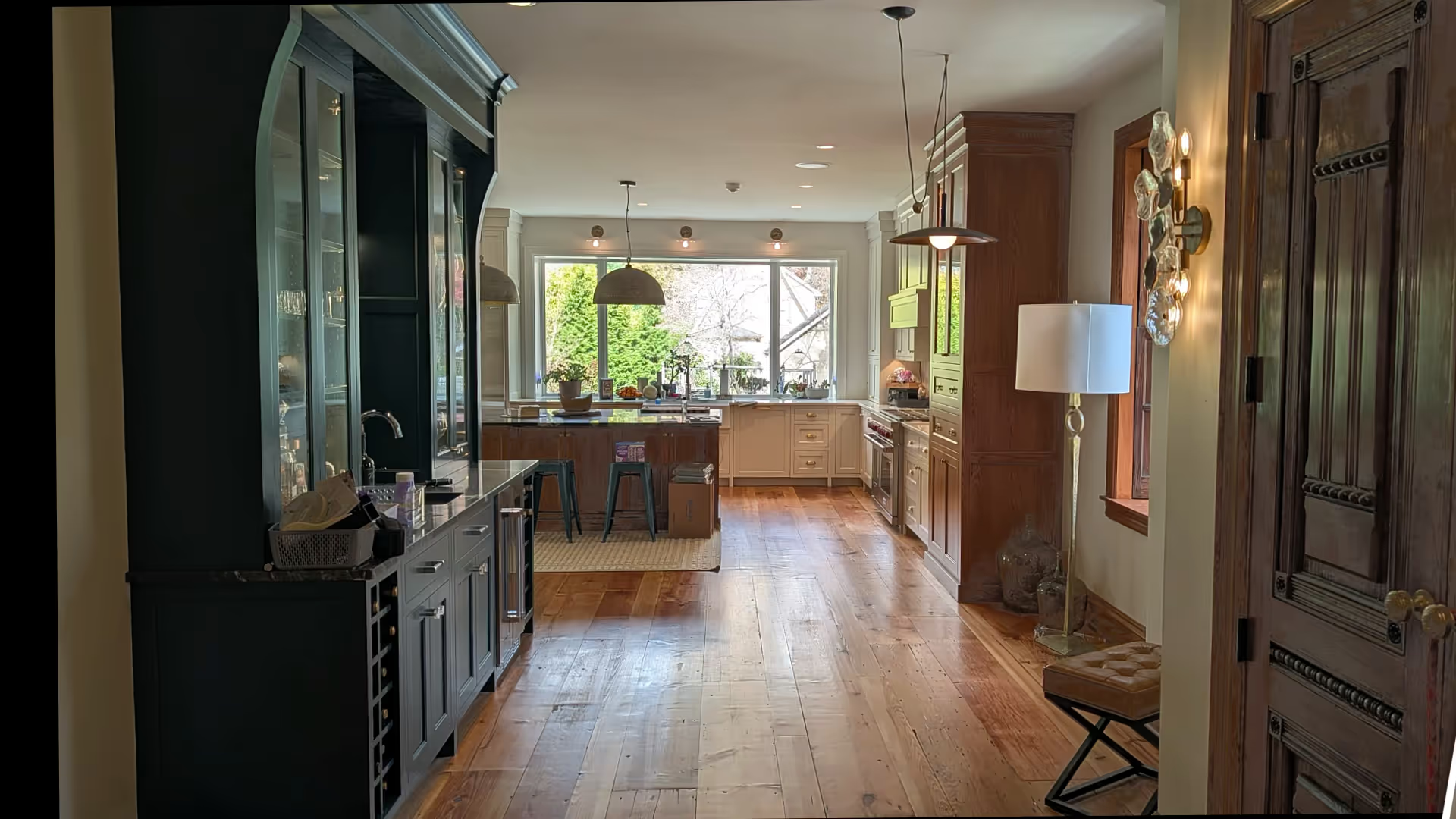
Before and after
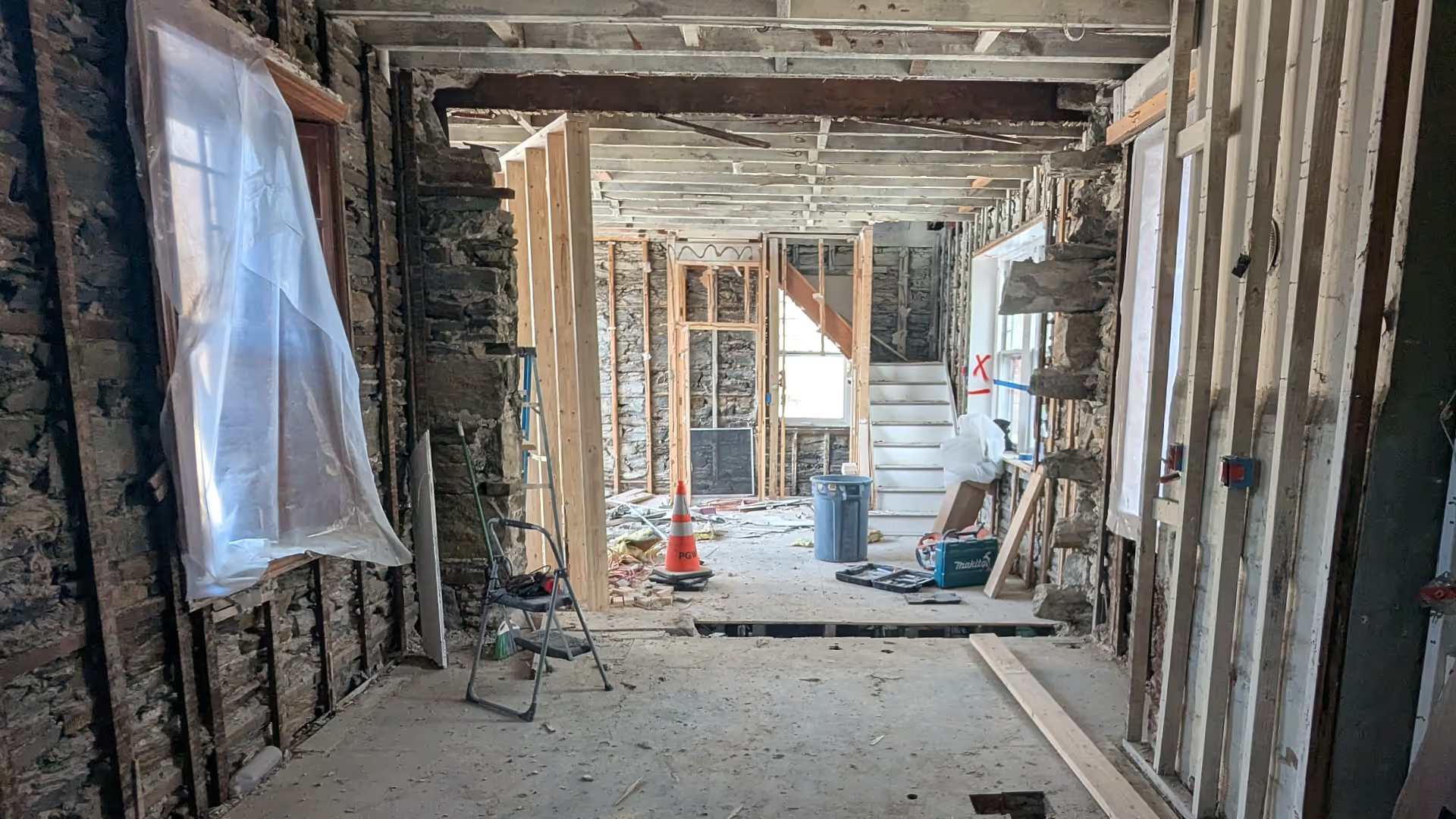
See the transformation from a shell of a stone home to a completed kitchen and bar area throughout the rear of this home
Gallery Collection
View Construction Archive
Video Series