
Heritage Link

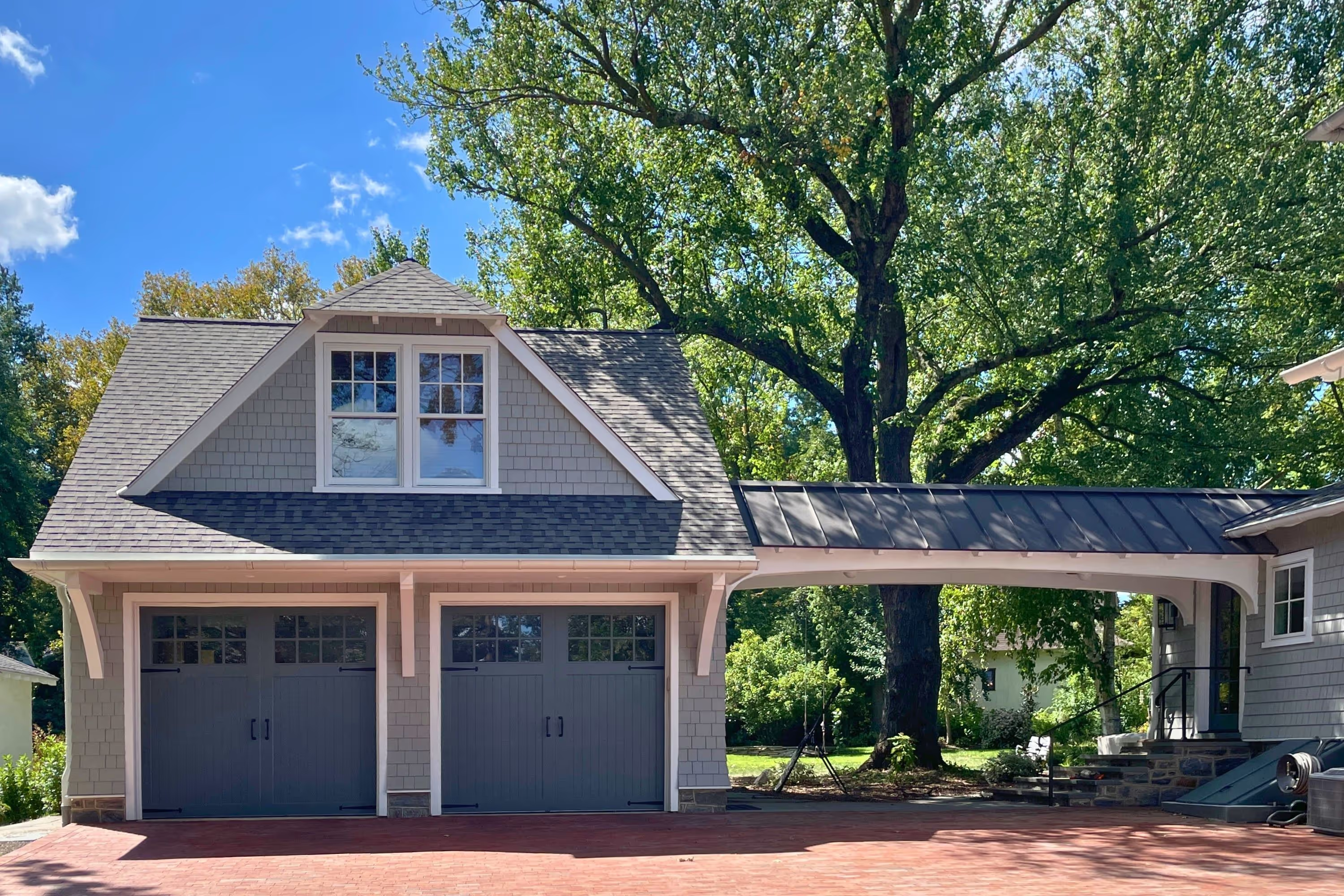
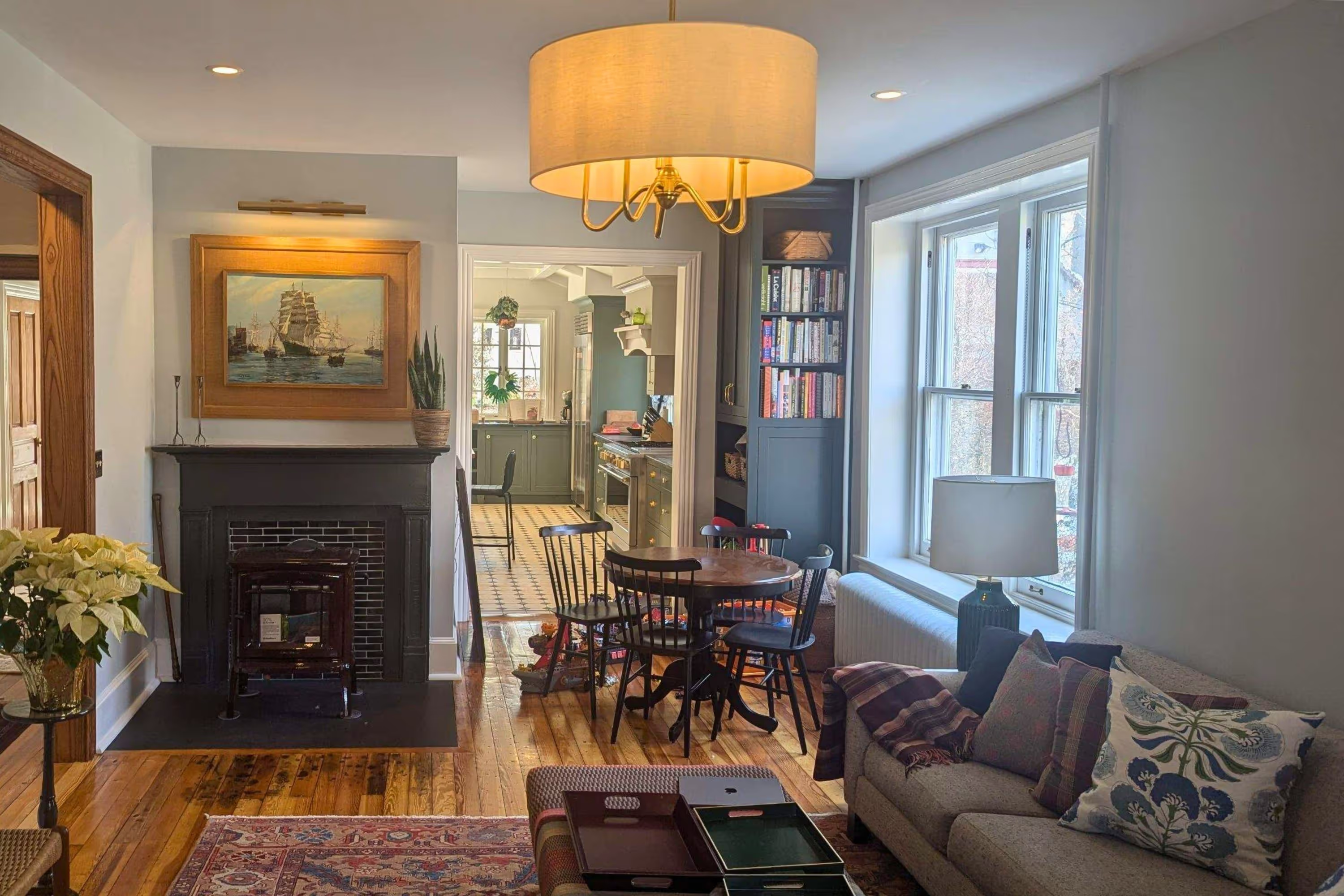
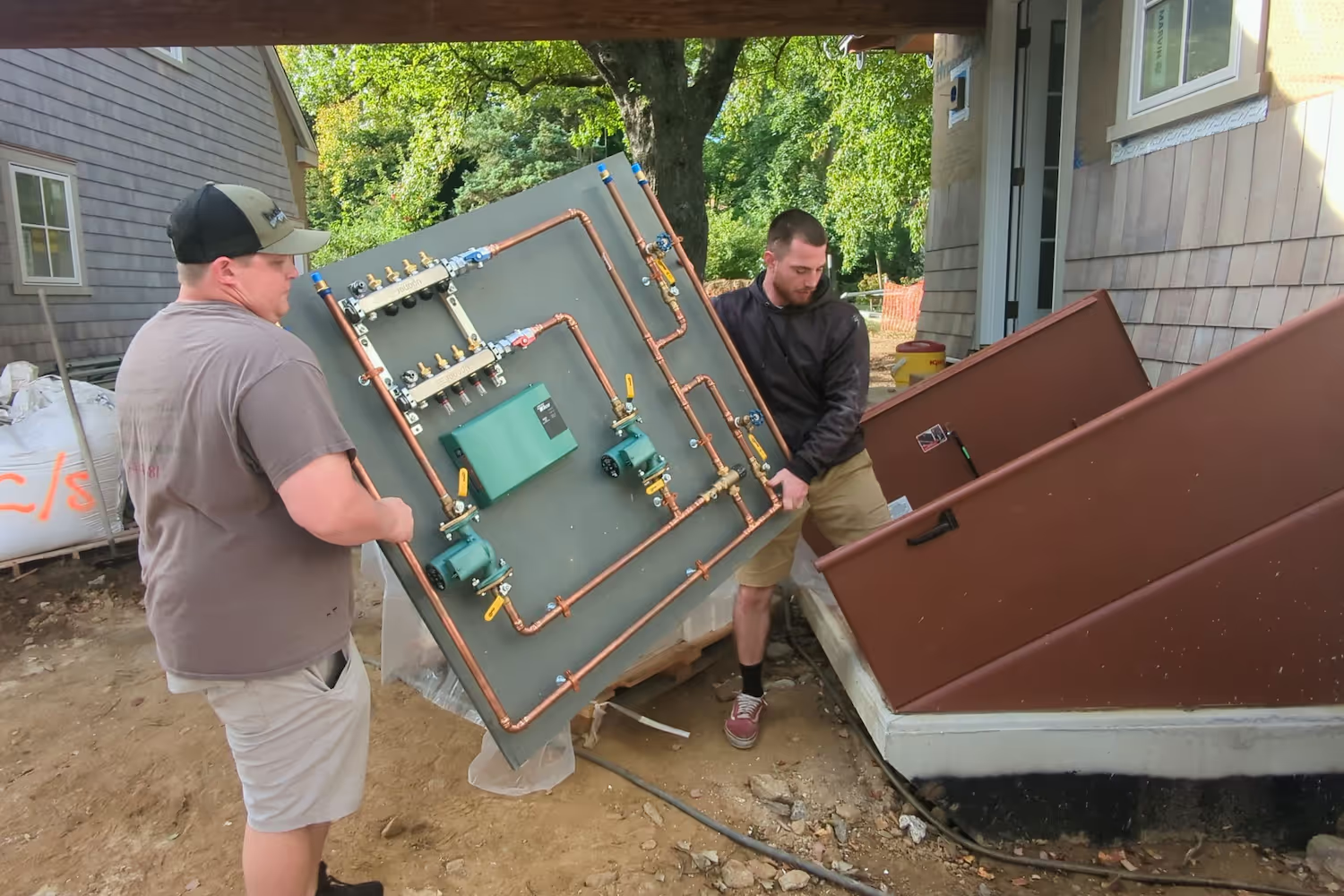
This project involved a comprehensive renovation and addition designed to enhance the functional footprint of a traditional shingle-style residence while significantly upgrading its thermal and mechanical performance. The scope included the construction of a new carriage-house style garage, a connecting breezeway, a complete kitchen and living area remodel, and the installation of a high-efficiency in-floor radiant heating system.
This project was managed using a detailed control estimate, updated monthly, allowing the homeowners to track cost and decisions in real time.




Old character returns through new craftsmanship.
What you're looking at:
Two carpenters shape a delicate curved arch in a new, connecting breezeway, fitting trim beneath exposed rafters. The open rafter tails mirror the rhythm and craftsmanship of the original 1890s house.
Why it matters:
This breezeway acts as a transitional space between volumes of the home. Leaving the rafters exposed preserves the visual language of the original structure, carrying forward the depth, shadow lines, and craftsmanship that defines this historic home.


The island begins to anchor the entire room.
What you're looking at:
At the center of the newly expanded kitchen, a soapstone island countertop is being fitted while surrounding cabinetry and floors are carefully protected. Blue tape lines across the drywall ceiling mark the layout for future exposed beams.
Why it matters:
The countertop installation is one of the last heavy operations as finish work tightens up. Adjacent surfaces are protected to prevent damage to the other newly installed items. Meanwhile the taped ceiling layout allows everyone to confirm beam spacing, sightlines, and lighting coordination before the beam installation begins.
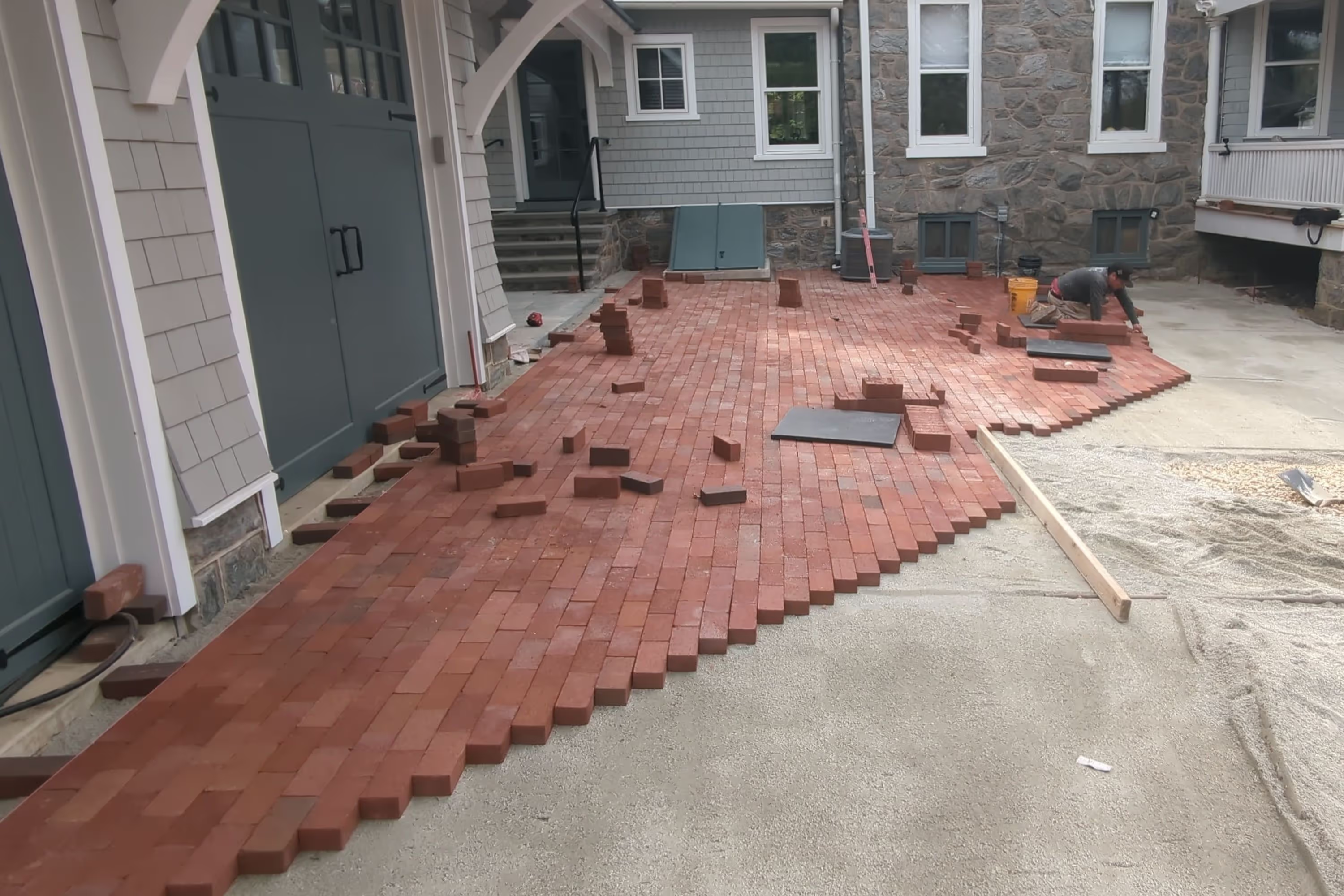
The driveway grows outward as if it had always been there.
What you're looking at:
A field of natural brick driveway pavers is being laid in a tight, even rhythm, with a subtle flare at the shingle base and new stone veneer at the garage and addition carefully matched to the original house.
Why it matters:
That steady brick coursing gives the driveway its calm, ordered geometry. The flared shingle base creates a clean, intentional transition where wall and paving meet. Matching the new stone veneer to the existing masonry helps the addition read as part of the original structure, preserving continuity in scale and texture.
Before and after
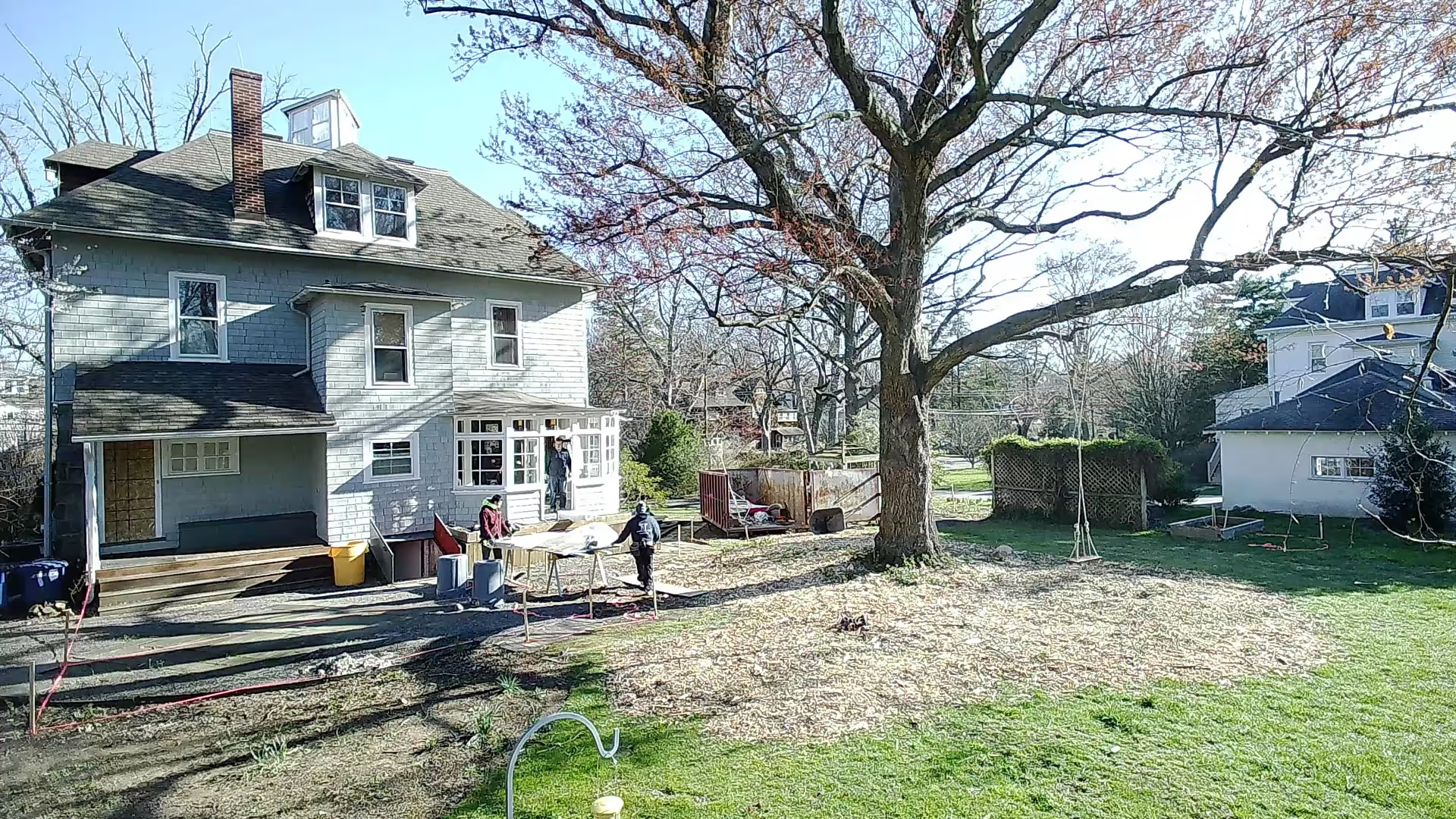
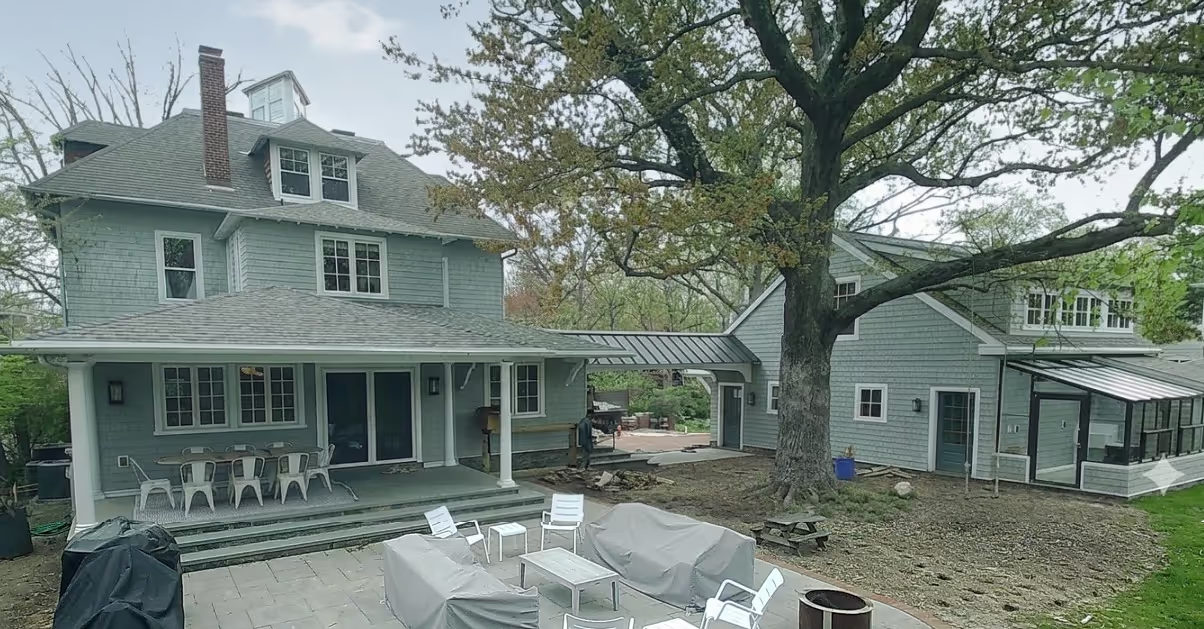
Watch an 1890s shingle-style residence evolve through this comprehensive timelapse, focusing on the rear of the property as we integrate modern performance with historic soul.
Gallery Collection
View Construction Archive



Video Series