
Fernside Cottage
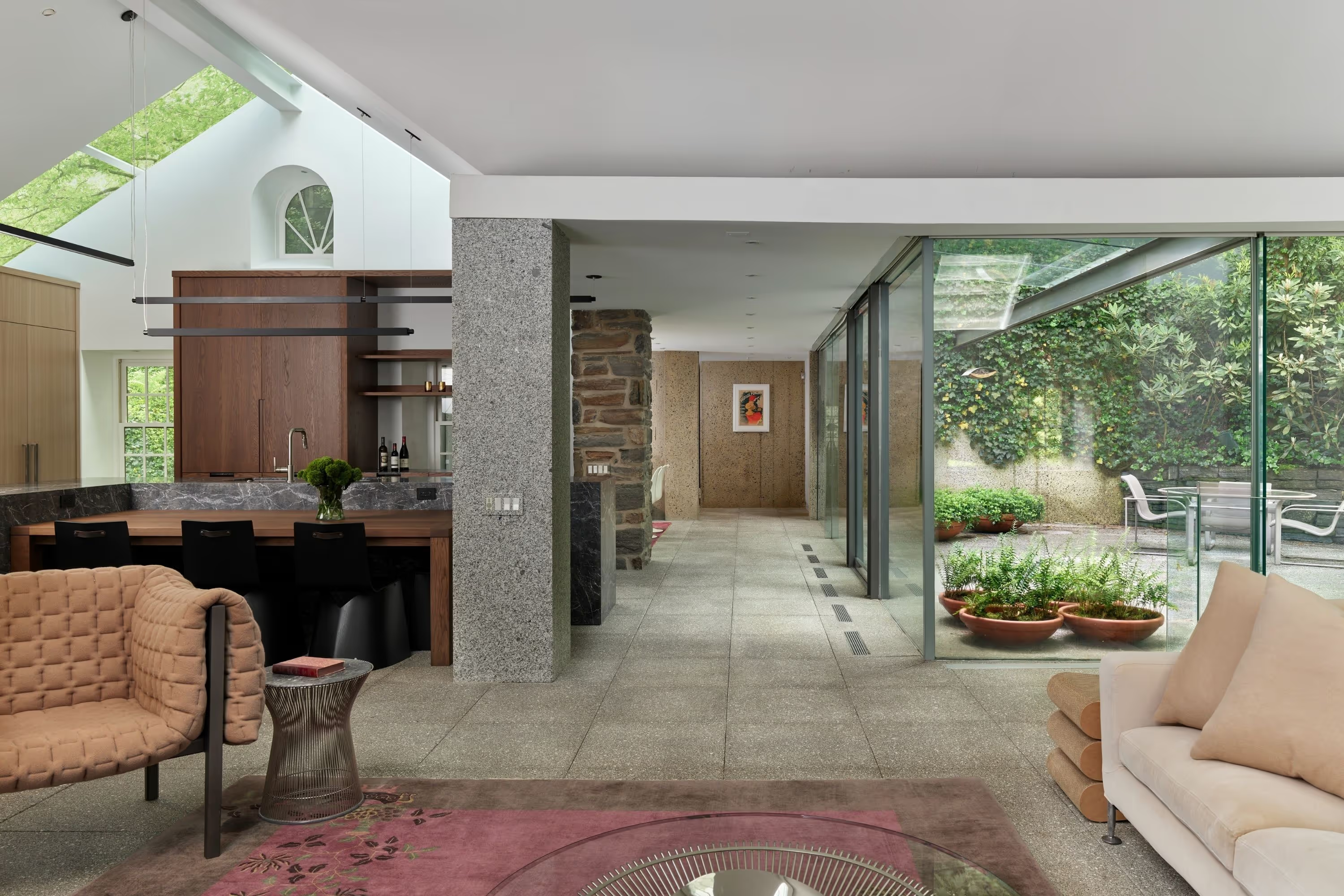
A 200-Year Evolution of Light, Stone, and Spatial Logic
At Clarity Building Group, we thrive on projects where history isn’t just a backdrop, but an active participant. Fernside Cottage in Gladwyne is a masterclass in this philosophy, a home that has evolved from a 19th-century industrial relic into a modern architectural landmark.
The Legacy: From Mill to Colony
The story begins in 1835 with a humble stone cottage built for mill workers. By 1910, it became the personal sanctuary of Dr. DeWitt Ludlum, the psychologist behind the historic Gladwyne Colony. For over half a century, the home was a cornerstone of that healing community, grounded in the belief that environment directly impacts well-being.
The Architectural Shift: Vancouver to Gladwyne
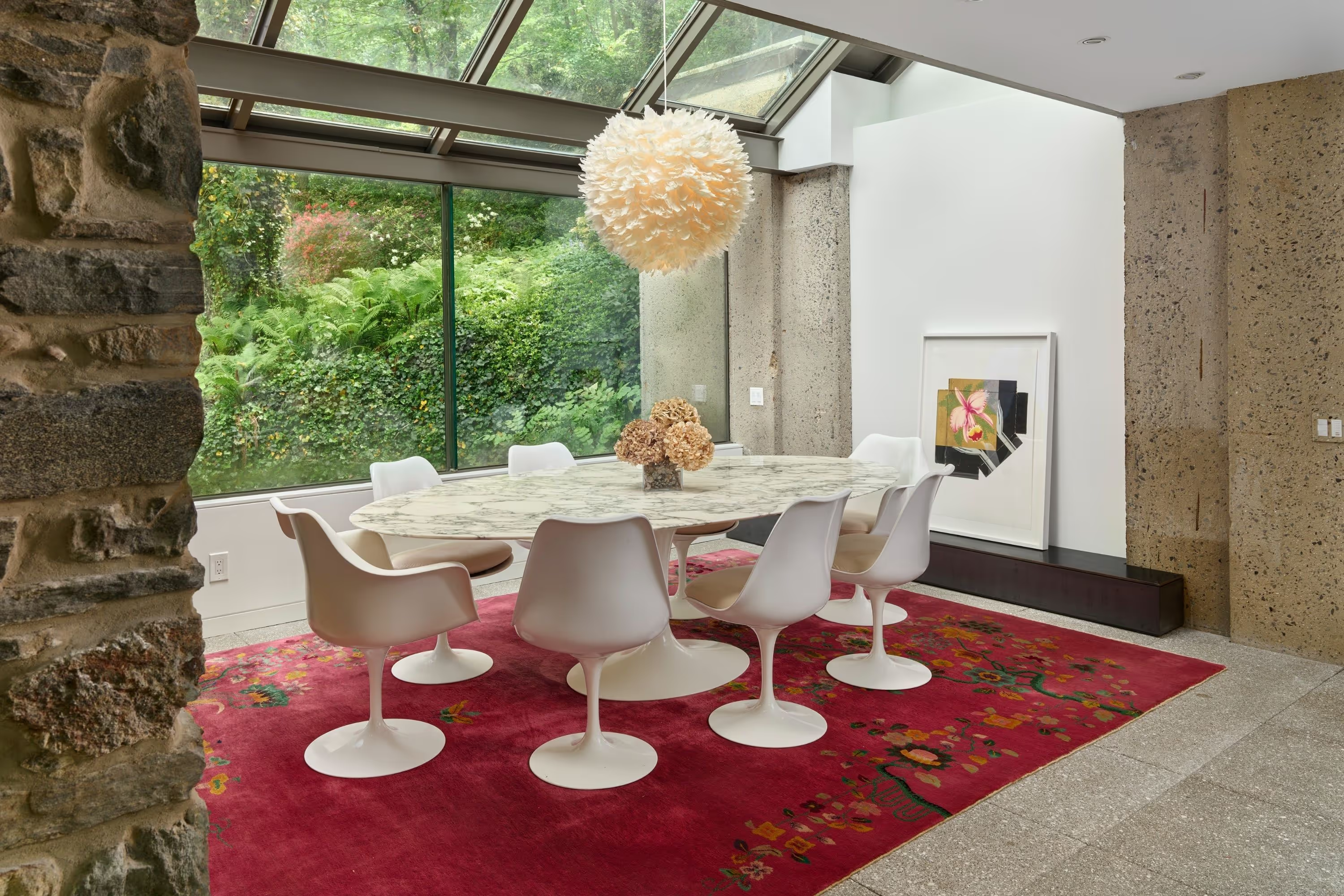
In the 1990s, the residence underwent a radical transformation led by renowned Vancouver architect Daniel Evans White. A pioneer of West Coast Modernism, White introduced a daring juxtaposition: massive planes of glass and steel set against the original Pennsylvania fieldstone. His work "turned the house outward," flooding the historic shell with natural light and tree-canopy views.
The 2023 Transformation: The MaMo Inversion
While the 1990s addition provided the "wow" factor, the home’s layout remained a puzzle for modern living. In 2023, Clarity was brought in to execute a bold new vision designed by Matthew Moger and the talented team at MAMO Architects.
The core of this project was a spatial inversion. The MAMO team recognized that the original kitchen was tucked away, while the dining area occupied the most dramatic, vaulted portion of the addition. The design solution? Swap them.
- The MAMO Vision: Matthew Moger’s design re-centered the "heart of the home" into the light-filled addition, creating a seamless flow between prep, dining, and the landscape.
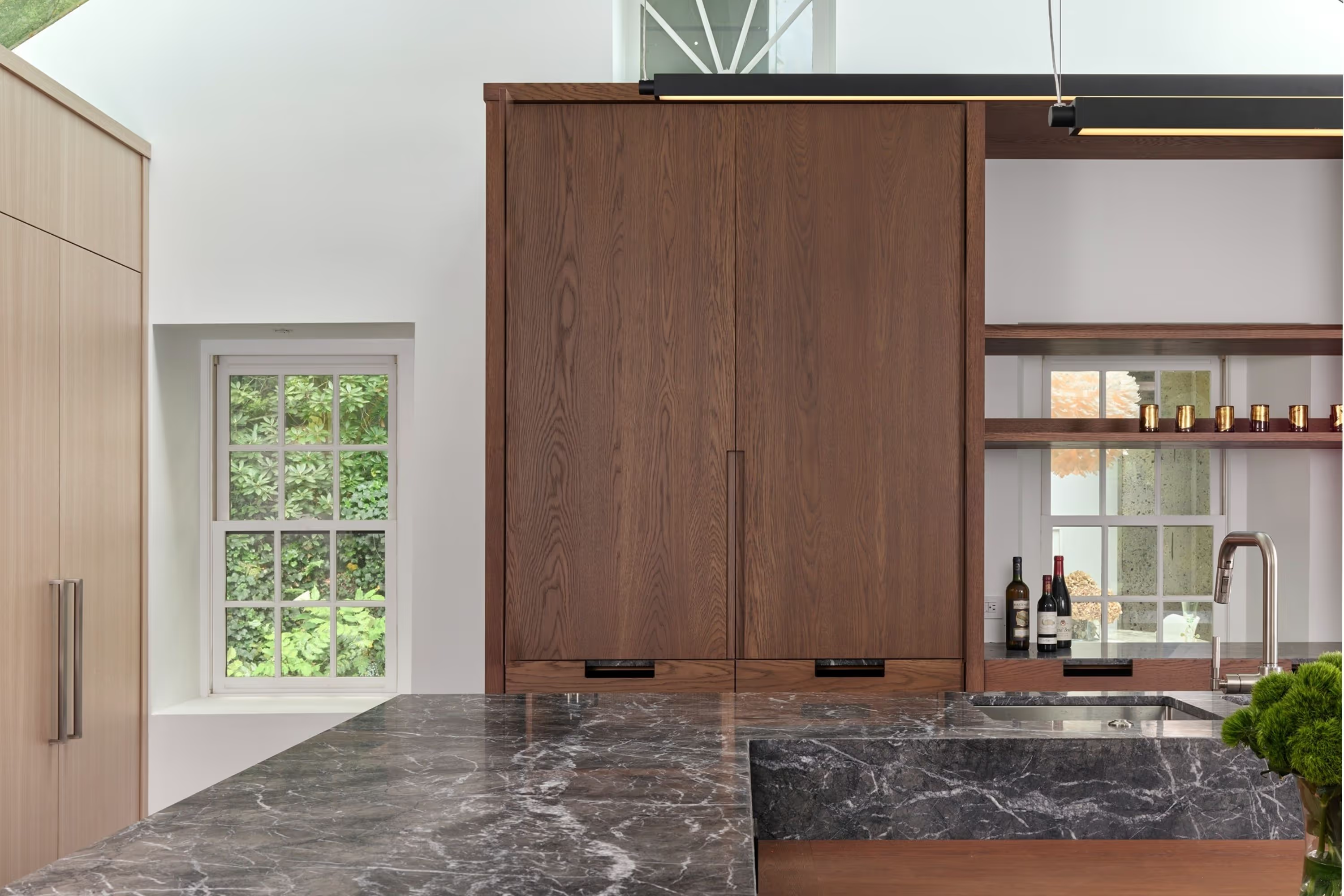
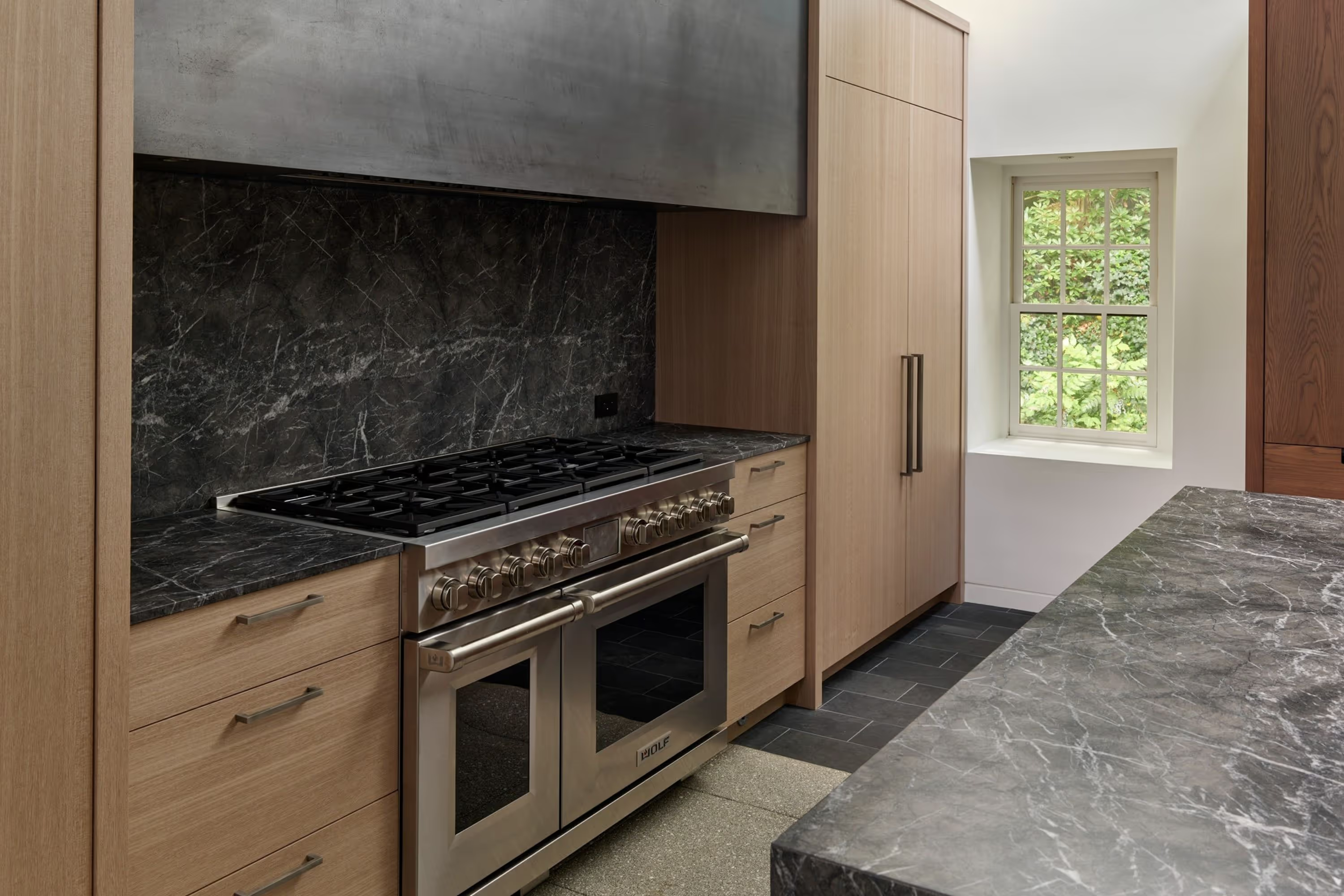
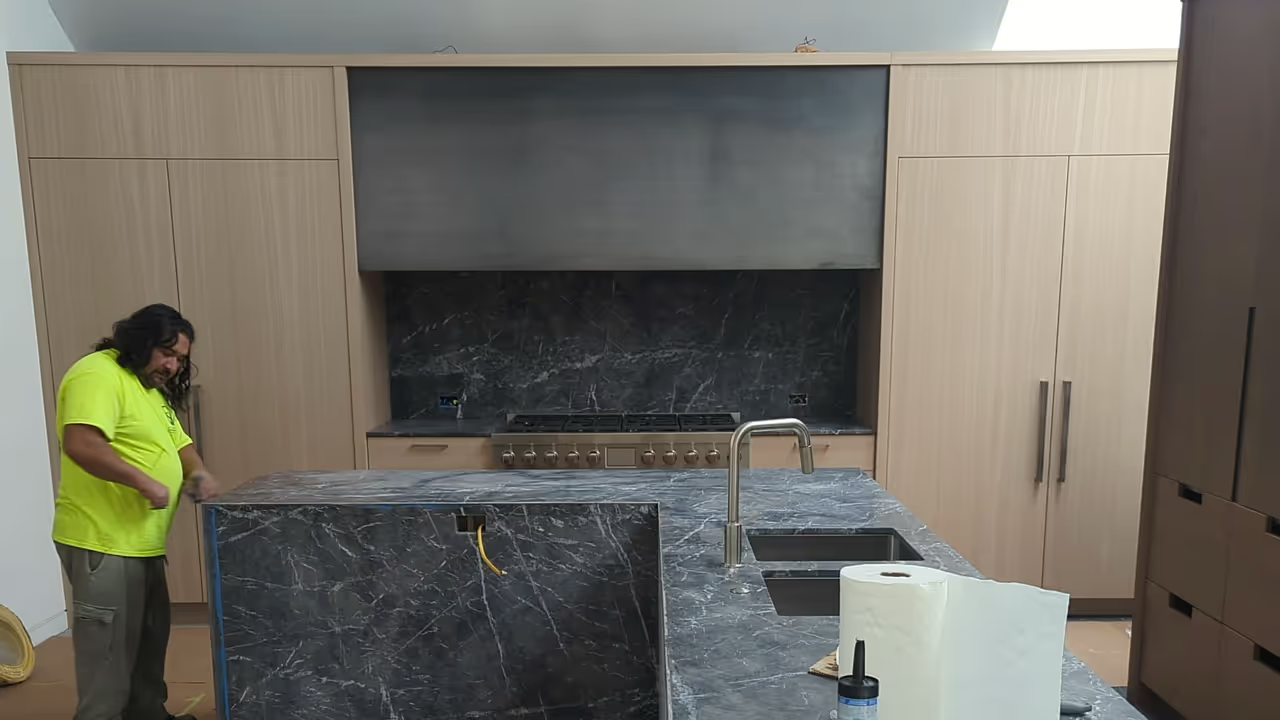
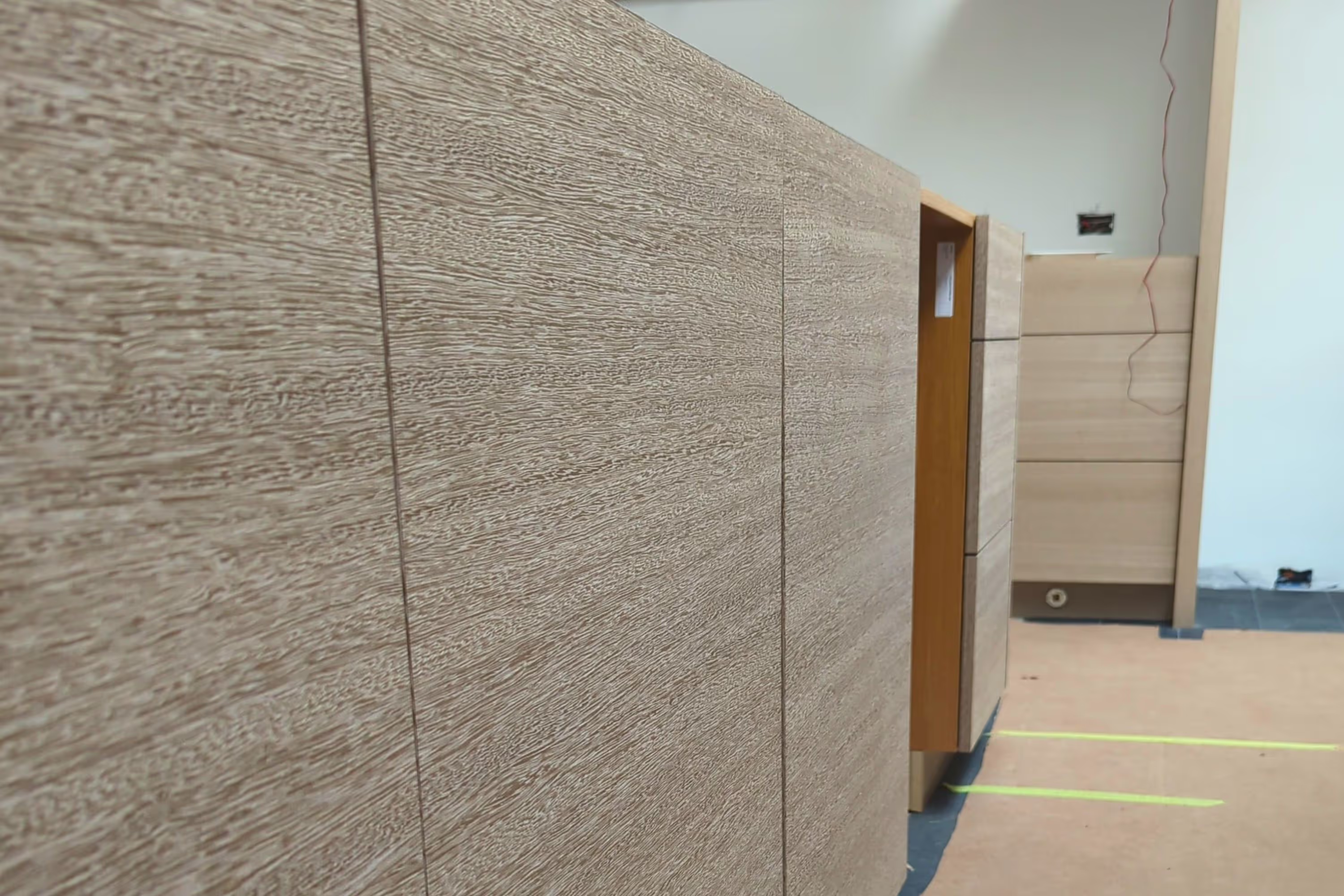
- The Clarity Execution: We anchored the new kitchen with a monolithic, waterfall-edge marble island, a heavy, contemporary echo of the 1835 stone walls. We paired this with precision rift-sawn oak cabinetry and minimalist linear lighting to maintain the home's sophisticated, airy feel.
The result is a residence that finally feels cohesive. It honors the mill worker’s origins and the architect’s modernism, all while providing a functional masterpiece for the current owners.






Steel makes the transition from balcony to kitchen possible.
What you're looking at:
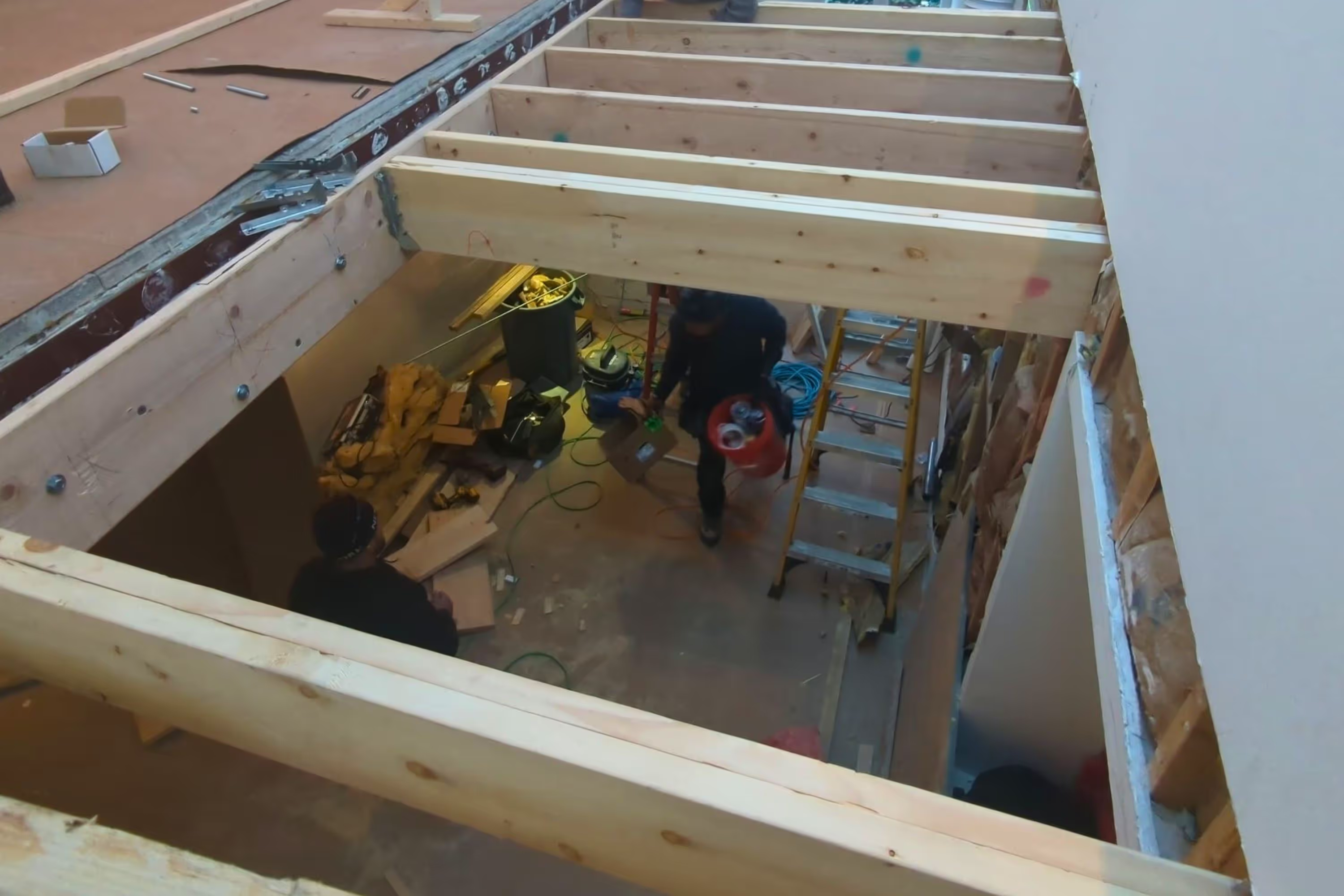
Two crew members guide a heavy structural steel beam into place inside a former balcony opening, where new framing will infill the void
Why it matters:
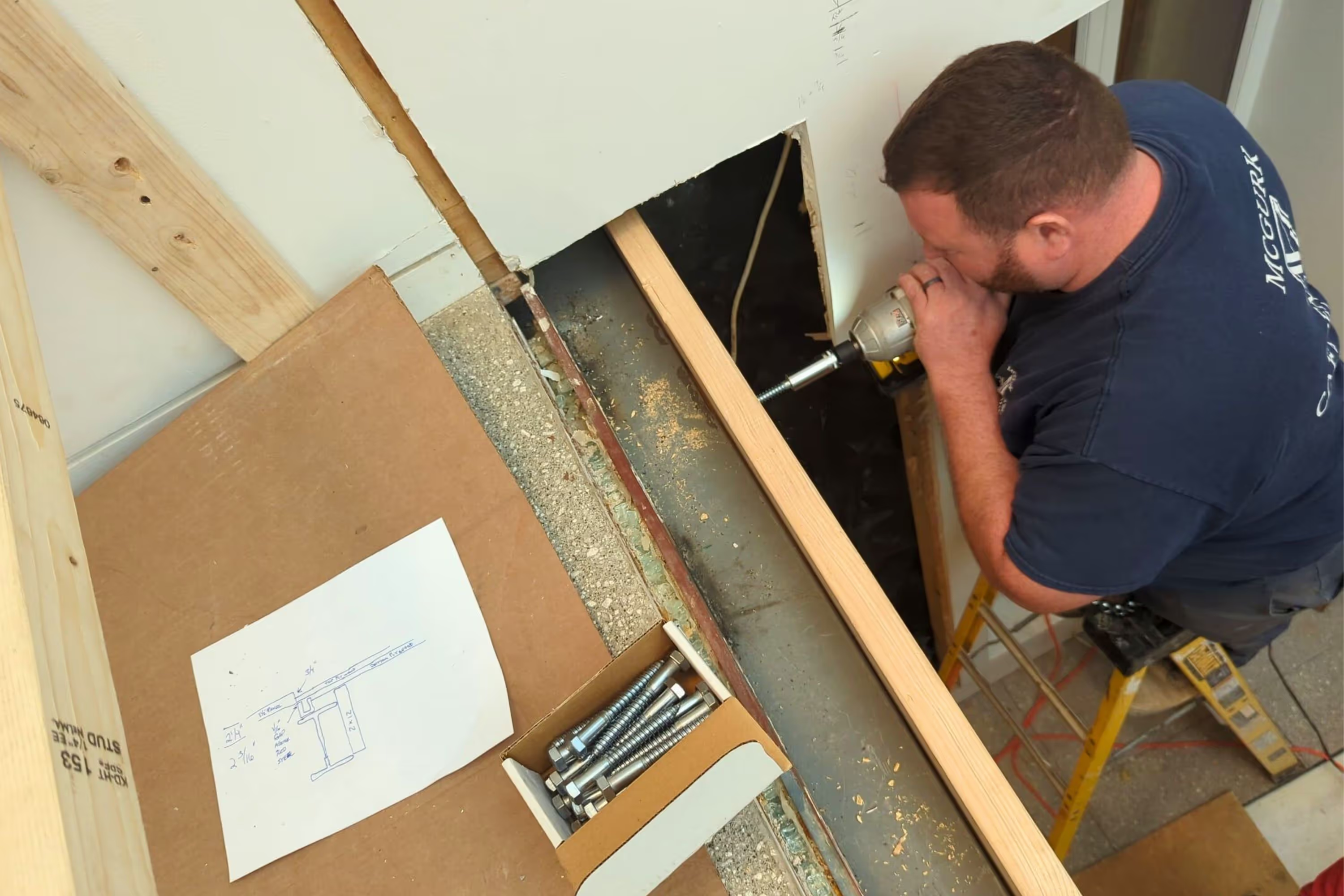
Installing steel here allows the former exterior balcony opening to become usable interior floor area for the kitchen. Because the surrounding structure already carries concrete slabs, the infill framing must be stiff enough to match that performance and prevent deflection under the weight of an oversized island and stone waterfall countertops. The steel beam and connection points distribute loads back into the existing foundation structure rather than relying on a tie-in with the existing concrete floor

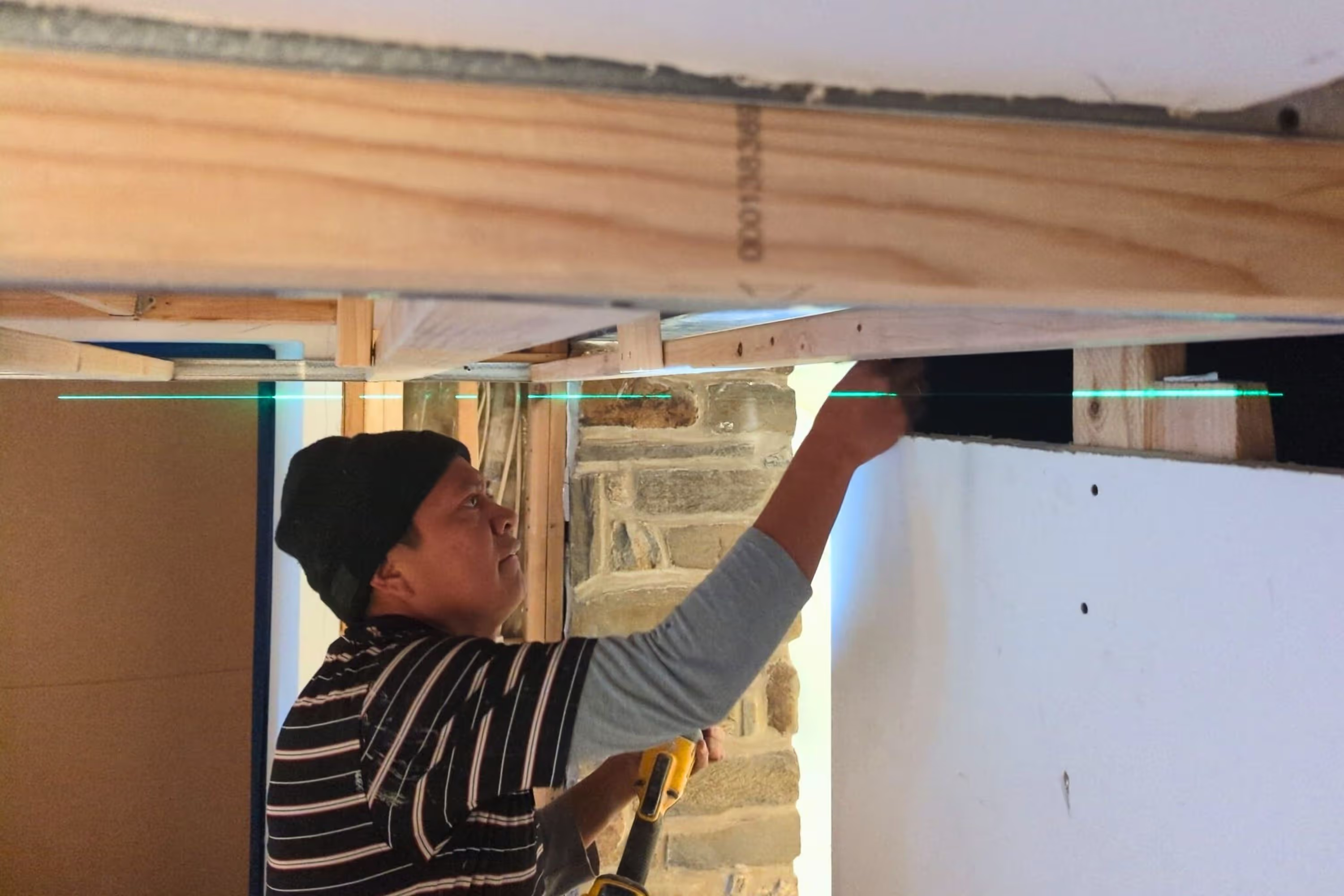
The finish only looks effortless when the framing is exact
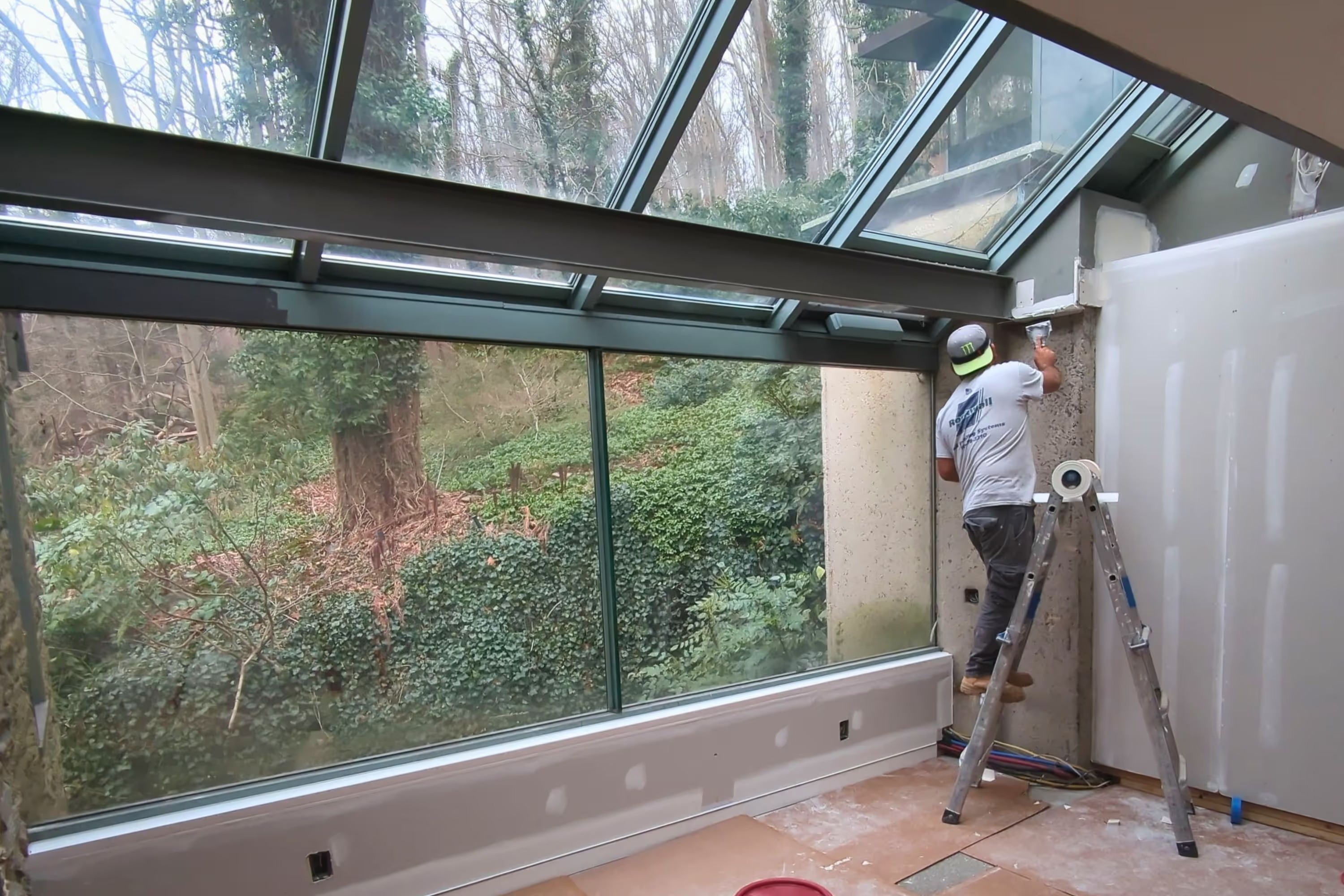
What you're looking at:
A carpenter is fine-tuning interior framing beneath a ceiling plane, using a laser line to verify level and alignment before the surrounding wall and finish materials fully close the assembly.
Why it matters:
This is the stage where small corrections still have a large payoff. Getting framing straight, level, and in plane now gives drywall, trim, cabinetry, and millwork a reliable substrate, which reduces visible tapering, uneven reveals, and field-built compensation later. Good finish work usually starts with disciplined rough framing, not with trying to hide irregularities at the end.
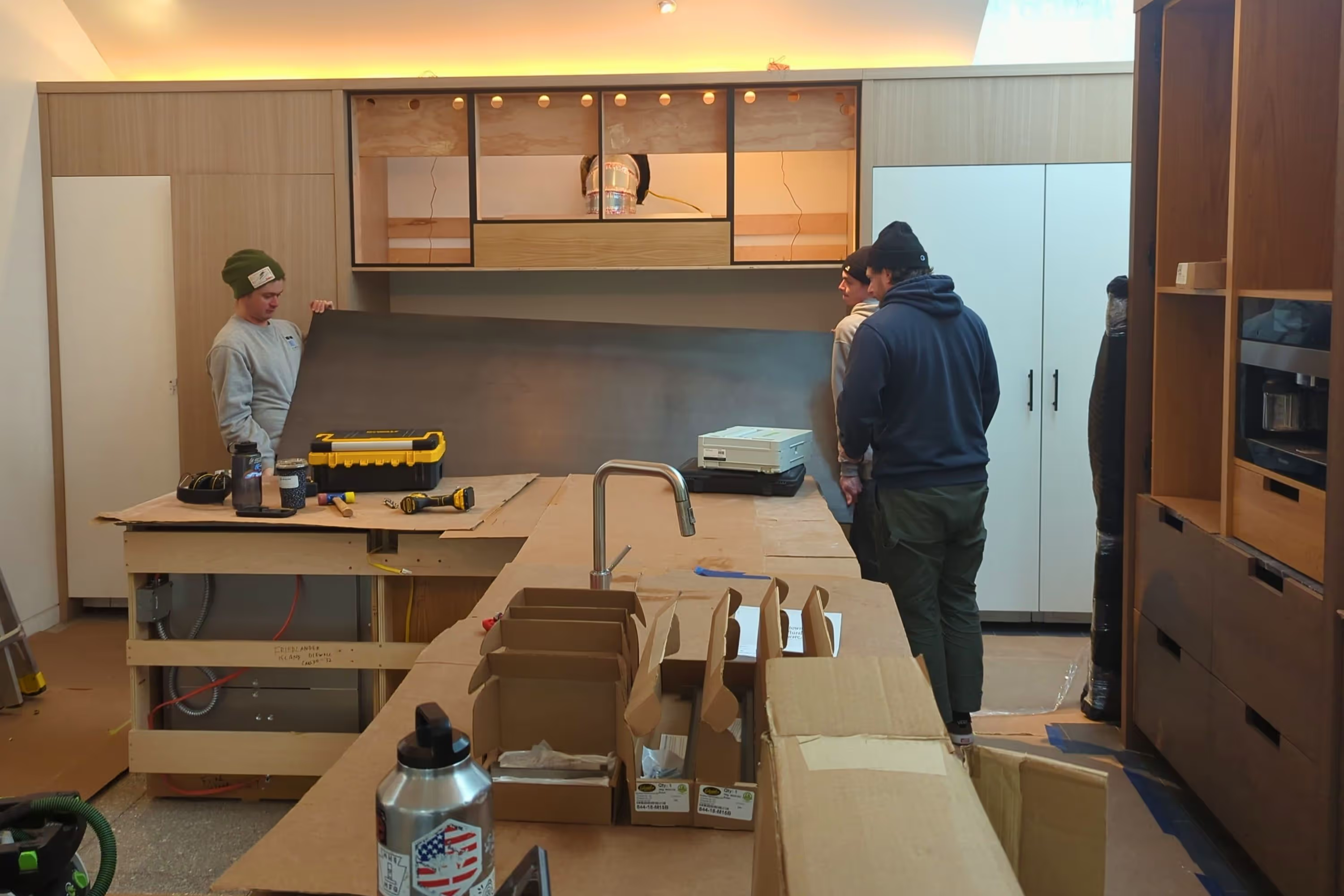
The wall begins to gain its center of gravity
What you're looking at:
Installers are carefully lifting a long blackened steel range hood valance into position between rift-sawn white oak cabinetry, aligning the metal element beneath the upper cabinet while surrounding millwork, integrated appliance panels, and island cabinetry remain protected during installation.
Why it matters:
This valance was fabricated with a subtle textured finish so the blackened steel carries depth rather than reading as a flat surface under kitchen lighting. Pieces like this are fully coordinated during the shop drawing phase to establish exact clearances with cabinetry and ventilation equipment. Careful handling and alignment during installation ensures the metal sits cleanly within the wood framework while protecting the finish and maintaining precise reveals.
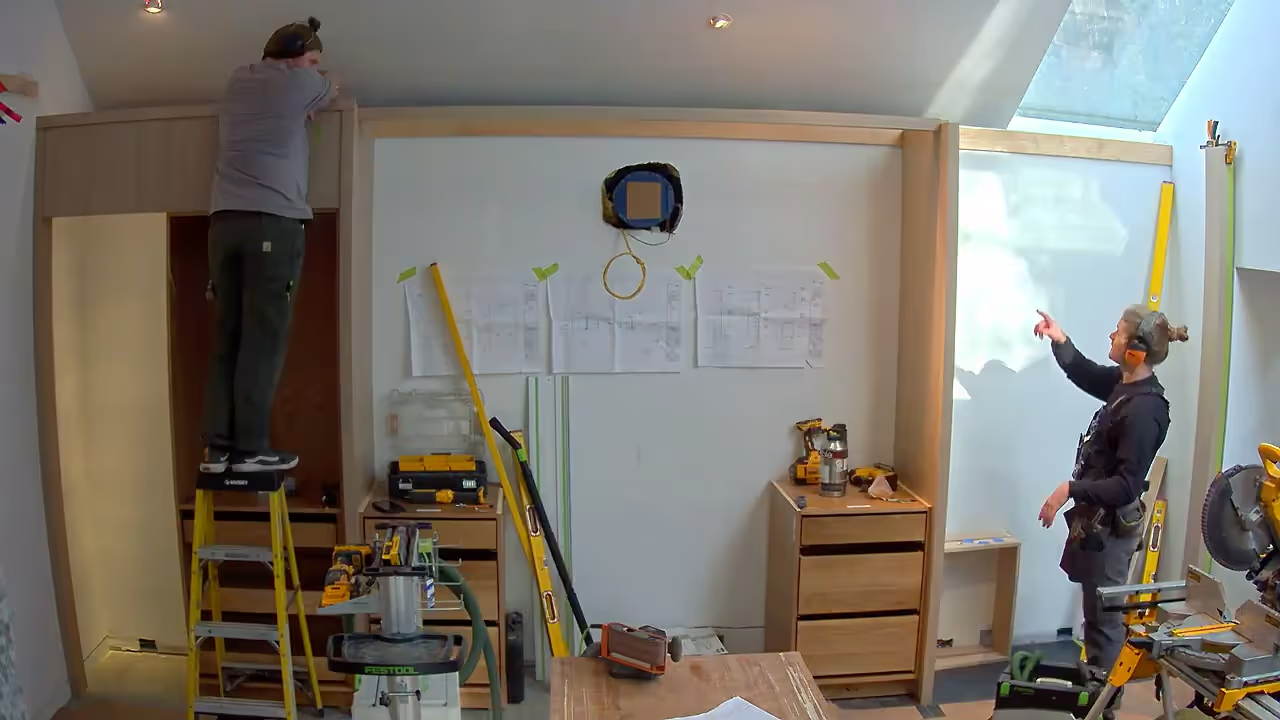
Before and after
Gallery Collection
View Construction Archive


Video Series